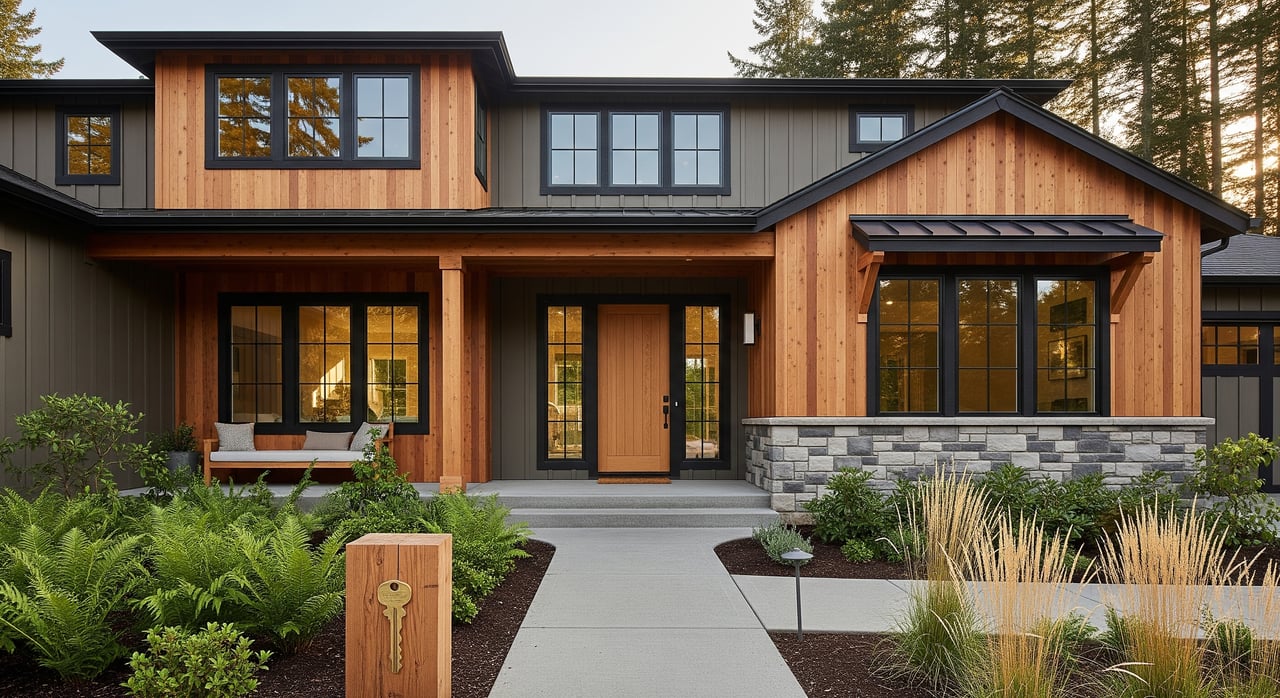
Picking a floor plan is exciting. Waiting on permits, inspections, and builder timelines is less fun. If you are eyeing a new home in Sherwood, you want a clear path from the moment you sign to the day you get the keys. In this guide, you will learn the steps, timeline, costs, risks, and local resources that shape new construction in Sherwood so you can move forward with confidence. Let’s dive in.
Sherwood new-build landscape
Sherwood sits in Washington County within the Portland metro area. New-construction activity here depends on regional demand, available land, zoning and annexation, and infrastructure like roads, sewer, and water. City and county approvals can shape a builder’s schedule, and the complexity of site plan reviews and permits can add time.
Builders in metro suburbs range from national production companies to regional and local custom firms. Product types include townhomes, single-family homes on small lots, and full subdivisions. Each option comes with different contract terms, HOA rules, timelines, and finish levels.
If your lot is inside city limits, you will interact with the City of Sherwood’s Development Services for permits and inspections. If it is in an unincorporated area, Washington County handles it. Impact fees and system development charges may apply and can affect your total cost. State building codes set construction standards, and energy efficiency and wildfire-resilience requirements may be relevant depending on location and home type.
From contract to keys
Pre-contract and lot selection
- Verify what comes with the lot. Review the recorded plat, easements, setbacks, and any view or tree requirements. Ask for site maps and topography.
- Check builder reputation. Confirm active licensing and complaint history with the Oregon Construction Contractors Board. Ask to see recent projects and references.
- Secure pre-approval. Choose a lender comfortable with new construction timelines, staged appraisals, and, if needed, construction-to-permanent financing.
Contracting
- Know the contract form. Builders often use their own purchase agreements or pre-sale contracts. These address allowances, change orders, timelines, and closing triggers.
- Lock in essentials. Make sure your agreement clearly lists price, what is included or excluded, deposit schedule, selection allowances, and who pays for overages.
- Build in protections. Seek contingencies for financing and appraisal, and understand remedies for delays. Confirm your right to independent inspections and site access.
- Get a pro review. Have your agent or an attorney familiar with new construction review deposit terms, delay clauses, change-order authority, and warranty provisions.
Design selections and upgrades
- Track deadlines. Builders set early selection windows for cabinets, flooring, counters, tile, and fixtures. Miss a deadline and you may default to base options or face delays.
- Understand allowances. If your selections exceed allowances, you pay the difference. Get every choice documented in writing, including pricing and when payments are due.
- Manage change orders. Mid-course changes affect cost and time. Ask how each change impacts the schedule and keep a running tally of costs.
Construction phase
- Expect staged visibility. You will see progress at foundation, framing, mechanical rough-ins, insulation, drywall, and finishes. Many builders schedule walkthroughs at milestones.
- Inspections happen in layers. City or county officials inspect for code compliance. There may be energy code testing. You can also hire your own inspector for periodic checks.
- Timelines vary. Production homes can close in a few months once underway. Custom builds can take 9 to 18 months or more. Weather, supply chain, labor, and change orders can extend schedules.
Pre-close, punch list, and final inspections
- Do a detailed walkthrough. Create a punch list of incomplete or deficient items. The builder typically addresses these within a stated period.
- Confirm occupancy approval. In many cases, a Certificate of Occupancy is required before closing. Make sure it is in place or that any temporary occupancy is documented in the contract.
- Get a final inspection. Hire your own inspector near completion for a thorough review. Use the report to finalize the punch list.
Closing and move-in
- Review your closing package. You will sign the deed, loan documents, and settlement statements. You should receive warranty materials and HOA documents if applicable.
- Transfer utilities. Coordinate meter activation and account set-up with providers. Confirm who initiates service and when charges start.
- Collect the keys. Builders typically hand over keys after closing and once occupancy is authorized. Some communities allow temporary occupancy if the contract allows.
Post-close warranties and service
- Know what is covered. Many builders offer tiered warranties, such as one year for workmanship, two years for systems, and ten years for structure. Read the warranty packet closely.
- Report issues in writing. Document defects with dates and photos. Follow the builder’s warranty process and keep a record of communications.
- Think ahead to resale. Know the HOA covenants, remaining build-out in the community, and any disclosures tied to new construction.
Financing and costs
Common financing paths
- Conventional mortgage. Often used for spec homes or finished properties after the builder receives occupancy.
- Construction-to-permanent. A single loan that funds construction in draws and converts to a mortgage at completion. You typically pay interest during construction.
- Separate construction loan then refinance. You use a temporary construction loan and switch to permanent financing at completion.
- VA and FHA options. These programs exist for new construction but come with specific appraisal and inspection requirements.
Key money items to budget
- Earnest money and deposits. Know when funds become nonrefundable and what triggers those changes.
- Upgrade costs and allowances. Track selections carefully and plan for overages above the base package.
- Lot premiums and impact fees. Local system development charges may be part of the final cost depending on your contract.
- Utility connections. Budget for meter installs and sewer or water connection charges.
- Property taxes. New builds can have unique timing for assessed values in the first tax cycle. Ask the county for estimates and timing.
- HOA fees. Many new subdivisions have monthly or quarterly dues and community guidelines. Review the CCRs and fee schedule.
Appraisals, escrows, and protections
- Appraisal gaps happen. New homes with unique finishes or limited comparable sales may appraise conservatively. Protect yourself with an appraisal contingency if possible.
- Draw schedules. If you use construction-to-permanent financing, your lender will release funds in stages after inspections or third-party verification.
- Escrow holdbacks. If minor items are incomplete at closing, an escrow holdback can sometimes protect you until the punch list is finished.
Control risks and protect your budget
- Work with an experienced buyer’s agent or attorney. New-construction contracts are different. You want someone who understands allowances, timelines, and warranties.
- Put everything in writing. Get inclusions, selections, and change orders documented and signed. Keep a log of communications and approvals.
- Hire an independent inspector. Schedule inspections at key stages and a full pre-close inspection. Builder walkthroughs are not a substitute.
- Build a contingency reserve. Set aside funds for selection overages, unexpected fees, and temporary housing if there is a delay.
- Confirm warranty details. Know the claim process, response timelines, and how disputes are handled.
- Understand deposit protections. Clarify who holds your funds in escrow and under what conditions they are refundable.
Local resources to use
- City of Sherwood Development Services. Check permits, inspections, and system development charges for homes inside city limits. For general information, visit the City of Sherwood website.
- Washington County Planning and Building. If your lot is in an unincorporated area, this department manages permitting and code compliance.
- Oregon Construction Contractors Board. Verify your builder’s license and review complaint history using the state’s contractor search.
- Oregon Building Codes Division. Review statewide code standards, inspections, and energy requirements.
- Washington County Assessor. Get property tax assessment and timing information for new construction.
- Sherwood School District. If school boundaries factor into your plans, confirm current attendance zones and enrollment procedures.
Helpful links:
- Explore city permits and development services on the City of Sherwood website.
- Verify licensing with the Oregon Construction Contractors Board.
- Review building code standards via the Oregon Building Codes Division.
- Learn about county processes on the Washington County website.
- Check assessments with the Washington County Assessment and Taxation office.
- See district information at the Sherwood School District.
Practical buyer checklist
Before contract:
- Confirm lot specifics, including plat, easements, setbacks, and any floodplain considerations.
- Check builder license and complaint history with the CCB.
- Obtain a mortgage pre-approval that fits new-construction timelines.
- Request a sample contract, warranty packet, and full specifications for your floor plan.
At contract:
- Have your agent or attorney review deposit schedules and completion provisions.
- Make sure financing and appraisal contingencies are in writing.
- Get a written list of included items and selection allowances.
During selections:
- Track every deadline and save all selection sheets and invoices.
- Confirm who pays for overages and when those funds are due.
During construction:
- Schedule independent inspections for foundation, framing or pre-drywall, and final.
- Keep a communications log with dates and written approvals for change orders.
Pre-closing:
- Complete a final independent inspection and create a punch list.
- Confirm the Certificate of Occupancy or any temporary occupancy agreement.
- Review the closing statement for fees, impact charges, and credits.
After closing:
- Submit warranty claims in writing with photos and dates. Keep copies.
- Save all build documents, manuals, and warranties for future resale.
Timeline overview
New-construction timelines in Sherwood depend on builder type, permitting, and weather. Production homes sometimes close within a few months once a build is underway, while custom builds often take 9 to 18 months or longer. Permit processing, supply chain constraints, labor availability, and change orders can extend schedules. Plan for flexibility, and set realistic move-in dates with backup housing options if needed.
Ready to map your path from contract to keys? If you want a clear plan, disciplined negotiation, and hands-on support at every step, reach out to Chandler Willcuts. You will get a white-glove experience and local expertise tailored to your build and budget.
FAQs
What makes Sherwood new construction unique?
- City and county approvals, local impact fees, and infrastructure capacity shape builder timelines and costs, so your schedule and budget should account for permitting and inspections.
How do I protect my deposit on a new build?
- Include financing and appraisal contingencies, clarify when deposits become nonrefundable, and confirm who holds funds in escrow and under what refund conditions.
When do I choose finishes and upgrades?
- Builders set early selection windows, often within weeks of signing. Track deadlines closely or you may default to base options or risk delays.
Should I hire my own inspector if the city inspects?
- Yes. City or county inspections check code compliance, but an independent inspector provides a detailed quality review and a stronger punch list before closing.
What if the appraisal comes in low on my new home?
- Use an appraisal contingency if possible. Options include renegotiating price, paying the difference, or adjusting your down payment with your lender’s approval.
Can I move in before final completion?
- Some contracts allow temporary occupancy with conditions. Make sure any early occupancy agreement is in writing and consistent with local requirements.