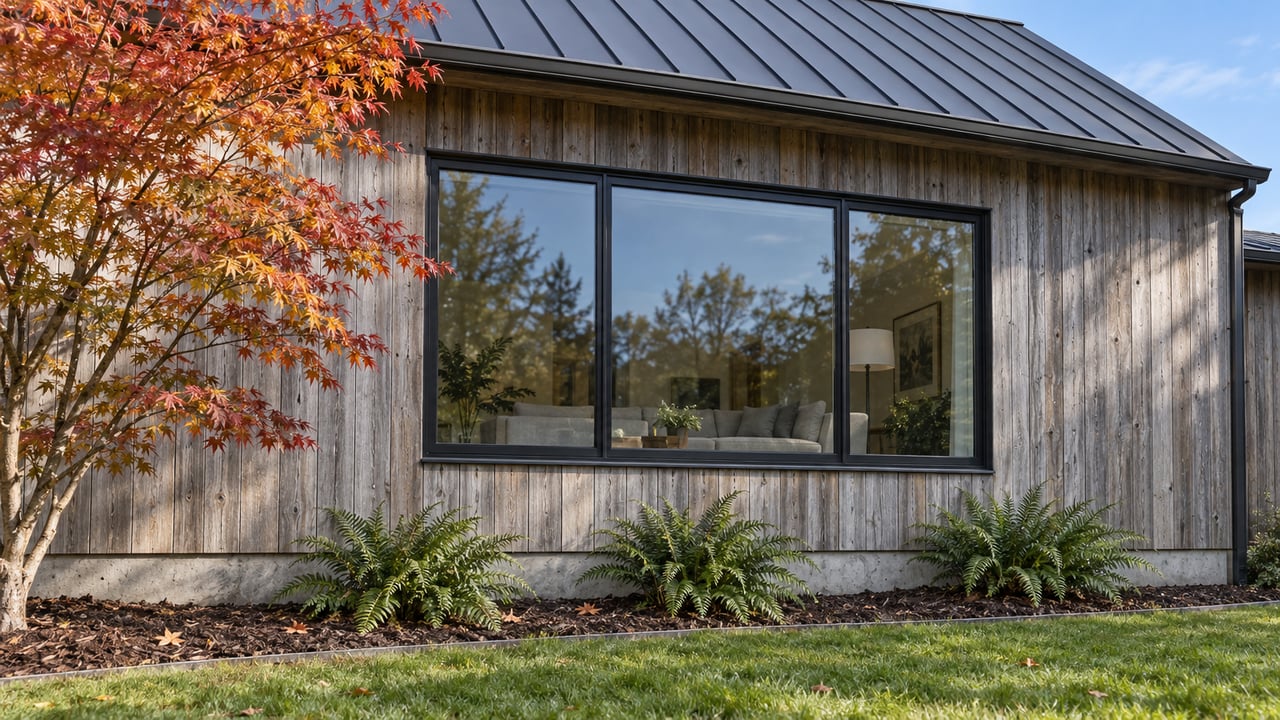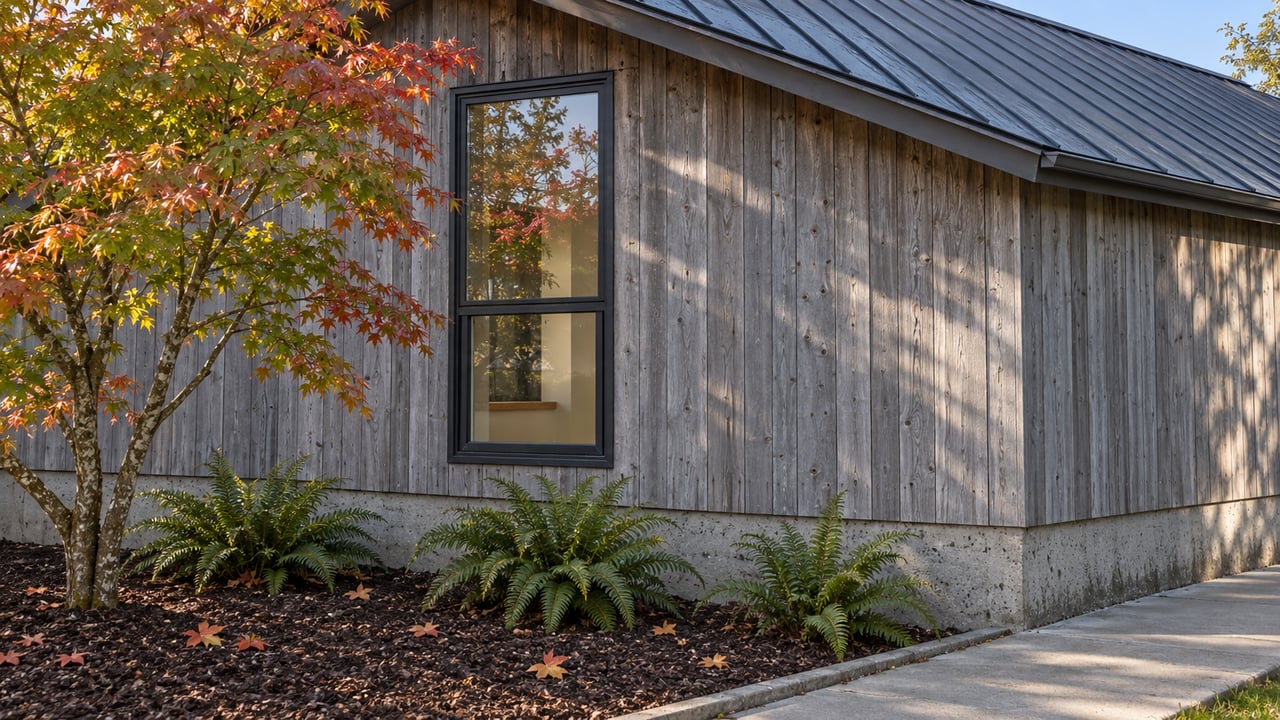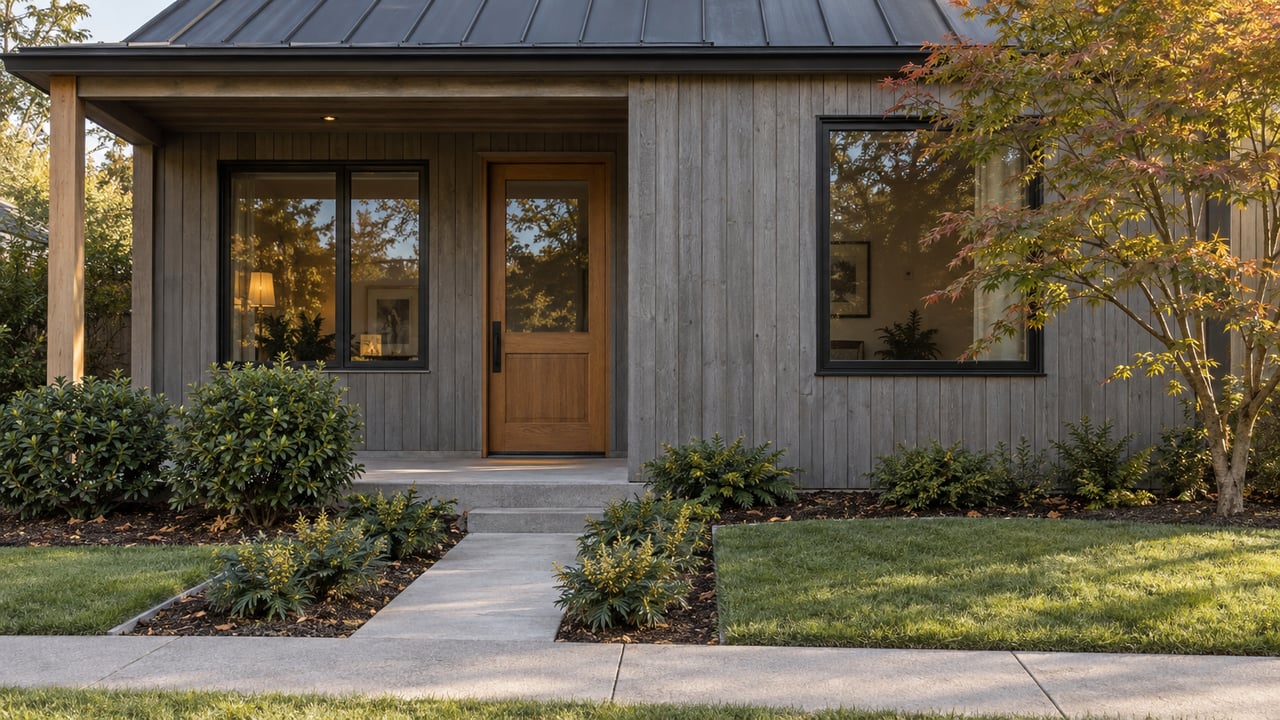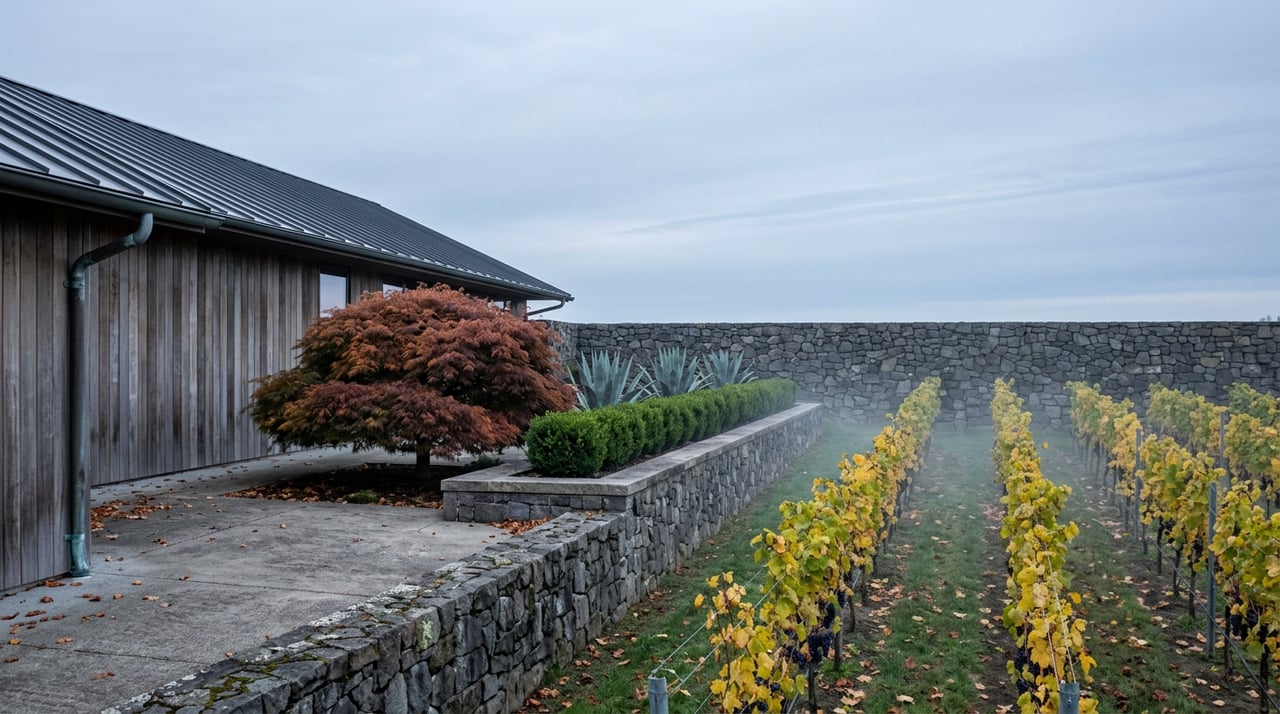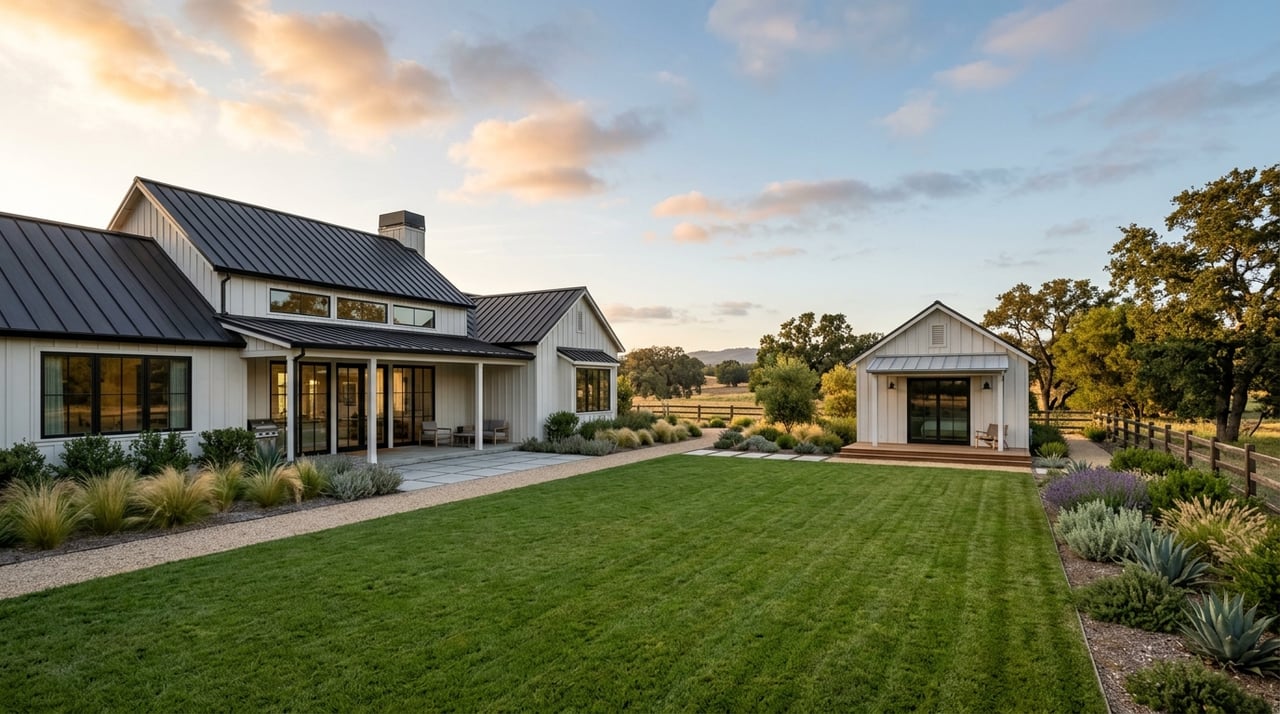
If you want more breathing room without feeling cut off from everyday convenience, Sherwood’s edge-of-town areas deserve a closer look. This part of the market appeals to buyers who want a different setting than a typical interior subdivision, but who still care about access, services, and long-term value. In this guide, you’ll get a clear picture of what edge-of-town living means in Sherwood, where the opportunities and tradeoffs are, and what to verify before you make a move. Let’s dive in.
What edge-of-town means in Sherwood
Sherwood is a compact city in the Tualatin Valley, about 15 miles southwest of Portland, with a 2025 estimated population of 20,535 and land area of 4.83 square miles. Because the city is relatively small, the transition from established neighborhoods to more open surroundings can happen quickly. That is a big part of why edge-of-town living feels distinct here.
In Sherwood, “edge-of-town” is not just a casual phrase about being on the outskirts. It is closely tied to Oregon’s urban growth boundary system, which separates urban development areas from farm and forest land that is generally protected from urban expansion. That means the edge often functions as a true transition zone between city living and resource land.
This planning framework shapes what you see, what may be built nearby, and how a property functions over time. It also means two homes that feel similar at first glance can have very different zoning, annexation status, and development potential. If you are shopping in these areas, those details matter.
Why buyers are drawn to Sherwood’s edge
For many buyers, the appeal comes down to balance. You may get a setting that feels more open and less boxed in, while still staying connected to the daily routines that make life easier. That combination is one of Sherwood’s strongest lifestyle advantages.
Sherwood’s comprehensive planning emphasizes preserving forests, farms, parks, and public spaces while managing growth. As a result, edge locations can offer a different experience from denser suburban blocks, with surroundings that shift from streets and homes to reserve areas, open land, and outdoor amenities. It is less about promising acreage and more about understanding the land-use context around you.
The city also has a strong convenience profile. Census QuickFacts show a mean travel time to work of 24.1 minutes for Sherwood residents, which supports the idea that Sherwood works well as a home base for people who want more room without giving up regional access.
Space often means context, not just lot size
One of the biggest misconceptions about edge-of-town living is that it always means large parcels. In Sherwood, that is not a safe assumption. A property can feel more spacious because of what surrounds it, even if the lot itself is not dramatically larger.
That is why it helps to think about space in layers. There is the lot size itself, the placement of neighboring homes, the street pattern, and the land-use designation around the property. In edge areas, the overall feel can come from the transition into open land just as much as the parcel dimensions.
If you are comparing homes, ask a simple question: does this property offer actual usable space, or does it simply borrow a more open feel from nearby land? Both can be appealing, but they are not the same thing. Knowing the difference helps you choose based on your real goals.
Views can be a lifestyle benefit
When buyers picture edge-of-town living, views are often part of the draw. In Sherwood, the most accurate way to think about this is the potential for more open outlooks, not guaranteed permanent vistas. That careful distinction matters in a market shaped by planning boundaries and future growth decisions.
Sherwood’s local identity supports that open, rural-adjacent feel. The city highlights the Tualatin River National Wildlife Refuge in Sherwood and positions itself as a gateway to Wine Country along Highway 99W, just northeast of Newberg. City materials also note local tasting rooms in Old Town and more than 60 wineries around Sherwood, which helps explain why many buyers connect this area with scenic surroundings and a more relaxed pace.
That does not mean every edge property has sweeping views. It does mean the broader setting often feels more connected to open landscapes, trails, and agricultural land than homes deeper inside town. If views are high on your list, verify what exists today and what land-use rules apply nearby.
Access is a major part of the value
Space matters, but access is what makes edge-of-town living practical. Sherwood offers strong regional connections for a city that still feels compact and community-oriented. That is a major reason buyers keep it on their shortlist.
City materials describe easy access to Highway 99W, and ODOT directions to the Sherwood DMV show the city is reached from I-5 Exit 289 via Tualatin-Sherwood Road, or from OR-99W via the same road. That supports the idea that you can enjoy a more open setting without feeling disconnected from the rest of the Portland metro area.
Transit is part of the story too. TriMet’s Line 94-Tigard/Sherwood serves Sherwood and connects riders to the Tigard Transit Center. Sherwood’s 2026 Transportation System Plan update also points to ongoing long-term planning for roads, sidewalks, bike lanes, transit, and other mobility options over the next 20 years.
Sherwood West matters
If you are trying to understand Sherwood’s future edge, Sherwood West is one of the most important planning areas to know. The city describes it as a 1,291-acre regional urban reserve west of the current city limits and adjacent to the urban growth boundary. City materials say the area is intended to support future homes, parks, employment areas, and community amenities.
DLCD’s 2024 notice also states that Metro adopted an ordinance adding about 1,291 acres adjacent to Sherwood to the regional UGB. For buyers, that does not mean every nearby property is about to change right away. It does mean the west side is part of Sherwood’s long-term growth conversation.
This is why edge-of-town living can be so appealing and so important to evaluate carefully. What feels open today may still remain open for quite a while, or it may sit near an area planned for future urban development. The only smart approach is parcel-specific due diligence.
Three property situations to understand
Before you fall in love with an edge location, it helps to know which of these three situations you are dealing with. In Sherwood, that distinction can shape everything from allowed uses to future utility access and development expectations.
Inside the city limits
Properties inside the city are subject to city zoning and development standards. If you are considering one of these homes, you should still confirm the zoning and review lot dimensions and setback standards, but the framework is generally more straightforward.
Inside the UGB but not annexed
Some properties may be inside the urban growth boundary but not yet annexed into Sherwood. The city’s land-use guidance notes that annexation is a formal process for property inside the UGB. That can affect how a property is served and what future changes may be possible.
Outside the UGB
Land outside the urban growth boundary is generally protected for farm and forest uses rather than urban development. That can create the open setting many buyers want, but it also changes what you should assume about flexibility, utilities, and long-term development options.
What to verify before you buy
Edge-of-town homes can be excellent fits, but they reward buyers who look beyond the listing photos. Sherwood’s planning FAQ directs buyers to confirm a property’s zoning on the zoning map or interactive map and review the applicable lot-dimensions and setback standards for that zone. The city’s map catalog also advises independent field verification before making purchase decisions based on map data.
Here are a few smart checks to make early:
- Confirm whether the property is inside city limits, inside the UGB but not annexed, or outside the UGB.
- Verify zoning and the standards that apply to that zone.
- Review setback and lot-dimension rules.
- Ask how the property relates to current utility infrastructure and service boundaries.
- Look at surrounding land designations so you understand the broader context.
- Verify any assumptions about views, openness, or future development with parcel-specific research.
These steps are especially important if you are comparing a standard single-family home with a property that feels more rural-adjacent. The lifestyle may look similar at first, but the underlying rules can be very different.
Who edge-of-town living fits best
This lifestyle can work well if you want a little more separation, a more open feel, and easier access to outdoor amenities without leaving the Portland region behind. It can also be a strong fit if you like the idea of being near Sherwood’s community events, Old Town, trails, and wine-country access while enjoying a setting that feels less central.
Sherwood’s housing profile supports a stable ownership market, with a 72.3% owner-occupied housing rate. Census QuickFacts also report a median household income of $109,966 and a median owner-occupied home value of $602,100, which helps frame Sherwood as a compact, predominantly owner-occupied city with meaningful demand for homes that offer both convenience and lifestyle appeal.
For some buyers, that balance is exactly the point. You are not choosing between total seclusion and pure suburbia. In Sherwood, you can often find something in between.
Why local guidance matters
Edge-of-town purchases are rarely just about the house itself. You are also buying into a location, a planning context, and a future growth pattern that may not be obvious from a quick online search. That is where strong local guidance can save you time and help you avoid expensive assumptions.
Whether you are looking for a move-up home, a more open setting, or a property with long-term upside, it helps to work with someone who understands Sherwood’s relationship to Newberg, Wine Country, and the broader Willamette Valley market. If you want clear advice, careful property evaluation, and white-glove support from search to closing, connect with Chandler Willcuts.
FAQs
What does edge-of-town living in Sherwood mean?
- In Sherwood, edge-of-town living usually means being near the transition between city neighborhoods and more open land shaped by the urban growth boundary system.
Are edge-of-town homes in Sherwood always on large lots?
- No. Some properties may feel more spacious because of nearby open land or lower-density surroundings, even if the lot itself is not especially large.
Can you get views from edge-of-town properties in Sherwood?
- Some properties may offer more open outlooks, but views should never be assumed or treated as permanently protected without property-specific verification.
Is Sherwood still convenient for Portland-area access?
- Yes. Sherwood has access via Highway 99W and Tualatin-Sherwood Road, TriMet Line 94 serves the city, and Census data shows a mean travel time to work of 24.1 minutes for residents.
What should buyers verify before buying near Sherwood’s edge?
- Buyers should confirm zoning, lot standards, annexation status, UGB location, surrounding land-use context, and any assumptions about utilities, openness, or future development.
Why is Sherwood West important for Sherwood buyers?
- Sherwood West is a major long-term growth area tied to about 1,291 acres adjacent to Sherwood, making it an important part of the city’s future edge and development conversation.