Looking for a place where you can leave the car parked, stroll to a coffee shop, and end the day at a tasting room? Downtown Carlton offers exactly that kind of rhythm. If you are drawn to small-town living with wine-country energy, this guide will show you what makes Carlton’s core so appealing, what daily life can look like on foot, and what kinds of homes you may find nearby. Let’s dive in.
Why downtown Carlton stands out
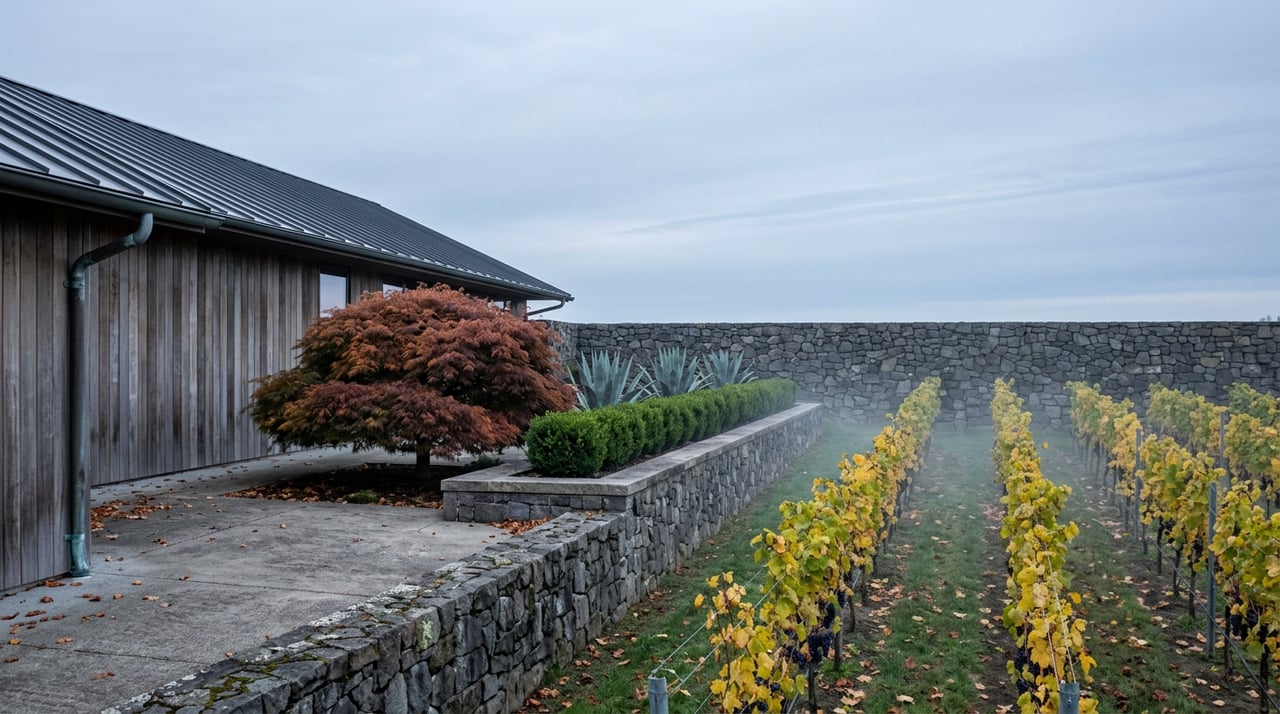
Carlton describes itself as a small farming town with a strong community and vibrant downtown, set in the heart of Willamette Valley wine country. The city also notes that there are more than 40 wineries doing business within the city limits, which gives the town an identity that feels both local and destination-worthy.
That mix of agriculture, hospitality, and walkability is a big part of downtown Carlton’s appeal. According to Visit Carlton, the town grew from its roots as a logging community into a small but significant epicenter of the North Willamette Valley farm and wine scene.
For buyers who want lifestyle as much as square footage, that matters. Downtown Carlton offers a more connected day-to-day experience, where errands, coffee, dining, and tasting rooms can all be part of the same walk.
What walkable living looks like
One of the clearest advantages of living near downtown Carlton is how compact the core feels. Visit Carlton describes the center as home to tasting rooms, locally owned cafés, and thoughtful dining, all within an easy-to-explore setting.
Main Street is central to that experience. Highway 47 becomes Main Street through downtown, and the city’s transportation plan identifies that segment as a Special Transportation Area focused on local access, pedestrian safety, and streetscape improvements.
That planning context is important if you are thinking long term. It signals that the city recognizes downtown as a place meant to function for people on foot, not just drivers passing through.
Food and coffee options downtown
Carlton’s downtown business mix supports everyday convenience in a way many small towns do not. The Carlton Business Association restaurant directory lists local spots including Carlton Bakery, Carlton Coffee Company, Common Grounds Espresso, Blind Pig, Park & Main, The Horse Radish, and Larson House Pizzeria & Eatery.
For you as a buyer, that means downtown living is not just about weekend outings. It can also mean walking out for morning coffee, grabbing lunch nearby, or meeting friends for dinner without planning a drive.
Tasting rooms and wine-country energy
Wine is part of everyday identity in Carlton, not just tourism. The Carlton Business Association winery directory includes tasting rooms and wineries such as Abbey Road Farm, Barking Dog Vineyard & Winery, Canas Feast Winery, Craft Wine Co., Flâneur Wines, Ken Wright Cellars, Marshall Davis Wine, and Résonance Vineyard.
Hours vary by business, with some open daily and others by appointment. That creates a downtown environment with steady wine-country activity while still feeling like a small local main street.
At the regional level, the Yamhill-Carlton AVA press kit says Carlton’s main street lined with tasting rooms, cafés, and shops has become the unofficial hub of the region. For buyers who want proximity to Willamette Valley wine culture, that is a meaningful lifestyle draw.
Shops and daily stops
Walkability is most valuable when it supports real daily routines. The retail directory adds businesses such as Rough Cut Soap Co., Carlton Farms, and Main Street Market & Deli to the downtown mix.
That variety helps downtown feel useful, not just charming. You may still drive for some errands, but living close to the core can make many small outings quicker, simpler, and more enjoyable.
Community events add to the lifestyle
A walkable downtown feels even better when there is a steady community calendar. The Carlton Business Association events page shows recurring events such as Carlton Crawl, Sasquatch Duro, Yamhill-Carlton AVA Tasting, Carlton Crush, Main Street Trick or Treat, Small Business Saturday, Ladies Night, and the Winter Gala.
These events help create the rhythm that many buyers are looking for in a small town. Instead of downtown being active only during peak visitor seasons, the calendar suggests an ongoing pattern of local gatherings throughout the year.
Signature events in Carlton
Carlton Crush is one of the best-known annual downtown events. The business association describes it as a September harvest festival featuring a grape-stomp competition and pours from local wineries, breweries, and distilleries, and Travel Oregon notes that admission and parking are free.
The city also hosts Carlton Fun Days, an annual festival in Upper Wennerberg Park with a fun run or walk, a downtown parade, games, and vendors. If you value places where community events are easy to access, living near downtown can put that activity close to home.
What homes near downtown may offer
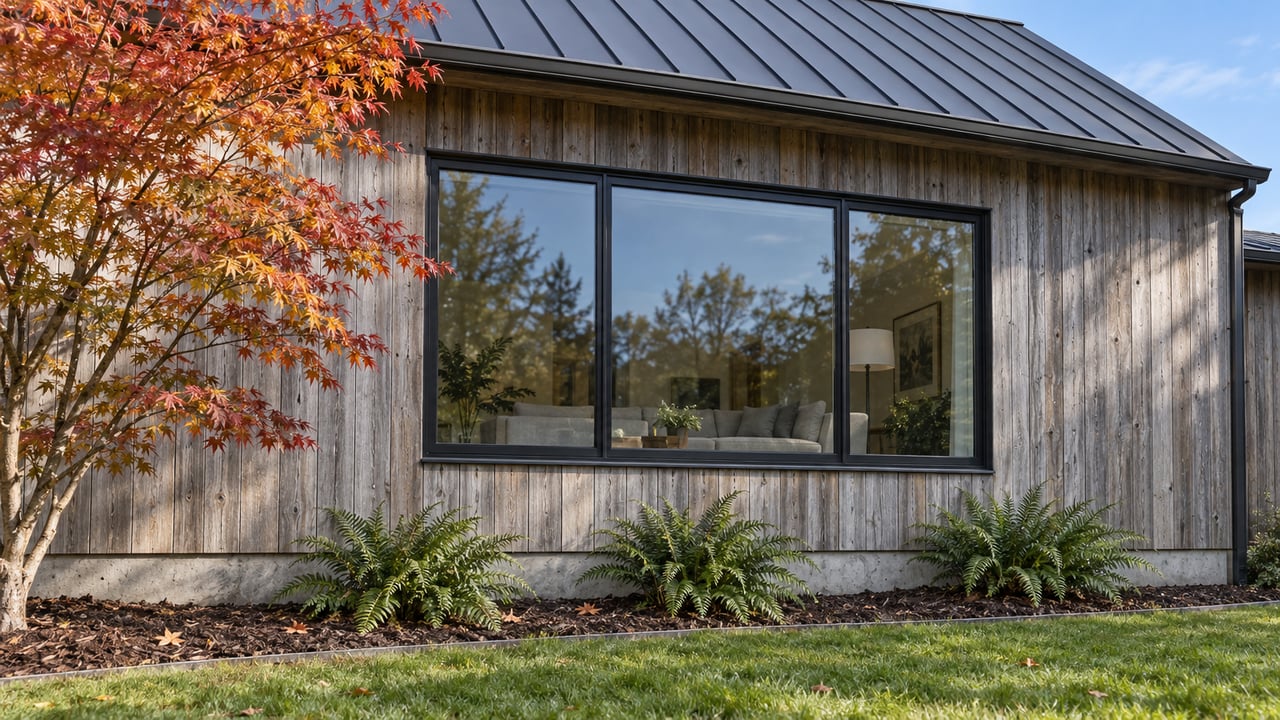
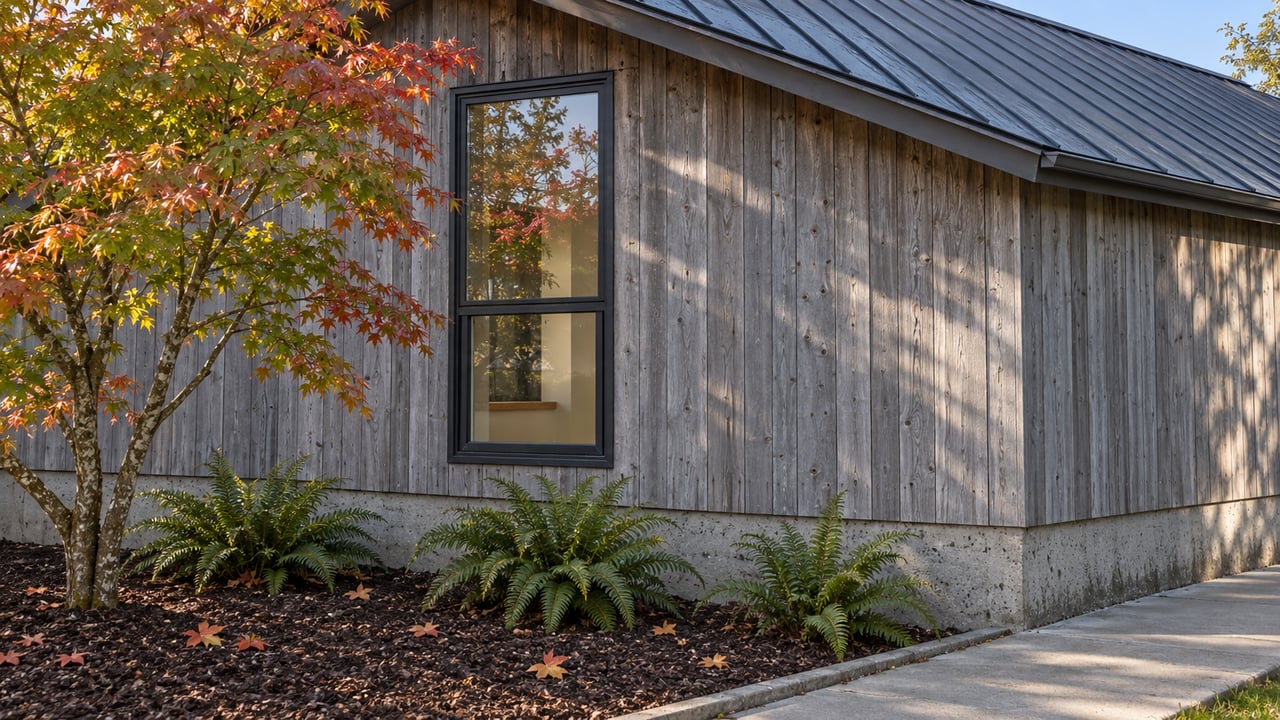
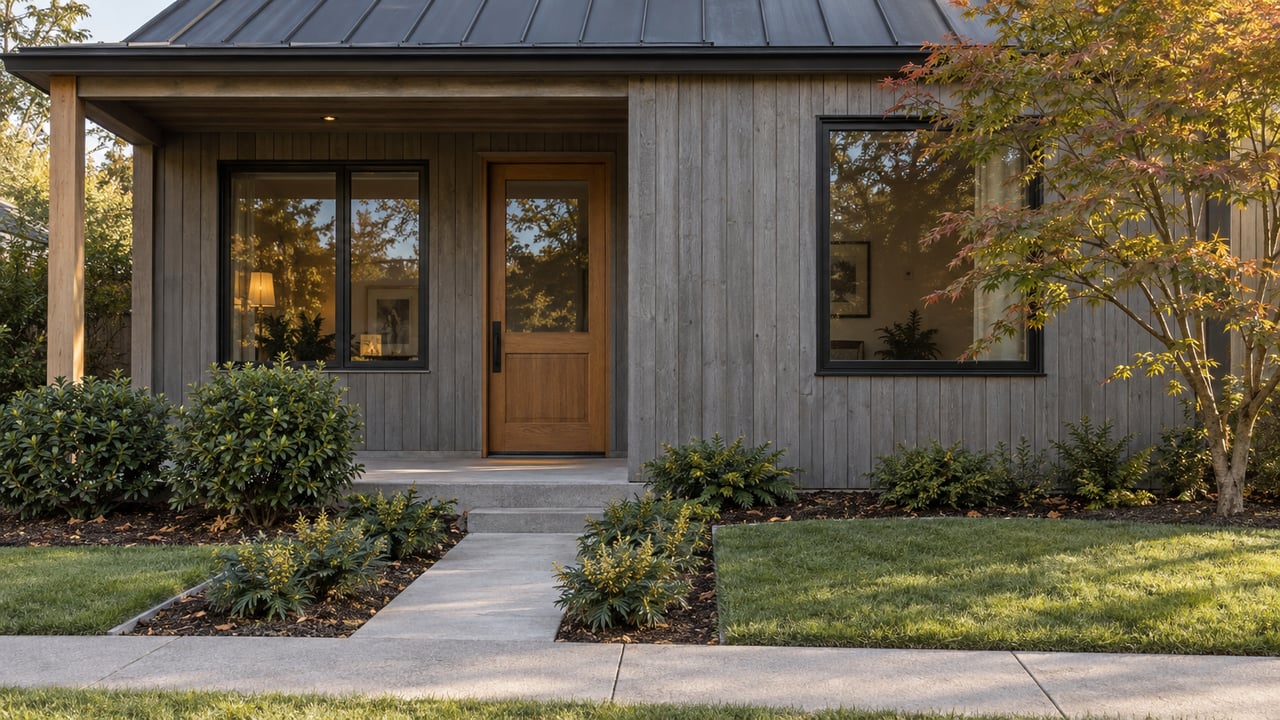
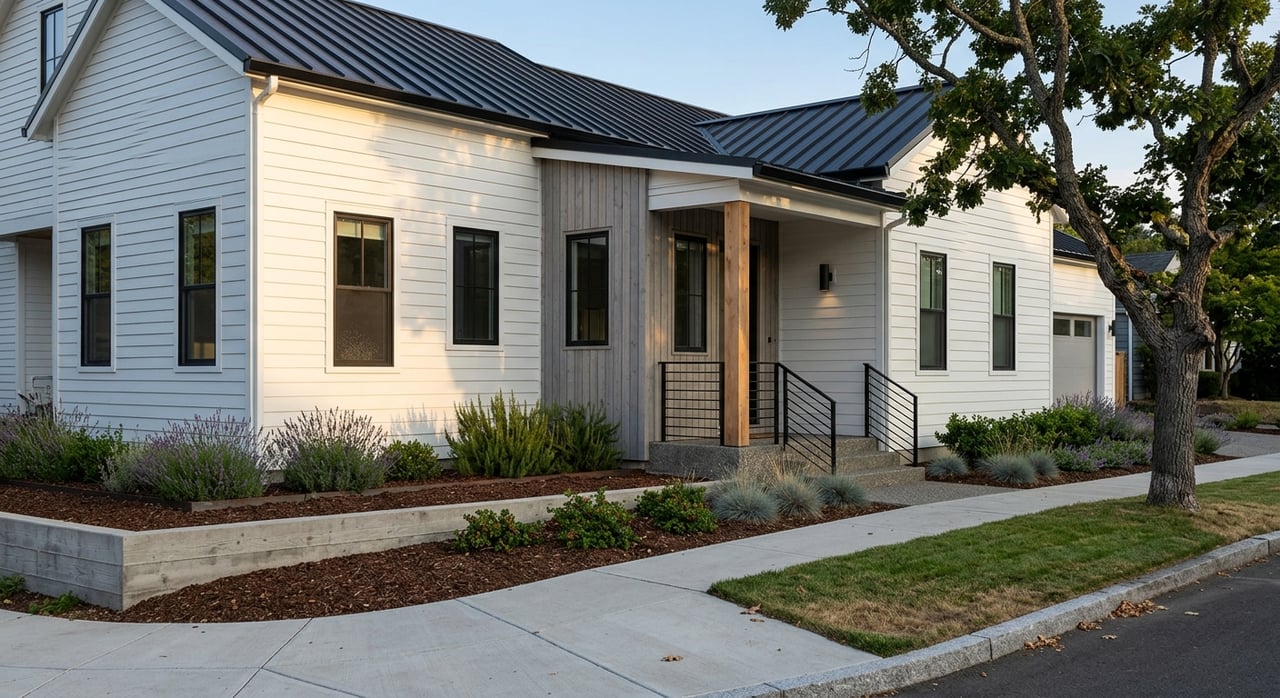
If downtown Carlton’s lifestyle appeals to you, the next question is usually what kind of housing you can expect nearby. The city’s FY26 demographics and community profile says Carlton’s housing stock is predominantly single-family homes, with a significant portion more than 40 years old.
That gives you a useful baseline. Near downtown, you may find homes with more established character and layouts that reflect different building eras than newer subdivisions elsewhere in the region.
Carlton’s zoning memo says the R-1 zone makes up more than 70 percent of the city’s residential land stock. The city’s code and code-update materials also contemplate or allow housing types such as single-family detached homes, ADUs, duplexes, townhouses, cottage clusters, planned unit developments, and some multifamily housing in different zones.
For buyers focused on downtown living, that points to a housing mix that may include:
- Older detached homes near the core
- Smaller-lot infill opportunities
- Select attached-housing options in certain areas
- A more limited apartment-style supply compared with larger cities
In practical terms, downtown Carlton is likely to appeal to buyers who want a manageable footprint, proximity to Main Street, and a home that connects with the town’s established character.
Why buyers are drawn here
Downtown Carlton often appeals to people who want more than a house. They want a setting that feels connected, local, and easy to enjoy on a normal Tuesday, not just during a weekend getaway.
You may be drawn to Carlton if you are looking for:
- A small-town setting with an active main street
- Close access to tasting rooms, cafés, and restaurants
- A Willamette Valley wine-country lifestyle
- Older homes and established residential areas
- Community events within easy reach
That does not mean every home will be steps from everything, or that every block offers the same experience. But if walkability and local character rank high on your list, Carlton’s downtown core offers a compelling combination.
Why downtown investment matters
Another positive sign for buyers is that downtown Carlton has seen public attention and reinvestment. The city says the urban renewal area covers the heart of the downtown commercial district, and the West Main Street project includes sidewalk replacement and an ADA ramp.
Projects like these matter because they support accessibility, appearance, and the long-term function of the downtown core. They also reinforce the idea that Carlton is investing in the very features that make walkable living attractive.
How to evaluate downtown Carlton homes
If you are seriously considering a home near downtown Carlton, it helps to look at both the property and the lifestyle fit. A home that looks great online may feel very different once you factor in street activity, lot size, parking, or distance to Main Street.
As you compare options, consider:
- How close you want to be to downtown businesses and events
- Whether you prefer an older home or newer infill potential
- The balance between walkability and privacy
- Lot size, storage, and parking needs
- How often you expect to enjoy downtown on foot
That kind of evaluation is where local guidance matters. The right home is not just about price or square footage. It is about how your daily life will actually work in Carlton.
If you are exploring Carlton because you want a more connected wine-country lifestyle, working with a broker who understands both the housing mix and the local rhythm can help you make a smarter move. When you are ready to talk through neighborhoods, property types, or your next step in Yamhill County, connect with Chandler Willcuts.
FAQs
What is downtown Carlton known for?
- Downtown Carlton is known for its small-town main street, strong community feel, and wine-country setting with more than 40 wineries doing business within the city limits.
Is downtown Carlton walkable for daily activities?
- Downtown Carlton’s compact core includes tasting rooms, cafés, restaurants, and some retail, which can support a walkable daily routine for many residents.
What kinds of homes are common near downtown Carlton?
- Carlton’s housing stock is predominantly single-family homes, and buyers near downtown may find a mix of older detached homes, smaller-lot infill, and some attached-housing options depending on location and zoning.
Are there community events in downtown Carlton?
- Yes. Recurring events listed by the Carlton Business Association include Carlton Crawl, Carlton Crush, Main Street Trick or Treat, Small Business Saturday, and other seasonal gatherings.
Why do buyers consider downtown Carlton in Yamhill County?
- Buyers often consider downtown Carlton for its walkable main street, wine-country atmosphere, local businesses, and community-centered lifestyle in the Willamette Valley.