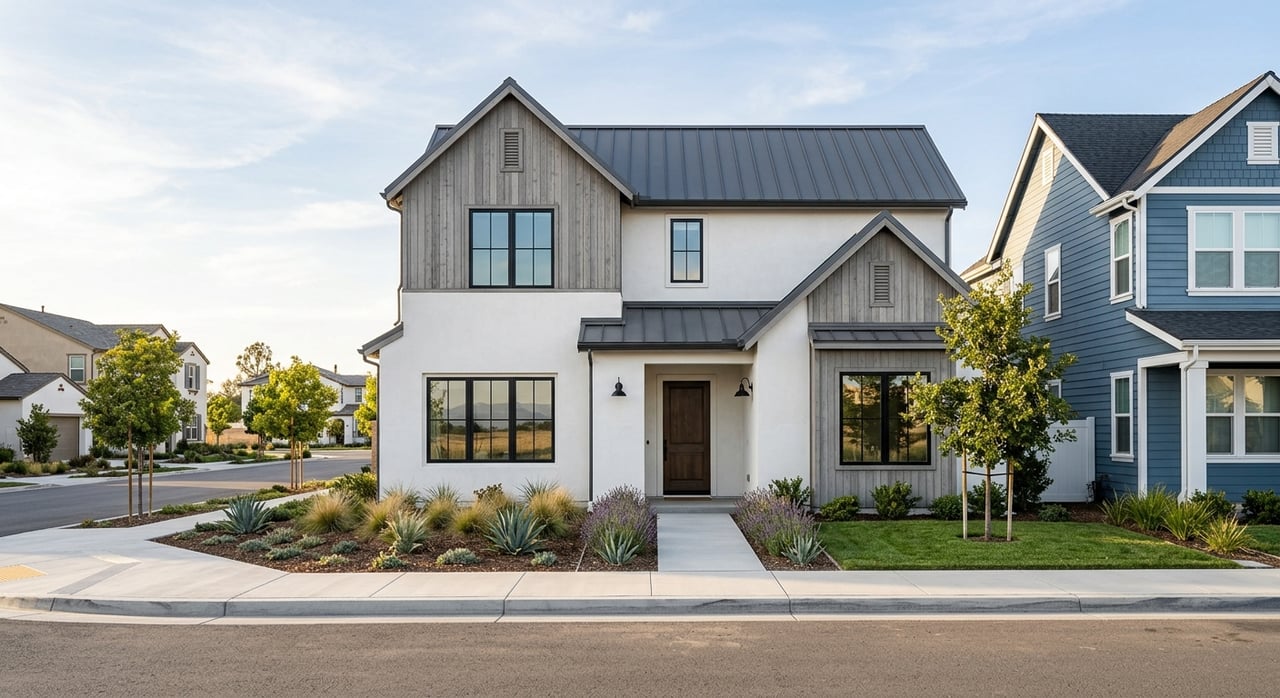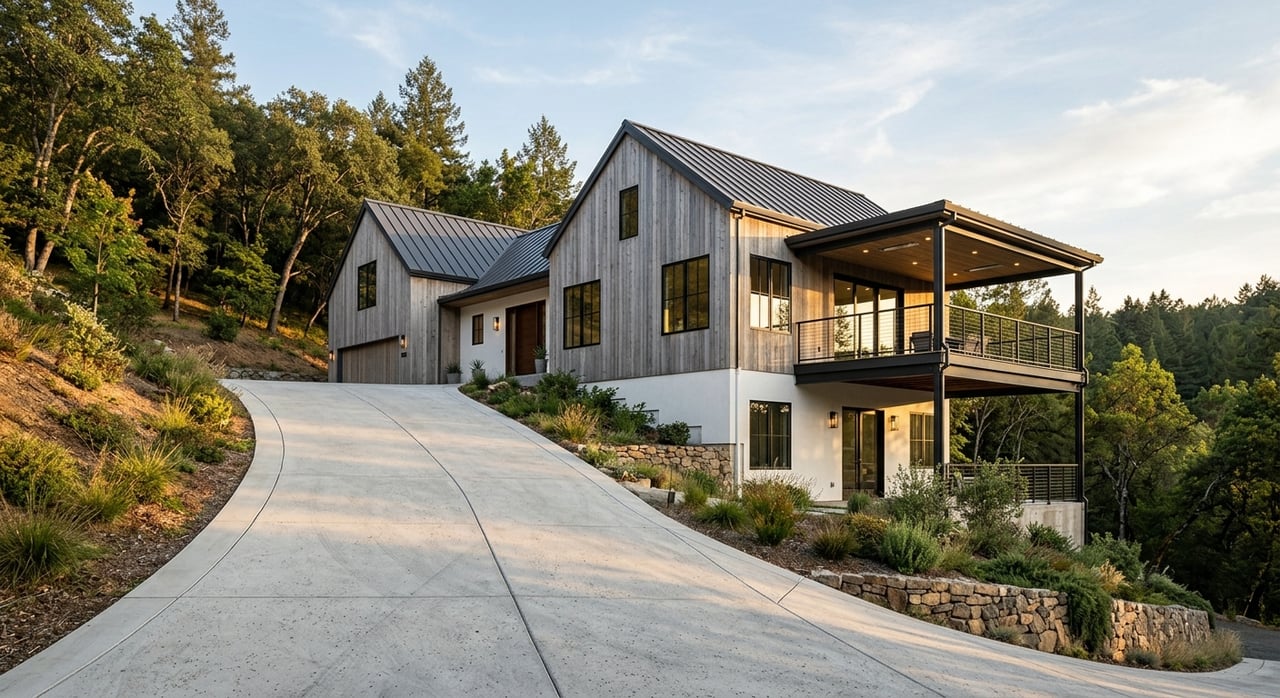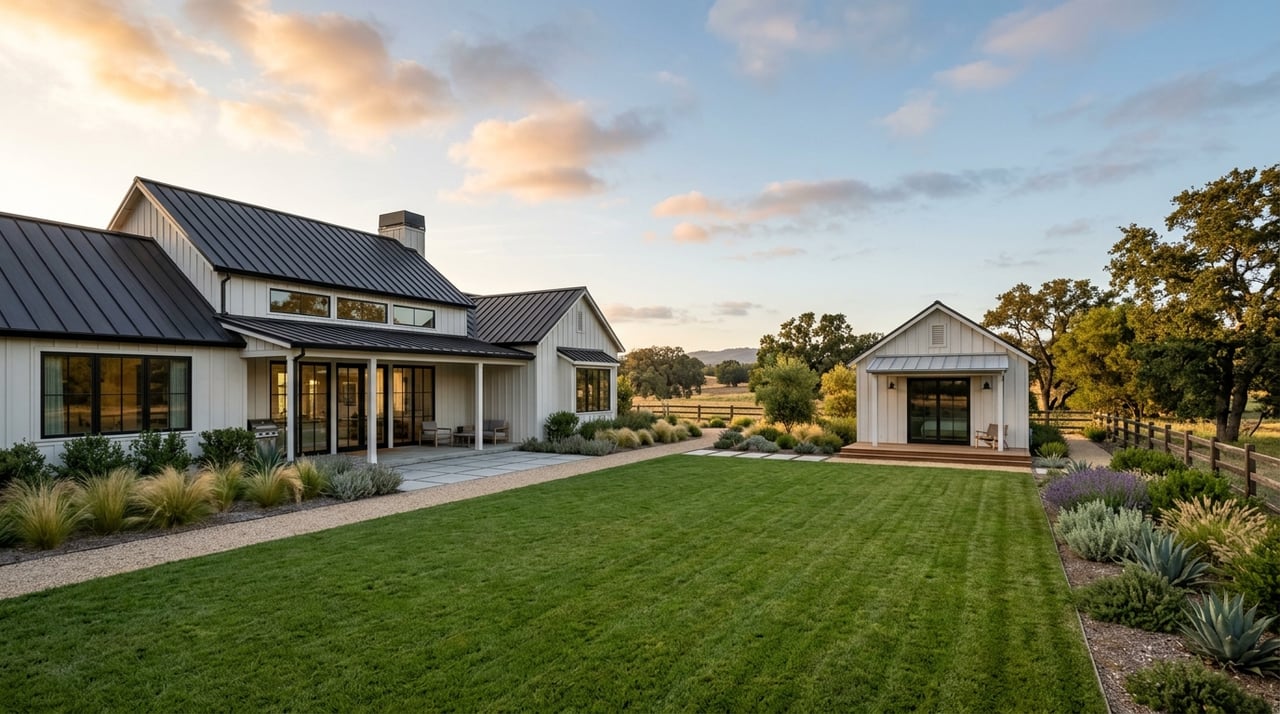
Dreaming about a little vineyard, room for horses, or a quiet retreat with valley views? Buying acreage near Dundee can deliver that wine‑country lifestyle, but rural property brings a different set of rules, utilities, and due‑diligence steps than in‑town homes. You want clarity before you write an offer so you can avoid surprises and plan your project with confidence. In this guide, you’ll learn how zoning, wells and septic, site risks, and permits work around Dundee and what to check first. Let’s dive in.
Know the local landscape
Dundee Hills wine country
Dundee sits in the Dundee Hills of Yamhill County, right in the heart of Willamette Valley wine country. Inside city limits, properties connect to city‑operated drinking water and wastewater systems. Just outside town, parcels shift to rural infrastructure where you would typically rely on private wells and septic. The city is a small gateway community with quick access to Newberg and McMinnville, which makes it popular with buyers coming from the Portland area who want a country setting without feeling remote. You will find small vineyards, hobby farms, and rural residential tracts throughout the hills.
Typical acreage and uses
Around Dundee, most buyers look for a few to several acres for lifestyle goals rather than large‑scale farming. Think vines, garden plots, small animals, views, and privacy. Some owners also explore agritourism or small farm businesses. Your intended use should guide your search because zoning and county rules affect what you can build and operate on any given parcel.
Zoning and permitted uses
EFU and rural zones
Much of rural Yamhill County is zoned EFU, which is designed to preserve farm use. The Yamhill County EFU zoning ordinance outlines permitted farm uses, dwelling standards, accessory structures, and limits on nonfarm development. Before you plan a new home, an accessory dwelling, or a land division, confirm the exact zoning and ask county planning staff what is allowed. Never assume a use is permitted until you verify it against the ordinance.
Agritourism and winery events
If you expect to host events, operate a tasting space, or run on‑farm sales, study the county’s agritourism permit standards. Yamhill County sets attendance limits, event durations, frequency caps, and conditions such as parking and sound rules. These activities must be incidental to farm use, and many require permits. Align your business plan with what the rules allow so your investment and operations stay compliant.
Utilities and access checklist
Water: city service vs private wells
Inside Dundee city limits, many homes connect to city water. Outside city limits, most acreage depends on a private well. Ask the seller for any well logs, yield tests, and water‑right documentation if irrigation is part of your plan. Oregon regulates well construction and groundwater use. Review the Oregon Water Resources Department well rules and confirm registration status and testing needs with the local watermaster. If you plan to drill, budget time for permitting, scheduling, and any pump testing.
To verify city service for an in‑town property, contact the city or review City of Dundee utilities information.
Septic systems and onsite wastewater
Most rural parcels rely on septic. Yamhill County administers onsite sewage permitting under state DEQ rules. During due diligence, request septic permits, the site evaluation report, as‑built drawings, and maintenance or repair records. If records are incomplete or the system is older, order a licensed inspection. For forms, process guidance, and contacts, use Yamhill County septic permits and records.
Power, propane, and broadband
Rural parcels may use overhead power, propane, and sometimes generators. Confirm the utility provider’s capacity, service extension costs, and any easements that affect new construction or agricultural power needs. Broadband can vary by address in the hills. Options may include wired service on main corridors, fixed wireless, 5G home internet, or satellite. Verify at the specific address early in your search so connectivity matches your work and lifestyle needs.
Roads, access, and easements
Determine whether access is by public, county, or private road. Ask for road maintenance agreements if access is private, and review all recorded easements. A boundary or ALTA survey helps clarify where improvements sit relative to property lines and any easements. County planning forms describe road and land‑division expectations, which can affect future building or partitions. Start with Yamhill County planning applications and forms for the current process.
Site risks and suitability
Soils, slope, and siting
Dundee Hills is known for volcanic soils like Jory that have supported celebrated Pinot noir vineyards, but not every parcel has the same combination of slope, aspect, drainage, and microclimate. If vines are part of your vision, consult soil maps and consider a site assessment to evaluate frost pockets, water movement, and plantable acres. The OSU Extension viticulture and small farms resources are a helpful starting point and can connect you with local contractors.
Floodplain, wetlands, and riparian areas
If the property includes low‑lying areas or borders creeks, you may encounter floodplain or riparian restrictions. Yamhill County uses an FP overlay, and development in mapped flood zones requires specific permits and, in some cases, elevation or floodproofing steps. Confirm any overlays and check FEMA maps before you commit to a site plan. See the county’s floodplain overlay rules for details.
Wildfire and defensible space
Wildland‑urban interface risk is a real consideration in rural Yamhill County. Ask the local fire district about response times, insurance classifications, and defensible‑space expectations for your parcel. The county’s Community Wildfire Protection Plan outlines local districts, mitigation practices, and resources to help you harden your home and landscape.
Conservation easements and restrictions
Some acreage carries conservation easements, CC&Rs, or other deed restrictions that guide how land can be used or developed. Your title commitment and survey should flag these early. If you see references to land trusts, open space restrictions, or access provisions, discuss them with your broker and consider legal counsel. Use Yamhill County planning applications and forms to understand how recorded restrictions interact with permits.
Taxes and special assessments
Oregon offers farm and forest special assessment programs that can reduce property taxes when land qualifies for farm use. Qualification depends on zoning, production, and sometimes income thresholds. EFU parcels may qualify when bona fide farm use is present, while non‑EFU parcels often need an application and documented income. Never assume a property already qualifies or will qualify in the future. Review the Oregon Department of Revenue farm‑use special assessment manual, confirm current classification with the county assessor, and talk to your tax professional about implications.
Your due‑diligence game plan
Here are the first documents and verifications to request from the seller or listing agent:
- Title commitment and all recorded easements, road maintenance agreements, and any CC&Rs. Ask your title company to define ALTA survey requirements.
- Exact legal description and the most recent boundary or ALTA survey. If none exists, authorize a new survey.
- Septic file: permits, site evaluation, as‑built, maintenance records, and any repair approvals. If the system is older, order a licensed inspection. Find forms via Yamhill County septic permits and records.
- Well information: well log, yield tests, water‑right certificates or registrations if any, and constructor details. Review Oregon Water Resources Department well rules and confirm the well’s status with the local watermaster.
- Building permits and code compliance history for homes and accessory structures, plus any open permits.
Recommended inspections and reports:
- Boundary or ALTA survey with topography and easements mapped.
- Licensed septic inspection and, if needed, a new site evaluation.
- Well inspection with water quality testing, including coliform and nitrates.
- Soil and drainage review; if you plan vines, consider a viticulture site assessment through OSU Extension viticulture and small farms resources.
- Floodplain and wetlands review using the county’s floodplain overlay rules.
- Wildfire risk and defensible‑space review using the Community Wildfire Protection Plan.
- Title review for conservation easements or deed restrictions.
Who to call for local answers:
- Yamhill County Planning and Development for zoning, EFU status, allowable uses, and land‑division rules. Start with the Yamhill County EFU zoning ordinance and planning applications and forms.
- Yamhill County Sanitation for septic records, site evaluations, and permits via Yamhill County septic permits and records.
- Oregon Water Resources Department and the local watermaster office for well permitting and groundwater questions through Oregon Water Resources Department well rules.
- Yamhill County Assessor for current tax classification and special assessment status.
- OSU Extension for viticulture and small‑farm resources.
- Local fire district for response details and defensible‑space guidance using the Community Wildfire Protection Plan.
Typical timelines to plan for
- Septic site evaluation and permitting often take weeks to months depending on season and system complexity. Check current timing with county sanitation using Yamhill County septic permits and records.
- Well drilling and testing can involve scheduling windows, pump tests, and documentation. Review Oregon Water Resources Department well rules and speak with licensed drillers.
- Land‑use applications for conditional uses, agritourism, or land divisions vary by process type and may include public notice or hearings. Review Yamhill County planning applications and forms for steps and expectations.
Cost categories to budget
- Survey work, septic repair or replacement, well work, and utility extensions can be significant. Permitting and specialist reports may also be required on steep or constrained sites. Obtain local quotes and keep a contingency in your budget.
Buying strategy in the Dundee Hills
- Define your primary use early. A plan for vines, equestrian use, events, or a second dwelling should drive your shortlist and your zoning checks.
- Make infrastructure visible. Confirm water source, septic status, power capacity, and realistic internet options before you fall in love with the views.
- Write smart contingencies. Build in time for well and septic inspections, survey, floodplain verification, and any county consultations.
- Respect overlays and access. Floodplain, riparian buffers, and private road obligations can reshape your site plan and long‑term costs.
- Think long term on taxes. If you plan farm use, read the farm‑use special assessment manual and confirm eligibility with the assessor so you are not surprised later.
If you want seasoned guidance from a local who understands acreage, wine‑country living, and the county process, reach out to Chandler Willcuts. You will get clear next steps, local referrals, and a white‑glove experience from search to closing.
FAQs
What does EFU zoning in Yamhill County allow?
- EFU prioritizes farm use and limits nonfarm development; confirm your intended use and any dwelling plans with county planning and the Yamhill County EFU zoning ordinance.
How do you check if a Dundee acreage has city water or a well?
- Inside city limits, review City of Dundee utilities information; for rural parcels, request the well log and see Oregon Water Resources Department well rules.
What permits apply for a tasting room or events on acreage?
- Yamhill County sets limits and permit paths for agritourism; review the agritourism permit standards and discuss your plan with county staff.
How can you confirm floodplain or riparian limits on a property?
- Check FEMA maps and the county’s floodplain overlay rules and factor any elevation or floodproofing requirements into your site plan.
What is farm‑use special assessment and why does it matter?
- Oregon may reduce taxes on qualifying farm land; read the farm‑use special assessment manual and confirm current status with the county assessor.
Who handles septic permits and records in Yamhill County?
- The county oversees onsite sewage under DEQ rules; start with Yamhill County septic permits and records for applications and guidance.
How do you gauge wildfire risk and fire response near Dundee?
- Contact the local fire district and review the county’s Community Wildfire Protection Plan for response areas and defensible‑space recommendations.