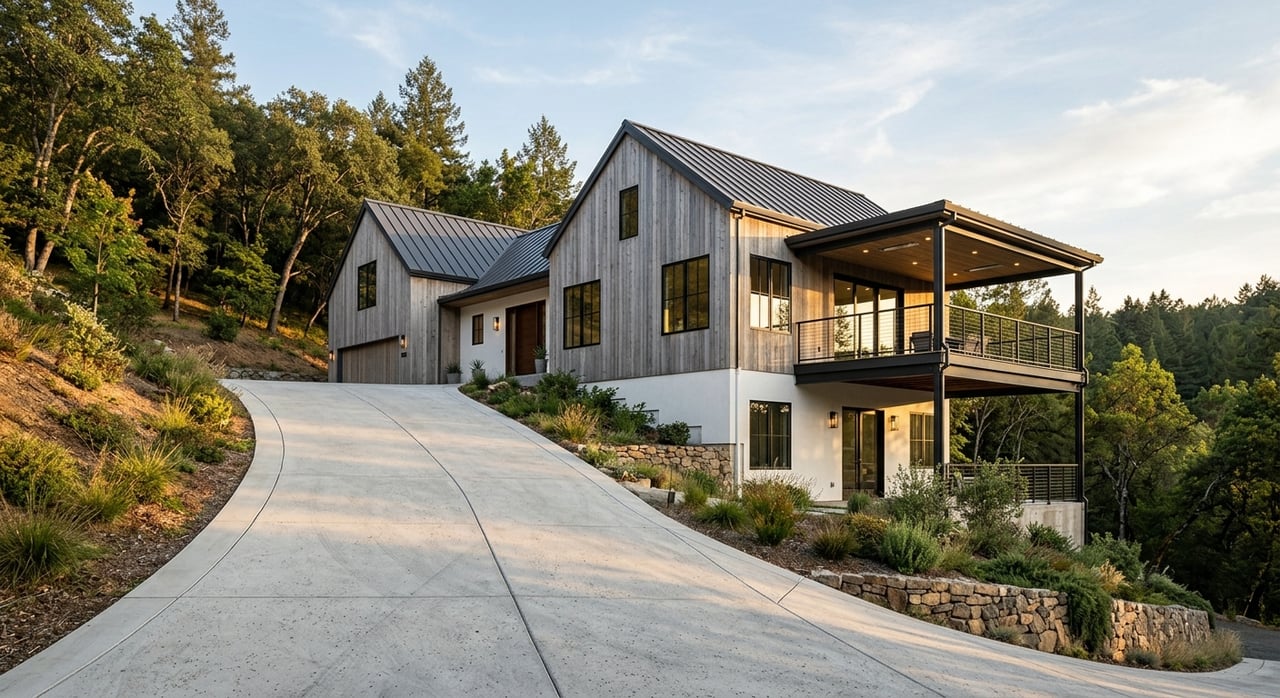
Thinking about a hillside or view home in Dundee? The scenery can be a big draw, but the day-to-day experience is about more than a beautiful outlook. If you are comparing elevated properties to homes on flatter ground, it helps to understand how slope, sunlight, access, and maintenance can shape your routine. Let’s dive in.
Why Dundee Hillside Homes Feel Different
Dundee sits in a distinct topographic setting within the Dundee Hills area of the Willamette Valley AVA. The area rises from about 200 feet to a peak of 1,067 feet, which creates a different feel from the broader valley floor.
That elevation change affects more than the view. In Dundee, slope, exposure, and access can all influence how a home lives, how outdoor space functions, and what kind of upkeep you should expect over time.
The city also directs property owners and buyers to review its comprehensive plan, zoning map, development code, and transportation system plan. In simple terms, lot-specific details matter here. A view parcel may have different access or development considerations than a standard in-town lot.
Light and Orientation Matter
One of the biggest perks of a hillside home is how it captures light. But not all views feel the same inside the house.
South-facing windows tend to bring in the most winter sun and can stay more comfortable in summer when properly shaded. North-facing windows usually offer more even natural light with less glare. East- and west-facing windows can create stronger glare and more summer heat, with west-facing glass often getting the hottest afternoon exposure.
In Dundee, slope orientation has long been part of the area’s identity. South-facing exposure is especially notable in the hills, which is one reason buyers often notice how differently homes can feel from one street or hillside to the next.
What to Notice During a Showing
When you tour a Dundee view home, pay attention to how the view works with the home’s layout. A great sightline from the deck may not feel the same in the living room at 4 p.m. on a warm day.
Here are a few practical things to look for:
- Morning versus afternoon light
- Glare in main living spaces
- Shade coverage on patios or decks
- Heat build-up near large west-facing windows
- How connected indoor rooms feel to the outdoor view
A home with a beautiful setting should also feel comfortable and usable throughout the day.
Outdoor Living on a Slope
Outdoor space often looks different on a hillside lot than it does on flatter land. Instead of one broad backyard, you may have a series of outdoor zones like a deck, steps, planting areas, patios, or smaller level spaces.
That is not a bad thing. In fact, many Dundee hillside homes feel more private and more visually connected to the landscape because of this layout. Still, you want to make sure the outdoor space fits how you actually live.
OSU Extension guidance recommends planning for slopes, sunlight, microclimates, views, and the way water naturally moves across the site. On a practical level, that means hardscaping, planting beds, and drainage features should work together rather than fight the slope.
Yard Usability in Real Life
If you love outdoor living, ask yourself how much truly usable space the lot provides. A dramatic setting may still have a smaller flat area for dining, gardening, or play.
That is why it helps to think in zones. One terrace may be ideal for seating, another for planting, and another for access between levels. A well-planned hillside yard usually feels intentional, not improvised.
Drainage and Water Management
On hillside property, water management is one of the most important practical issues. Rainfall, irrigation, runoff, and roof drainage all need to be directed carefully so water does not collect where it should not.
OSU notes that runoff on slopes, especially around hard surfaces, can carry debris and contribute to erosion. Features like permeable surfaces, rain chains, and slot drains can help manage stormwater more effectively.
Roof runoff matters too. Guidance from DOE notes that water from the roof can saturate soil near the foundation if it is not carried away properly. Gutters and downspouts should move water away from the house, and drains should be kept clear of debris.
What Maintenance Often Looks Like
For many Dundee hillside homes, the maintenance story is less about the view and more about the systems that protect the property. You may spend more time monitoring drainage paths, gutters, downspouts, and landscape conditions than you would on a flatter lot.
Irrigation also deserves attention. OSU recommends maintaining and adjusting irrigation during the growing season and avoiding oversaturation near hardscape or structures. That can be especially important when you are managing a layered landscape on a slope.
Driveways and Access Deserve a Closer Look
A view home can feel private and elevated, but access is a major part of daily livability. In Yamhill County, driveway standards tie into fire code and road standards, with attention to drainage, all-weather surfaces, grade limits, and turnarounds for dead-end access.
That should tell you something important as a buyer. A driveway is not just a strip of pavement. On a hillside property, it can be a key part of safety, convenience, and long-term maintenance.
Questions to Ask About Access
Before you move forward on a Dundee hillside home, it is smart to ask clear questions about the property’s approach and ongoing upkeep.
Consider asking:
- Who maintains the driveway or private lane?
- Is the surface suitable in wet weather?
- Are there steep segments that may need extra care?
- Is there enough room for guests, deliveries, and emergency vehicles?
- Does the property have a gate or turnaround area?
These details can make a home feel easy and comfortable to live in, or more demanding than expected.
Dundee Lifestyle: The Tradeoff Is Worth Understanding
For many buyers, the appeal of hillside living in Dundee is easy to understand. Better light, wider views, and a stronger connection to wine-country surroundings can make a property feel special in a way that flatter homes sometimes do not.
At the same time, elevated lots often come with more responsibility. Access, drainage, landscape planning, and routine upkeep tend to play a bigger role in ownership.
That does not make hillside living less desirable. It simply means the best purchase is an informed one. When you understand both the lifestyle advantages and the practical realities, you are in a much stronger position to choose the right fit.
How to Shop Smart for a Dundee View Home
If you are serious about buying in Dundee, focus on more than the first impression. A stunning deck photo or valley view is only part of the story.
Look closely at how the lot is shaped, how sunlight hits the home, how outdoor areas are organized, and how water and access are handled. In a market with hillside sites, wine-country properties, and unique parcels, that level of due diligence can save you time and help you buy with confidence.
If you want a local guide who understands how Dundee homes differ from one lot to the next, connect with Chandler Willcuts. You will get attentive, white-glove support and practical insight as you evaluate view properties in Dundee and across the Willamette Valley.
FAQs
What makes hillside homes in Dundee different from valley-floor homes?
- Hillside homes in Dundee are shaped by elevation, slope, and exposure, which can affect light, views, outdoor layout, access, drainage, and long-term maintenance.
What should buyers look for in a Dundee view home’s orientation?
- Buyers should look at how the home captures morning and afternoon light, whether west-facing glass creates heat or glare, and how comfortable main living spaces and decks feel throughout the day.
Why is drainage important for hillside properties in Dundee?
- Drainage matters because runoff on slopes can contribute to erosion and moisture issues, and roof water should be directed away from the foundation with properly maintained gutters and downspouts.
How do outdoor spaces usually work on Dundee hillside lots?
- Outdoor areas on hillside lots often function as separate zones, such as decks, patios, steps, and planting beds, rather than one large flat backyard.
What access questions should buyers ask about Dundee hillside homes?
- Buyers should ask who maintains the driveway or private road, whether the surface works well in wet conditions, whether there are steep sections, and whether there is adequate room for turnarounds, deliveries, guests, and emergency access.