Thinking about selling your acreage in Carlton but not sure how to stand out? You are not alone. Rural buyers want space, privacy, and potential, but they also expect clear facts about wells, septic, soils, access, and use. In this guide, you will learn how to position your property around the wine‑country lifestyle buyers love while backing every claim with documentation they trust. Let’s dive in.
Why Carlton acreage sells
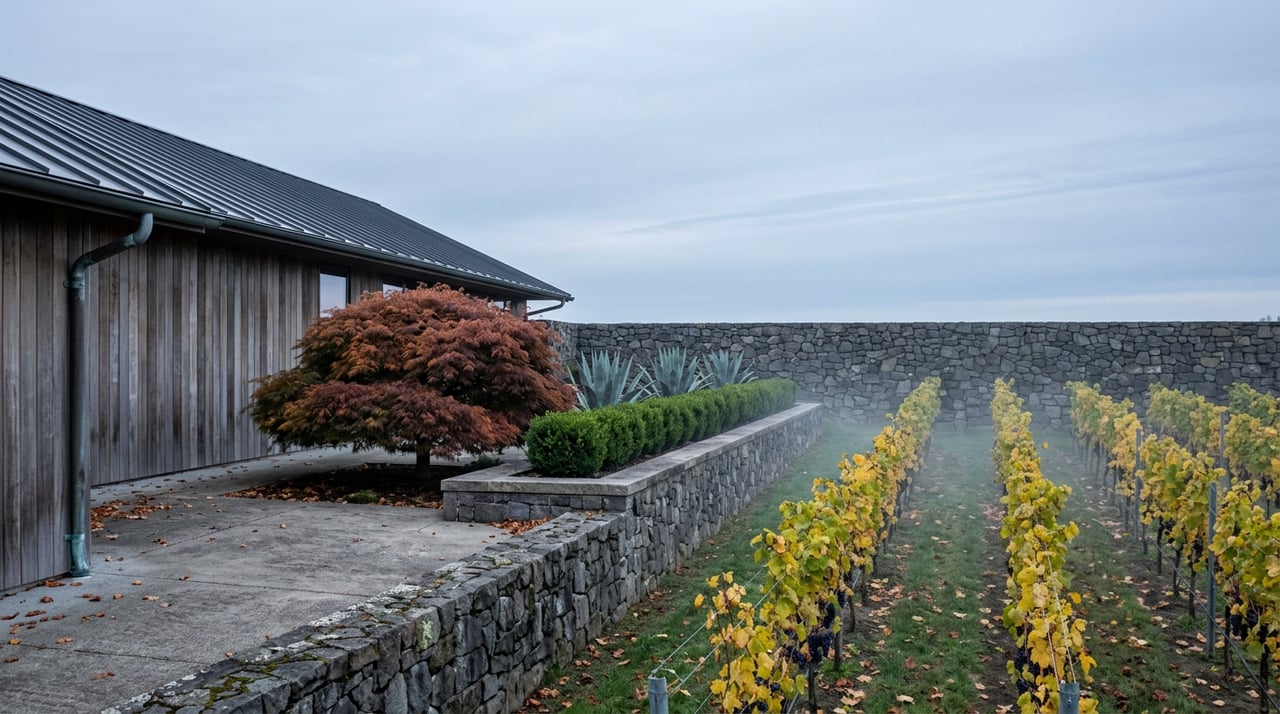
Carlton sits in the heart of Yamhill County’s Willamette Valley, known for its vineyards, tasting rooms, and scenic backroads. Buyers come for vineyard potential, hobby farming, equestrian use, and peaceful views, along with reasonable access to Portland and Salem. The wine‑country setting adds a lifestyle premium when you market it correctly.
National reports show a lasting interest in rural, lifestyle‑oriented homes since 2020, with buyers prioritizing land and outdoor space. You can reference the National Association of Realtors’ insights on shifting buyer preferences to understand this demand and how it benefits well‑prepared acreage sellers. For local context, the Willamette Valley wine region’s draw is a real advantage; highlighting proximity to tasting rooms and agritourism can attract motivated buyers who value location and potential. Learn more about the region through the area’s wine industry organization at Willamette Valley Wine Country.
Know your buyer segments
Different buyers see different value in your acreage. Tailor your story to the groups most likely to act:
- Lifestyle and retiree buyers seeking privacy, gardens, and simple hobby farming.
- Equestrian and small‑farm buyers who care about barns, pastures, and water.
- Weekend and second‑home buyers drawn to wine tasting and scenic escapes.
- Remote workers and families who want space without losing regional access.
- Investors or specialty‑ag buyers focused on terroir and infrastructure.
Match your messaging to their priorities. For example, equestrian buyers need pasture maps and barn details. Wine‑curious buyers want soils, slope, elevation, and proximity to tasting rooms. Remote workers want reliable utilities, road access, and broadband options.
Prep your property the right way
Serious buyers move faster when you deliver a clean, complete info package. Create a simple data room with digital copies of key items so it is easy to share.
- Confirm zoning and uses. Verify your parcel’s zoning and permitted uses with Yamhill County Planning. If buyers might consider a vineyard, agritourism, or additional structures, include plain‑language notes about permitted paths or conditional use processes.
- Verify water and rights. In Oregon, wells and water rights are managed by the Oregon Water Resources Department. Gather your well log, flow or yield tests, and any water‑right documents. Buyers will ask for these early.
- Document septic status. On‑site systems are handled through county environmental health. Provide permits, pump records, and any recent inspection results. Start with the county portal at Yamhill County to track what exists and what buyers may need.
- Outline soils and suitability. Soil type, depth, and slope matter for pasture, vineyards, orchards, and building sites. The OSU Extension Service offers soil testing guidance and crop suitability resources you can share with buyers.
- Address hazards and mapping. Buyers expect clarity on floodplain and wildfire exposure. Use the FEMA Map Service Center for flood status and the Oregon Department of Forestry for wildfire information and defensible‑space best practices.
- Gather access and boundary records. Include surveys, easements, private road maintenance agreements, and any recorded right‑of‑way documents. If you have a gated entry, note how access is shared and maintained.
- Include tax and program info. If your acreage is enrolled in a farm tax deferral or similar program, include a recent statement and contact information for the Yamhill County Assessor. Buyers value clarity about future tax obligations.
Craft a lifestyle story buyers feel
Facts build trust, but lifestyle sells. Pair both in every description:
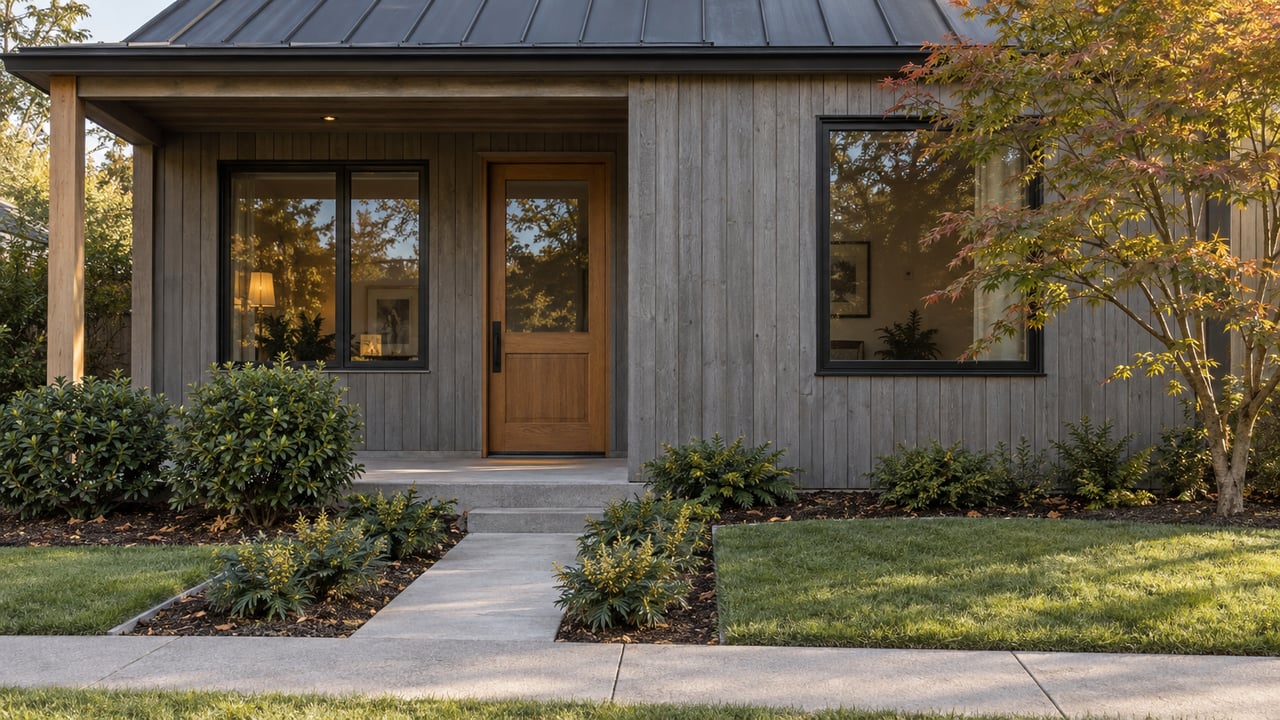
- Lead with the lifestyle: morning coffee on the porch, vineyard‑view sunsets, a short drive to tasting rooms, space for horses or gardens.
- Anchor with specifics: acreage count, usable pasture acres, barn dimensions, well yield, septic age, soil notes, and access type.
- Keep claims verifiable: use “potential” when suitability needs further analysis and cite your source documents.
Example structure for your description:
- Headline: “Private 10 acres with barn and vineyard potential near Carlton.”
- Lifestyle hook: “Sunset views and easy access to tasting rooms.”
- Proof points: “30 gpm well per 2021 test, 3‑bedroom septic, fenced pasture, gentle south‑facing slopes, recent survey.”
- Next steps: “Zoning and well documents available upon request.”
Create visuals that sell the land
Acreage is about scale, flow, and possibility. Strong visuals help buyers “feel” it before they step foot on site.
- Use drone and aerial context. A high, wide aerial hero image helps buyers grasp boundaries and topography. If you plan to use a drone, ensure the pilot follows FAA small UAS rules.
- Film a short tour. A 2–5 minute video showing the drive‑in, house‑to‑outbuildings flow, and key outdoor spaces makes a big difference.
- Stage for real life. Lightly stage barns, gardens, and outdoor dining areas to show plausible use. Pair imagery with accurate qualifiers when needed.
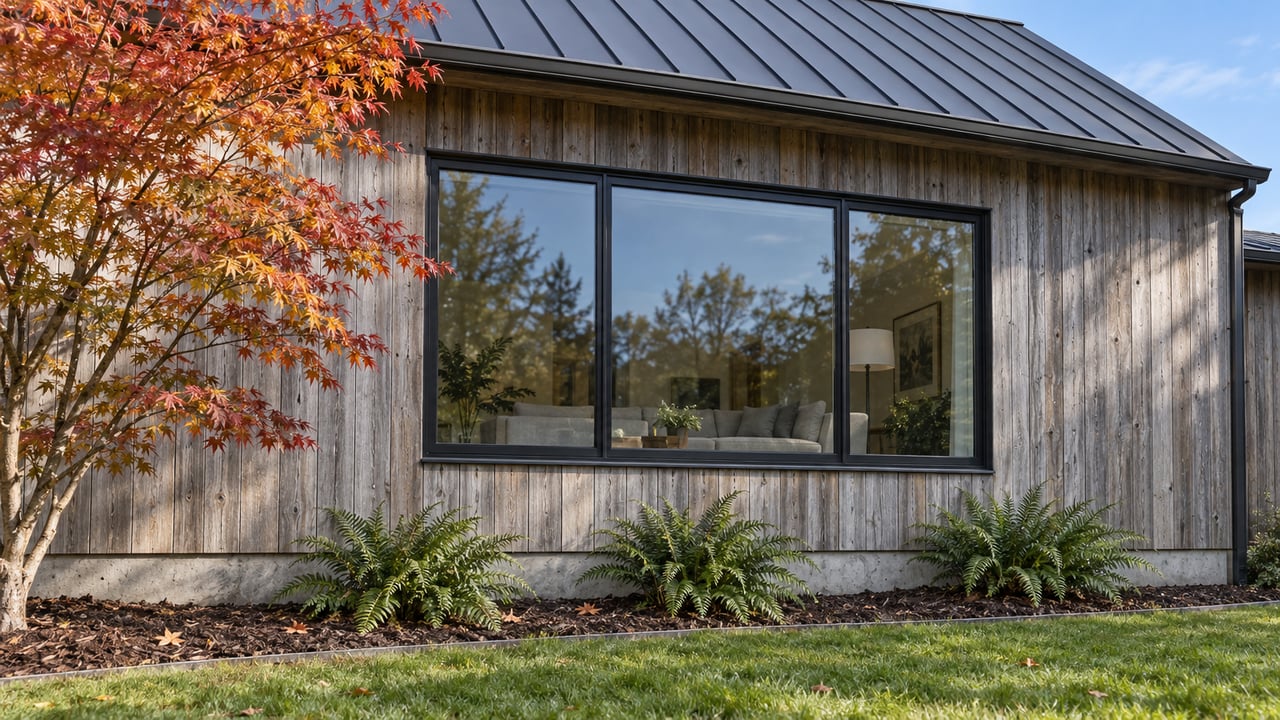
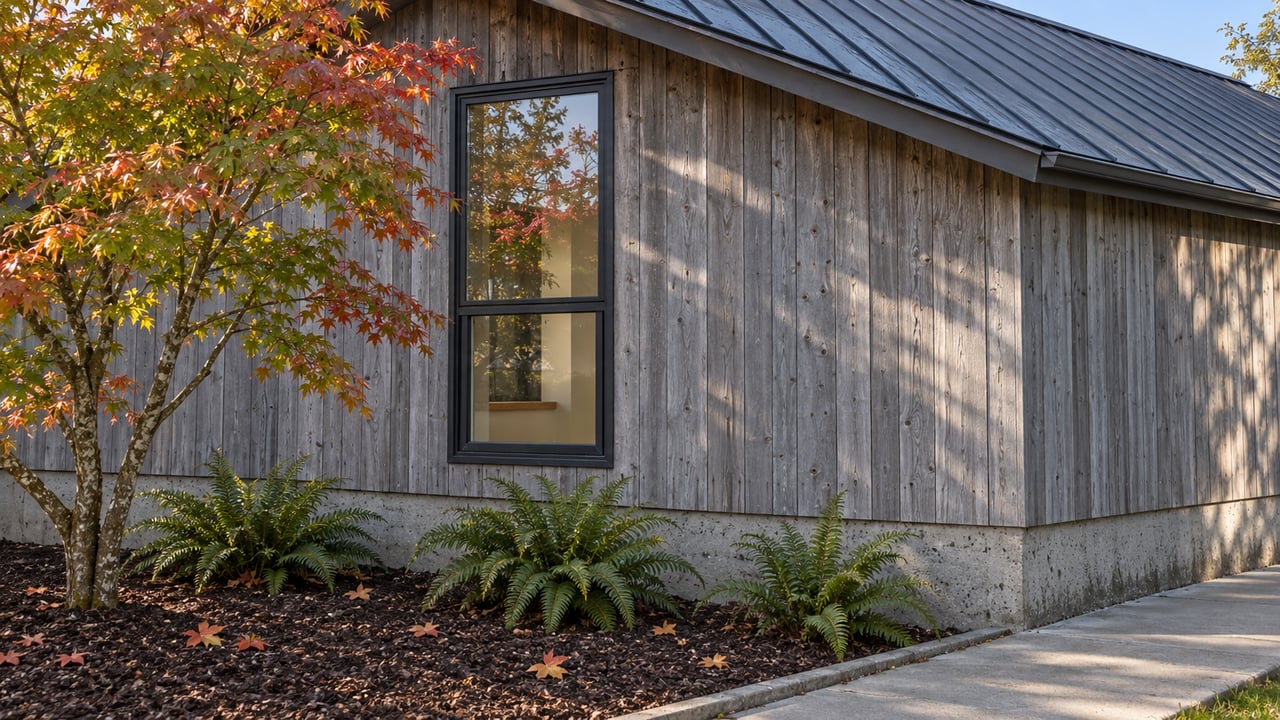
- Time your shoot. Capture spring or summer greenery and, when relevant, fall color or harvest activity that fits the property’s story.
Map what matters
Maps can answer buyer questions before they ask them.
- Parcel boundary overlay with clear legend.
- Approximate contours and slope arrows.
- Soil and flood overlays with links to source maps.
- Distances to downtown Carlton, tasting rooms, and key services.
Keep maps clean and labeled. Note that boundaries are approximate and refer buyers to the recorded survey.
Launch a focused digital campaign
Your audience is specific, so your marketing should be too.
- MLS syndication plus targeted social ads aimed at Portland metro and lifestyle interests like wine and equestrian groups.
- Email to broker networks, past clients, and local wine‑country contacts.
- Cross‑promotion with regional wine organizations and small‑farm communities. The visibility of the Willamette Valley wine scene through resources like Willamette Valley Wine Country helps your listing reach the right audience.
- Clear, keyword‑accurate copy that includes acreage, vineyard potential, equestrian, barn, well, privacy, and Carlton.
Host the right on‑site experiences
Open houses for acreage work best when they are purposeful.
- Appointment‑only previews for qualified buyers.
- Broker tours with a short, guided walk of the land and handouts summarizing zoning, water, and soils.
- Invite aligned communities like equestrian groups and small‑farm enthusiasts to broaden exposure.
Provide printed maps, a feature sheet with specs, and a QR code linking to your document package.
Price with purpose
Acreage pricing is about usable acres and infrastructure, not just square footage of the home.
- Value usable land higher than steep, wooded, or seasonally wet areas.
- Account for existing infrastructure like irrigation, barns, fencing, and plantings.
- Consider proximity to downtown Carlton, wineries, and highway access when setting price expectations.
Expect buyers to include contingencies for well tests, septic inspections, soils, and zoning verification. Have your documents ready so they can move quickly and confidently.
Navigate lending and appraisals
Rural properties can face stricter lending and appraisal standards. Appraisers look for comparable acreage sales and confirmed uses. To reduce friction:
- Share recent comps and a summary of your property’s infrastructure and permitted uses.
- Provide all water, septic, and soil documents upfront.
- Be open to appraisal walk‑throughs of outbuildings and grounds to confirm value drivers.
Your Carlton selling checklist
Use this quick checklist to keep your sale on track:
- Zoning confirmation and permitted uses from Yamhill County Planning
- Well log, flow test, and any water rights via OWRD
- Septic permits, pump records, and recent inspection notes
- Recorded survey, easements, and road maintenance agreements
- Soil notes and suitability resources from OSU Extension
- Flood and wildfire info via FEMA maps and Oregon Department of Forestry
- Recent property tax statement and any farm tax deferral details
- Professional photography, drone by a compliant operator, video tour, and clean maps
Why work with a local pro
Selling acreage in wine country is as much about storytelling as it is about due diligence. You need a strategy that blends lifestyle marketing with rigorous documentation and targeted outreach. With 600+ lifetime sales and a white‑glove, results‑driven approach, Chandler brings the local roots, modern marketing, and steady negotiation you want on your side.
If you are planning to sell acreage in Carlton, let’s tailor a lifestyle‑first plan and get your documentation packaged for a smooth process. Reach out to Chandler Willcuts to get started.
FAQs
What documents do Carlton acreage buyers usually request?
- Expect requests for zoning confirmation, well logs and water‑right info, septic permits and inspection records, recorded surveys and easements, recent tax statements, and any soils or flood/wildfire resources you have.
How do I verify my well and any water rights in Oregon?
- The Oregon Water Resources Department maintains well records and water‑rights information; you can start with the state portal at the OWRD website.
Where do I check zoning and permitted uses in Yamhill County?
- Contact Yamhill County Planning for parcel zoning, permitted uses, and any conditional use processes relevant to vineyards, outbuildings, or agritourism.
How can I show wildfire or flood risk to buyers?
- Use the Oregon Department of Forestry for wildfire resources and the FEMA Map Service Center to view floodplain maps that may affect insurance or lending.
What media works best to market acreage in Carlton?
- Strong drone and aerials, a short video tour showing land flow and outbuildings, lifestyle images that match the property’s true capability, and clean map overlays are most effective. Ensure any drone flights follow FAA rules.
Why highlight wine‑country proximity when selling acreage?
- The Willamette Valley wine region draws lifestyle buyers who value tasting rooms and agritourism access; positioning your property within this context can increase interest. See the regional overview at Willamette Valley Wine Country.