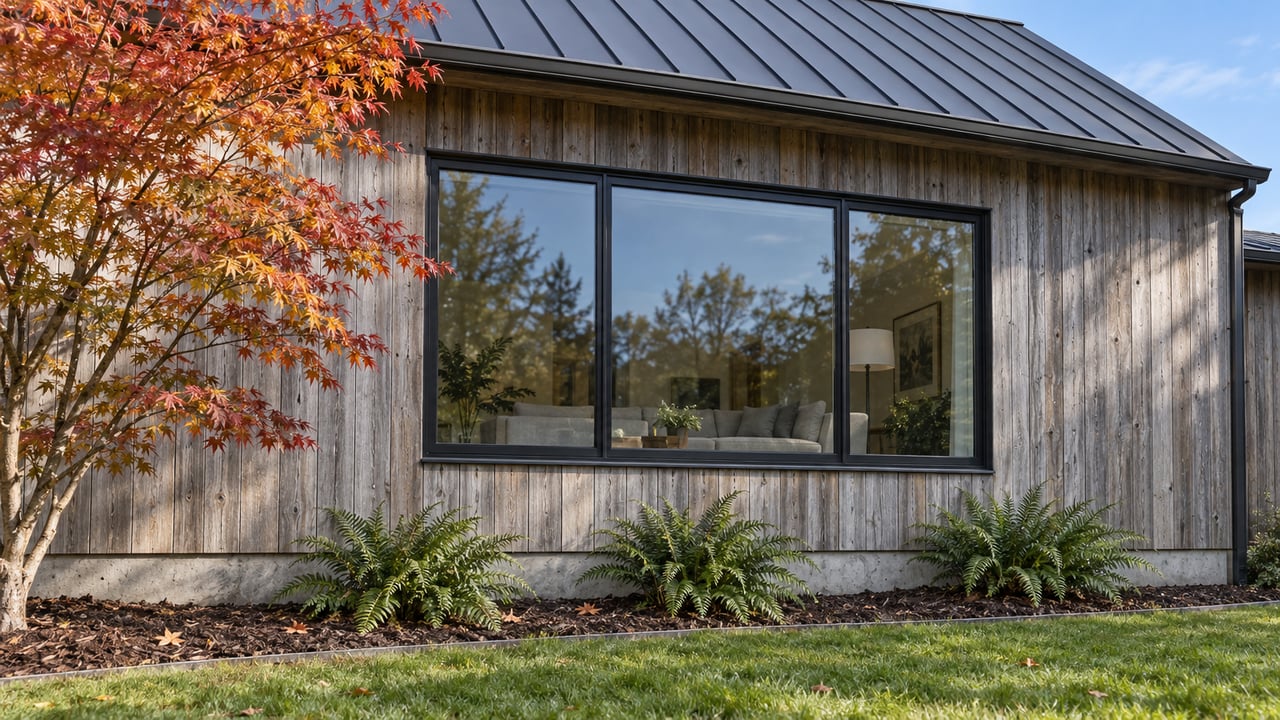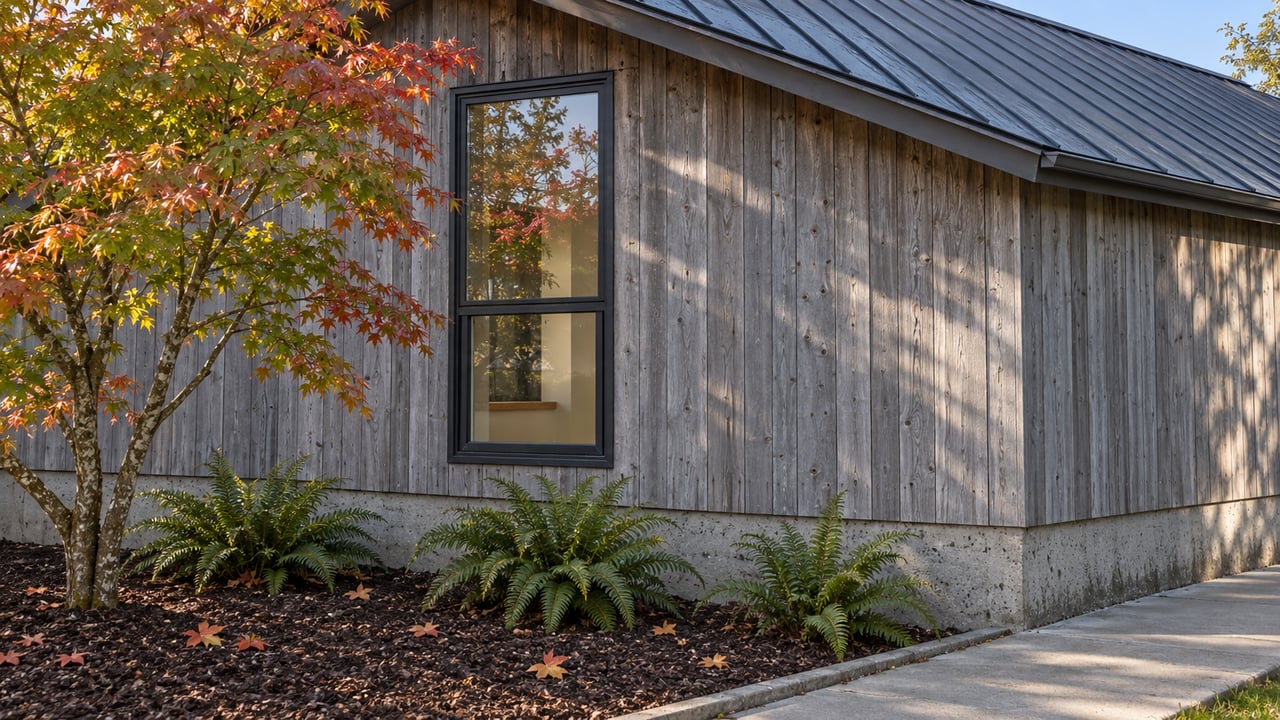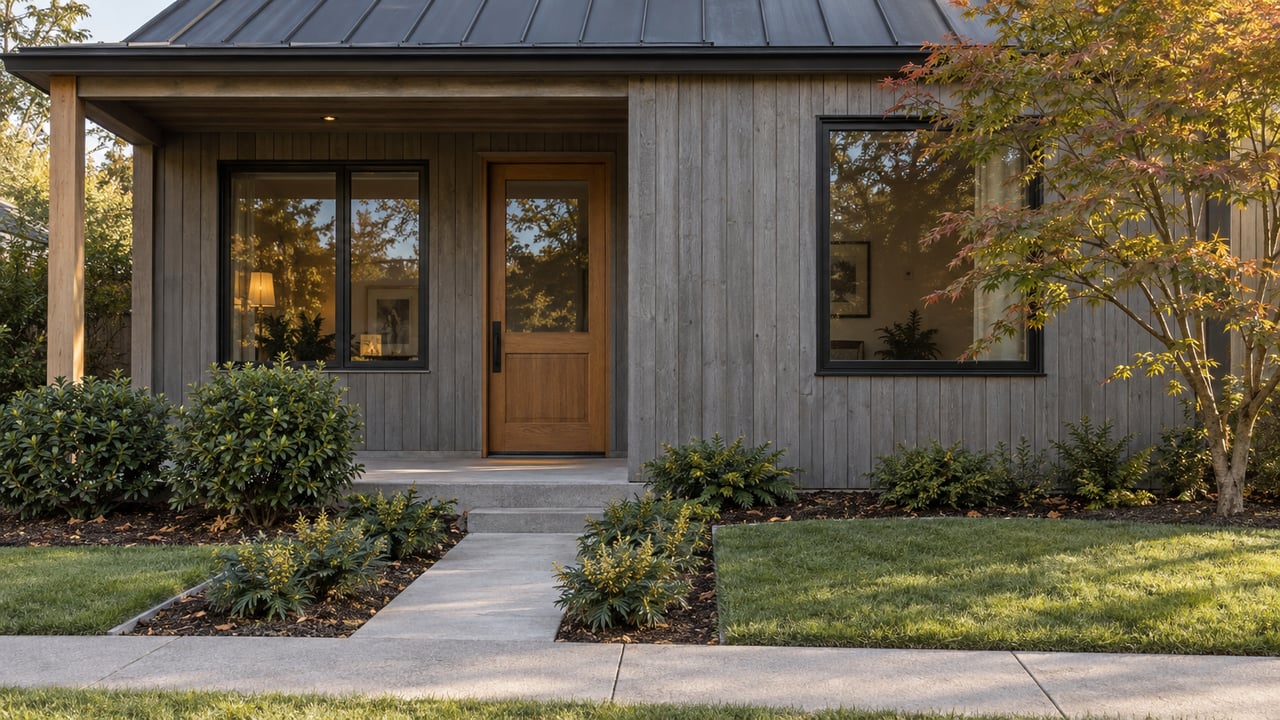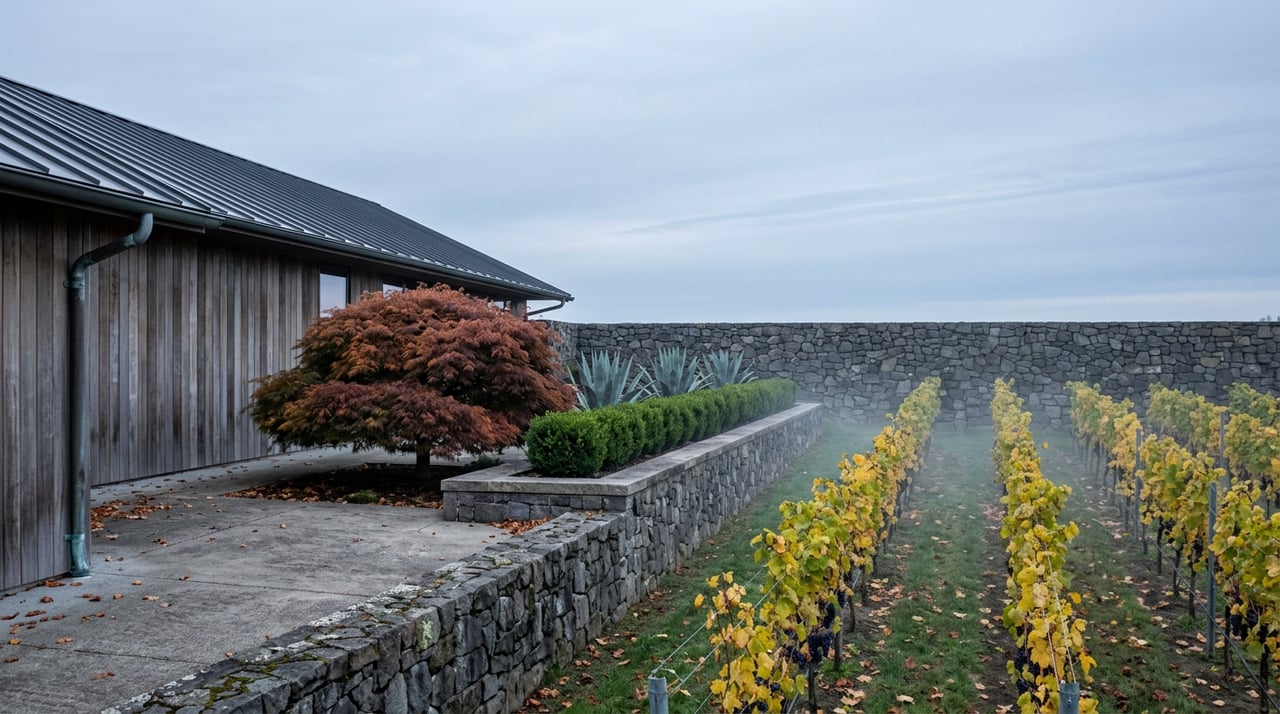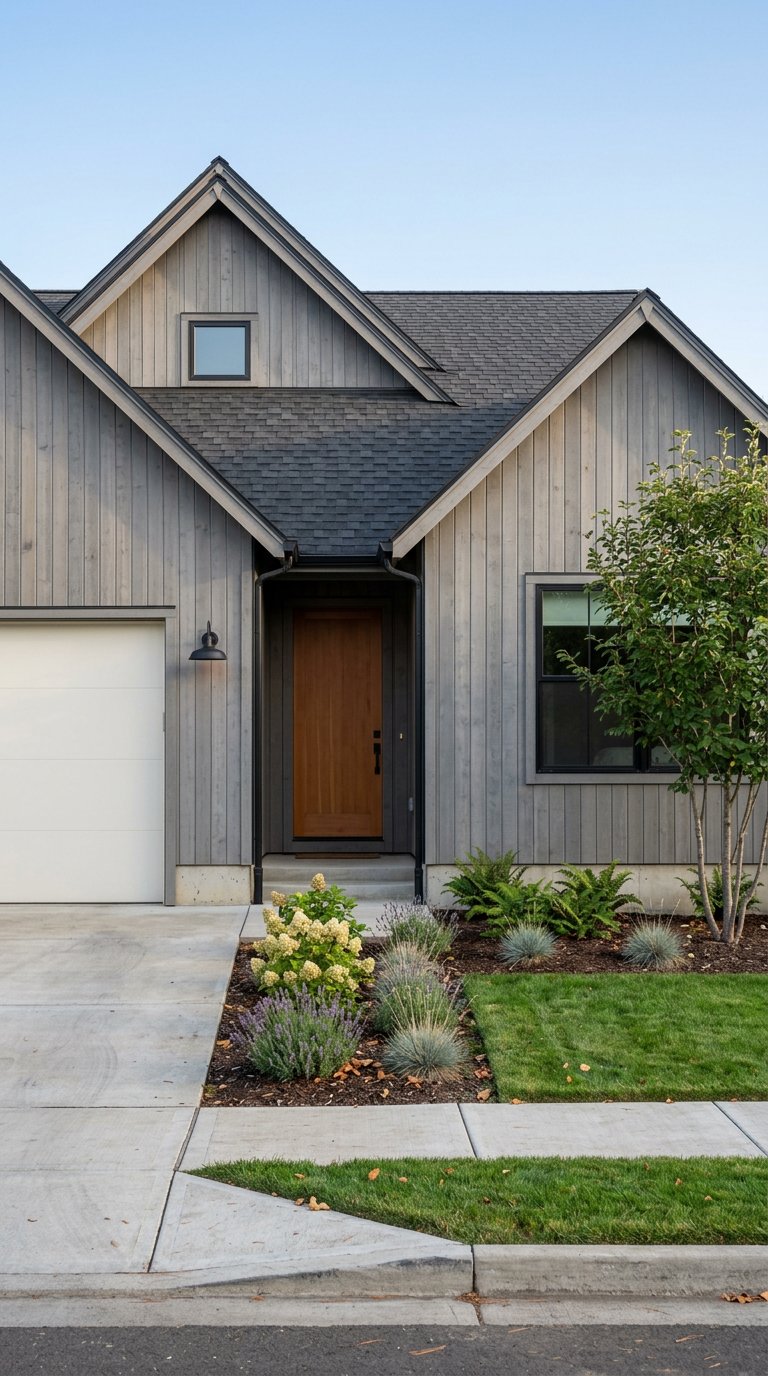
Selling in a wine-country market is different. Buyer traffic ebbs and flows with tourism, event calendars, and even harvest season. If you want a strong sale in McMinnville, you need a plan that pairs data with local timing and presentation. In this guide, you’ll learn how to price, prep, and position your home so you stand out with the right buyers at the right time. Let’s dive in.
Market snapshot: McMinnville vs. county
McMinnville’s city market and the wider Yamhill County market do not always move in lockstep. Recent snapshots put McMinnville’s median around the mid‑$400Ks, while county medians have ranged roughly $475K to $585K depending on the month and data source. The difference often comes down to housing mix in the county, which includes more acreage, newer move‑up homes, and vineyard‑adjacent properties.
Across Yamhill County, conditions shifted from a hyper‑seller’s market toward a more balanced one in 2024–2025. Regional reporting showed inventory trending near 3 to 4 months and average total market time clustering around about 50 to 75 days, depending on season. That means buyers have more choice than they did a few years ago, and you’ll want to price and present with intention. For seasonal context and month‑of‑listing data, review the latest RMLS Market Action report for the region so your pricing reflects what’s happening right now.
Timing your sale with events
Tourism is a powerful demand driver in McMinnville and the Willamette Valley. Visitor spending in the region reached roughly $2.6 billion in recent reporting, which supports local restaurants, lodging, and services that buyers love. That same visitor flow can also complicate showings on event weekends, so timing matters.
Spring momentum
Spring typically brings more buyer activity and fresh listings. If you want to catch the broadest audience of local buyers, a well‑prepared spring launch can work in your favor. You’ll still want to watch the calendar for major events that might affect traffic and availability.
Summer and harvest
Summer and early fall can be excellent windows to showcase outdoor living, views, and vineyard context. McMinnville hosts the International Pinot Noir Celebration in late July on the Linfield University campus, plus popular events like the UFO Festival, the Wine + Food Classic, farmers markets, and the Yamhill County Fair. Harvest activity peaks in September and October, which can make your landscaping, patios, and sunset views especially compelling in photos and at twilight showings.
Showing tactics
On big event weekends, plan for heavier in‑town traffic and visitors filling local lodging. If you list during these windows, coordinate open‑house hours around event schedules, and have your agent encourage private showings on weekdays for serious buyers. Provide clear parking and access notes in your listing to reduce friction.
Property positioning by type
Different McMinnville properties attract different buyer motivations. Tailor your marketing to what matters most for each.
Downtown cottages
In‑town cottages and historic homes near Third Street appeal to buyers who want a walkable wine‑country lifestyle. Highlight proximity to restaurants, tasting rooms, the farmers market, and Linfield University events. The McMinnville Downtown Historic District is nationally recognized, so include clear, neutral notes about the district context and any known benefits or constraints. Staging that emphasizes dining, patios, and garden spaces, plus an accurate floor plan and strong interior photos, will help these homes shine.
View and edge homes
Edge‑of‑town properties with ridge or vineyard views sell the lifestyle: space, sunsets, outdoor rooms, and proximity to wineries. Invest in drone and twilight photography to capture what makes your setting special. Be transparent about road type and maintenance responsibility, and include typical drive times to downtown services and well‑known event venues buyers may recognize. Clarity builds trust and reduces back‑and‑forth after showings.
Rural and acreage
Small acreage and vineyard‑adjacent properties often sit in county agricultural zones like EFU, where non‑farm uses can be restricted or conditional. If your land includes vines or agricultural activity, be prepared to discuss permitted uses and any known history or approvals. Private wells, septic systems, and private roads are common and can trigger lender requirements, so you can reduce friction by assembling recent well tests, septic pump or inspection records, and any road‑maintenance agreements. FHA, VA, and USDA loans have specific property standards for water and sanitation; lining up documentation early keeps timelines on track.
Short‑term rentals and rules
If you operate a short‑term rental, verify your permit status before you list. McMinnville tightened STR standards after a citywide moratorium, including spacing rules, local manager requirements, and neighborhood notification. Permits are often not transferable at sale, which means you usually cannot market a home “as an STR” for the next owner. Confirm the details with current city guidance, and disclose what applies to your property.
Pricing strategy and timing
In a more balanced market, strategy matters. Well‑priced, well‑presented homes still sell quickly, while overpriced listings tend to linger. Recent reporting suggests you should expect roughly 6 to 10 weeks on market in many Yamhill micro‑markets unless price and condition are competitive. Anchor your list price to a current CMA using month‑of‑listing RMLS data, and calibrate for seasonality and property type. If you’re deciding between spring and late‑summer/early‑fall, weigh showability, event calendars, and the lifestyle your property sells best.
Also remember that city and county medians diverge due to different housing mixes. Set your pricing based on direct comps for your neighborhood and property type, not countywide averages that include acreage and vineyard properties.
Pre‑listing checklist
Use this prioritized checklist to prepare for a smooth sale and stronger offers:
- Legal and disclosure
- Complete Oregon’s Seller’s Property Disclosure Statement (SPDS) per ORS 105.464/105.465 and deliver it on time. Consider addenda for private well and septic, and include any road‑maintenance agreements. Late delivery can create a buyer revocation right, so confirm timing with your agent.
- Systems and records
- Collect septic pump and inspection records, well test or capacity reports, utility bills, permits for additions or ADUs, and any vineyard yield or contract details if applicable.
- Proactive inspections
- For rural or older homes, consider a pre‑listing inspection covering roof, foundation, HVAC, electrical, plumbing, septic, and water quality. Addressing items before listing can reduce renegotiations later.
- Photo and listing kit
- Hire a photographer familiar with wine‑country marketing. Include drone shots for views, twilight exteriors, a virtual tour, and a simple map showing walkability to downtown and drive times to event venues and essentials. For cottages, lead with walkability; for views, lead with outdoor living.
- Wildfire risk
- If you’re in a rural or west‑facing ridge area, reference Oregon’s wildfire hazard tools. Consider defensible‑space cleanup and ember‑resistant maintenance, and be ready to discuss insurance with buyers if risk levels are high.
- STR status
- If relevant, verify whether your STR permit exists and whether it will transfer. Include permit details and local tax registration in your disclosure packet.
Buyer questions to prep for
You can anticipate a few common questions in McMinnville and Yamhill County. Being ready with documents and clear, neutral answers keeps buyers engaged and confident.
- Is this home in the historic district, and what does that mean for exterior changes? Prepare a simple map and a brief overview of any known alteration processes or incentives, and keep the tone factual.
- Are there agricultural or winery‑related uses nearby? Disclose known farming operations and share neutral information about land‑use rules for EFU zones if your property is affected.
- What does the SPDS say about well, septic, or moisture? Have test results and maintenance records ready to share.
- Can I use VA, FHA, or USDA financing? Many rural homes qualify, but lenders may require well and septic documentation. Encourage early coordination among the buyer, lender, and your agent to keep timelines tight.
- What about property taxes? Provide recent tax statements and direct buyers to county resources for valuation and appeal processes if they have questions.
Your next step
Selling in McMinnville’s wine country rewards strategy. When you blend data‑driven pricing with timing, thoughtful prep, and marketing that speaks to lifestyle, you give buyers a clear reason to act. If you want a hands‑on partner who understands wine‑country nuances and brings a white‑glove experience at any price point, connect with Chandler Willcuts. Let’s position your home to shine and move you confidently to what’s next.
FAQs
What is the best time to sell in McMinnville’s wine country?
- Spring brings broad buyer activity, while late summer and early fall can showcase outdoor living and vineyard views; plan around major events that affect traffic.
How do local festivals affect open houses and showings?
- Big weekends like IPNC can boost out‑of‑town interest but complicate scheduling, so consider weekday showings and carefully timed open houses.
What should I disclose about wells and septic on rural properties?
- Share recent well tests, septic pump or inspection records, and any road‑maintenance agreements; these help with FHA/VA/USDA loan requirements.
Can I market my home as a short‑term rental in McMinnville?
- Often no; STR permits are commonly non‑transferable at sale, so verify your permit status and disclose details before listing.
How long do homes take to sell in Yamhill County?
- In a more balanced 2024–2025 market, many homes take about 6 to 10 weeks when priced and presented competitively; check current RMLS data for your month.
References and helpful links:
- For month‑of‑listing market data, see the regional RMLS Market Action report: latest market report
- For tourism context, review Willamette Valley visitor spending
- For event timing, check International Pinot Noir Celebration and Visit McMinnville
- For STR rules, see McMinnville’s short‑term rental standards
- For historic‑district context, reference the Downtown Historic District report
- For EFU land‑use case context, see Oregon Court of Appeals reference
- For FHA property standards, review minimum property standards overview
- For wildfire risk guidance, consult state hazard mapping guidance
- For county tax and valuation resources, visit Yamhill County Assessor information