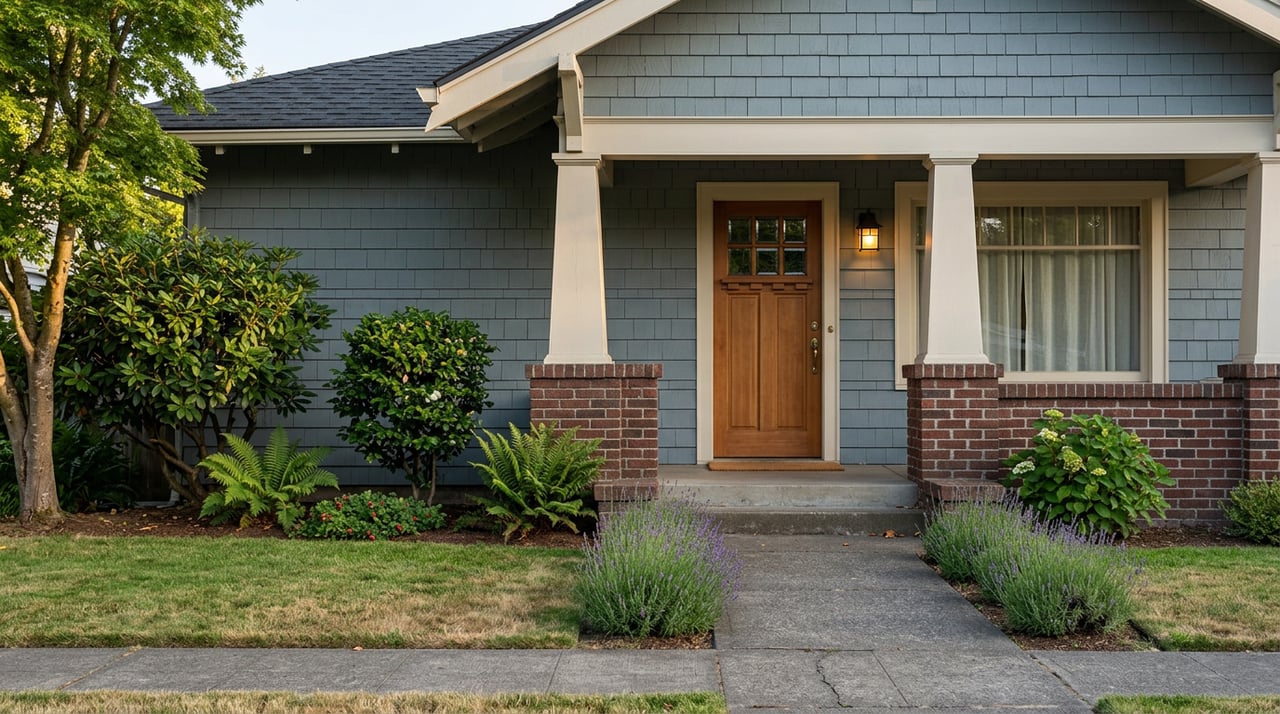
Love the charm of a vintage McMinnville home but worried about hidden rules, repairs, or red tape? You are not alone. Historic houses in Yamhill County can be smart investments if you understand how designation, inspections, permits, and financing work. This guide walks you through what to check, who to call, and how to budget so you can buy with confidence and preserve what makes the home special. Let’s dive in.
Why McMinnville’s history matters
McMinnville maintains a robust local preservation program with roughly 500 properties on its Historic Resources Inventory. That matters because exterior changes may be reviewed before you get permits. Start by skimming the City’s overview of historic preservation and approvals to understand the basics of maintenance versus alteration. You will move faster if you know what work may trigger review.
Downtown McMinnville is a National Register district listed in 1987. If you buy in or near the district, plan for review of visible exterior changes. The City’s Historic Landmarks Committee (HLC) meets regularly and issues Certificates of Approval for certain work. Checking the property’s HLC history will help you avoid surprises later.
Confirm designation and rules
Check the City inventory
Use McMinnville’s Historic Resources Inventory to see if a home is listed and how it is classified. Ask the seller for any prior Certificates of Approval and design decisions. If you are unsure how to read the record, City planning staff can help you interpret it.
- City preservation overview and approvals: McMinnville Historic Preservation
- Property records and classifications: Resource Inventory
Understand maintenance vs alteration
Routine upkeep is generally treated differently from changes that alter design or materials. As a rule of thumb, any exterior work visible from the street may require review. When in doubt, call planning staff before you design or bid the project.
Know the HLC’s role
The HLC reviews applications for alterations, moving, and demolition of designated resources. You can browse agendas and examples to see the types of projects the HLC has approved in the past. If you expect to change windows, siding, porches, or add new features, talk with staff early about the likely path. Visit the Historic Landmarks Committee page to learn more.
Research the property history
City and county records
Ask the City for the property’s inventory record, old photos, and any HLC decisions. Then pull the chain of title, recorded easements, and permits from Yamhill County. The county’s site is a great place to start for ownership history and tax details. Begin with Yamhill County property records.
Maps and photos
Historic maps and photographs can confirm original footprints and materials. Sanborn fire insurance maps and local historical society collections often show how a property changed over time. These visuals are helpful if you plan to restore missing features.
State and National Register
If the home is individually listed or contributes to a National Register district, you may find nomination forms with detailed histories and photos. Oregon SHPO provides guidance on National Register listings and documentation. Check the Oregon National Register guidance for background.
Plan inspections and tests
Older homes deserve a deeper inspection plan. Hire a general inspector with experience in historic houses, then schedule specialists as needed. Expect a longer due diligence period and budget extra for testing.
Structure, moisture, and safety
Start with the big systems. Look for roof age and flashings, drainage and gutters, and foundation or crawlspace moisture. If you see wide cracks, sagging floors, or settlement, consider a structural engineer.
Electrical, plumbing, and sewer
Knob-and-tube wiring, undersized panels, and ungrounded outlets are common in older homes. Insurance carriers may surcharge for certain legacy wiring types, so get an electrician’s estimate for safety upgrades. For plumbing, older galvanized supply lines and cast-iron drains may be near end of life. Always order a sewer-scope to check for root intrusion or collapsed sections before you commit to the purchase.
Lead, asbestos, and radon
If the home was built before 1978, assume lead-based paint may be present. Renovation that disturbs paint can trigger the EPA’s Renovation, Repair and Painting (RRP) rules. Read the EPA’s summary of the Lead Renovation, Repair and Painting Rule and hire certified pros when required. For suspect materials that might contain asbestos, plan testing before any demolition or major disturbance. Radon testing is optional but common in older basements.
Permits and code flexibility
Plan your permit path before you finalize designs. The City distinguishes ordinary maintenance from reviewed alterations, and the HLC typically reviews visible exterior work. If your project uses state or federal funds, or involves ground disturbance, additional review may apply. In many cases, existing and historic building code provisions provide safe alternatives that preserve original materials. A quick call with planning and building staff can clarify options and save time.
Financing and incentives
You have several ways to pair purchase and rehab funding:
- FHA 203(k). This program wraps purchase and renovation into one loan, with Limited and Standard options. Review eligible work and documentation on the FHA 203(k) page and confirm current requirements with your lender.
- Conventional renovation loans. Fannie Mae’s HomeStyle Renovation can fund many permanent, code-compliant improvements for owner-occupied and second homes, subject to underwriting.
- Federal Historic Rehabilitation Tax Credit. A 20% credit may apply to income-producing certified historic structures. Owner-occupied primary residences generally do not qualify. See the National Park Service’s tax incentive eligibility and consult your tax professional.
- Oregon historic property special assessment. Oregon’s program can provide property tax assessment benefits for qualifying historic properties that meet preservation commitments. Review ORS 358 and application timelines at ORS 358.487. Program details change, so check the page for current eligibility and windows.
- Energy rebates. McMinnville Water & Light and statewide programs often offer rebates for insulation, heat pumps, duct sealing, and more. These can reduce the cost of comfort upgrades in older homes. Review current offerings through McMinnville Water & Light rebates.
Budget and project priorities
Protect the house first, then polish. Focus on roof, drainage, foundation, and major mechanicals before cosmetic work. A dry, stable structure prevents repeat repairs and protects original features. Next, prioritize safety upgrades like electrical service and essential plumbing repairs.
When it comes to original materials, repair-in-kind is usually best. Many sash windows can be repaired and weatherized, and historic siding can often be patched. If replacement is unavoidable, match the original look and profile so the home remains compatible with local design expectations. Keep a paper trail of decisions and City communications.
Buyer checklist
Use this quick list from pre-offer through closing:
- Confirm if the home is listed on the City’s Historic Resources Inventory and ask for any Certificates of Approval. Start at the Resource Inventory.
- Pull county records for ownership history, easements, and taxes. Use Yamhill County property records.
- Write inspection contingencies that allow specialist testing. Plan for electrical review, sewer-scope, lead and asbestos testing when relevant, and structural assessments as needed.
- If you anticipate exterior changes, contact City planning staff early and review the Historic Landmarks Committee process.
- Explore purchase-plus-rehab financing such as FHA 203(k) or HomeStyle Renovation. If the property is income-producing, consider the federal rehabilitation tax credit. For state benefits, review ORS 358.487. Check each program page for current terms.
Ready to tour historic homes?
A successful historic purchase mixes heart and homework. With the right due diligence, you can preserve the character you love and make smart upgrades that fit your budget. If you want a hands-on guide who knows the local process and how to navigate inspections, permits, and renovation financing, reach out to Chandler Willcuts for white-glove buyer representation.
FAQs
What does McMinnville’s Historic Landmarks Committee review?
- The HLC reviews applications for alterations, moving, and demolition of designated resources and issues Certificates of Approval for visible exterior work.
How do I check if a McMinnville home is historic?
- Search the City’s Historic Resources Inventory for the address and ask planning staff to confirm classification and any past approvals.
What inspections should I order for an older McMinnville home?
- Start with a full home inspection, then add electrical review, sewer-scope, pest evaluation, structural assessment if needed, and lead or asbestos testing for pre-1978 homes.
Do federal historic tax credits help owner-occupied homes?
- Generally no; the federal rehabilitation tax credit applies to income-producing certified historic structures, not most primary residences.
Can I finance purchase and renovation in one loan?
- Yes; options include FHA 203(k) and conventional products like Fannie Mae’s HomeStyle Renovation, subject to lender guidelines and eligible improvements.