Thinking about a move in Newberg but not sure which neighborhood is the right fit? You’re not alone. Choosing where to live shapes your daily routine, from commute and school routes to parks, dining, and weekend plans. This guide gives you a simple, local framework to compare Newberg neighborhoods with confidence and find the one that matches your lifestyle. Let’s dive in.
How to use this guide
If you’re relocating or moving up within Newberg, start by defining what matters most: home type, commute, school needs, access to parks, and overall feel. Then use the checklists and links below to research two to four target areas. Finally, test your assumptions with on-the-ground visits at the times you’d actually use the neighborhood.
You’ll find an overview of common Newberg neighborhood types, a step-by-step evaluation checklist, and authoritative local resources. Save this page and work through it section by section. A calm, methodical approach will help you make a clear decision.
Newberg neighborhood types
Downtown and historic core
Downtown centers on older homes near shops, tasting rooms, coffee, and cultural spots. You’ll see Craftsman and Victorian-era homes mixed with small multifamily and commercial blocks. The appeal is walkability to dining and community events. Consider that older homes can have smaller lots and systems that may need updates, and activity can be higher near the commercial core.
Suburban subdivisions and planned communities
You’ll find many newer single-family homes with consistent streetscapes and cul-de-sacs. These areas often offer modern floor plans, open kitchens, and attached garages. Some subdivisions include homeowners associations with rules and dues. If an HOA is present, review covenants and any architectural guidelines to ensure they match your preferences.
Hillside and vineyard-adjacent areas
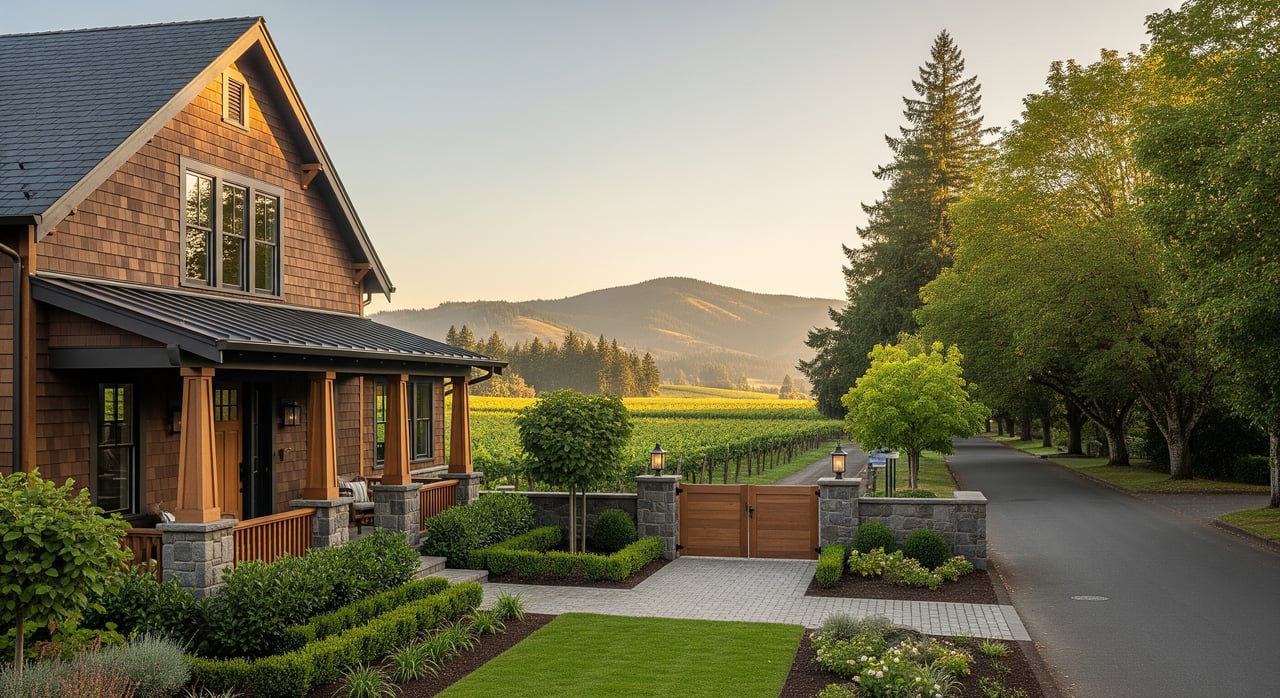
On the edges of town, some homes sit on slopes or enjoy views near vineyards and open space. These locations offer a quieter, more rural feel with scenic vistas. Driveways can be steeper, and walkability is more limited. Check for potential natural-hazard exposure and whether a property uses septic rather than city sewer.
Rural acreage and agricultural edge
Properties on larger lots provide more privacy and space for gardens or hobby uses. You’ll trade proximity to downtown for room to spread out. Confirm utilities and consider travel time for errands, schools, and healthcare. Also verify zoning and any restrictions that may affect your plans.
Your evaluation checklist
Use this checklist to compare two to four neighborhoods side by side. Keep notes for each item so you can make a clear final choice.
Housing and lot details
- Home type and age: Confirm year built, common floor plans, and whether single-level options are available if that matters to you.
- Lot size and setbacks: Review parcel size and future build potential or constraints.
- Condition: For older homes, plan thorough inspections for foundation, roof, wiring, and plumbing.
- Utilities: Confirm sewer vs septic, natural gas availability, municipal water, and broadband options.
- HOA: Note dues, rules, and how they’re enforced, if applicable.
Commute and transportation
- Main routes: OR-99W is a primary corridor through town; understand how it affects your daily travel.
- Real commute testing: Use Google Maps to simulate AM and PM peak trips to work, school, and childcare.
- Parking and storage: Check garage size, driveway length, and on-street parking policies.
- Access to services: Time your routes to grocery, pharmacy, and medical offices during your typical errand hours.
Schools and childcare
- Boundaries: Verify assigned schools for any address with the Newberg School District.
- Programs: Review district pages and consult third-party resources like GreatSchools for program details and data.
- Daycare and activities: Map travel time to childcare, sports fields, arts programs, and tutoring.
Parks, recreation, and green space
- Nearby parks: Identify neighborhood parks for daily play and larger regional options for weekends.
- Trails and open space: Note proximity to trailheads and outdoor recreation.
- Community amenities: Check the city’s facilities, libraries, and event calendar to see how often you’ll use them.
Dining, shopping, and services
- Everyday needs: Time your drive or walk to grocery stores, coffee, and pharmacies.
- Dining scene: Evaluate your distance to downtown restaurants and tasting rooms and whether weekend activity aligns with your preferences.
- Healthcare: Map routes to clinics and hospital services.
Costs and financing considerations
- Home prices and taxes: Capture a current snapshot from local market data and county records.
- Insurance: Ask your insurer for quotes and check if a property sits in a mapped flood or wildfire risk area.
- Utilities and HOA dues: Include monthly services and any HOA fees in your budget.
Safety and hazard exposure
- Natural-hazard checks: Review FEMA flood maps and wildfire risk information before you write an offer.
- Noise and traffic: Visit at commute and weekend peak times to gauge vehicle noise and tourism-related flow.
- Lighting and visibility: Walk the block in the evening to assess lighting and sightlines.
Future development and zoning
- City plans and projects: Look for planned road work, rezoning, or new subdivisions.
- School capacity: Monitor enrollment updates that could influence future boundaries or facilities.
Where to get current, local data
Use these trusted sources for up-to-date information as you compare areas:
- City services and planning: Explore the City of Newberg for planning, parks, and active projects. This helps you spot upcoming improvements and changes that can shape neighborhood life.
- Schools and programs: Confirm boundaries and programs with the Newberg School District. If you want a quick snapshot of school data, consult GreatSchools alongside district info.
- Property taxes and parcels: Check parcel lines, ownership, and tax details with the Yamhill County Assessor.
- Traffic and highways: Review travel advisories and corridor information through the Oregon Department of Transportation. Then simulate real trips with Google Maps during the hours you’d actually commute.
- Walkability: Get a block-by-block read using Walk Score to compare the convenience of downtown and other areas.
- Flood risk: Search an address on the FEMA Flood Map Service Center to see if flood insurance may be required.
- Wildfire risk: Learn about statewide risk and mitigation at the Oregon Department of Forestry, and discuss property-specific questions with your insurer.
A simple side-by-side matrix
Create a quick comparison table in your notes or spreadsheet with these fields:
- Neighborhood name or area
- Typical home types and age
- Lot size range
- HOA and dues
- Assigned schools
- Commute time to workplace (AM/PM)
- Walk score or general walkability
- Distance to grocery, parks, and downtown
- Parking and garage details
- Utilities (sewer or septic, gas or all-electric, broadband options)
- Natural-hazard flags (flood, wildfire, steep slope)
- Future development notes
- Overall lifestyle fit notes
This matrix helps you weigh tradeoffs clearly, like a more walkable location versus a larger lot or newer construction.
Next steps to feel confident
- Drive your top three neighborhoods during rush hour and on a busy weekend. Note traffic, parking, and noise.
- Park and walk a few blocks. Count how many minutes it takes to reach a park, coffee, or a grocery store.
- Visit during the evening. Assess street lighting, activity levels, and how it feels after dark.
- Verify all key details. Confirm school assignments with the district, check parcel and tax data with the county, and run hazard checks with FEMA and ODF.
- Review HOA documents early if applicable. Understand rules and costs before you fall in love with a home.
- Line up inspections tailored to the property type. For older or hillside homes, ask your agent about extra due diligence.
When you work a clear plan and use trusted local sources, the right Newberg neighborhood becomes an easy choice. If you want a curated tour of areas that fit your wish list, a local broker can save you time and help you compare options apples-to-apples.
Ready to explore? Reach out to Chandler Willcuts for a tailored neighborhood game plan, local resources, and a white-glove search experience from first tour to keys in hand.
FAQs
How do I compare commute times in Newberg?
- Use Google Maps to simulate AM and PM peak trips from a specific address, and review corridor info on the Oregon Department of Transportation site.
Are there public transit options in Yamhill County?
- Public transit service is available in the county; check schedules and routes from local providers and factor those options into your commute plan.
How can I verify school boundaries for a Newberg address?
- Confirm assignments directly with the Newberg School District and review program details alongside third-party data from GreatSchools.
What should I know about wildfire and flood risk around Newberg?
- Search the FEMA Flood Map Service Center for flood zones and review wildfire information from the Oregon Department of Forestry; share results with your insurer.
Do Newberg neighborhoods have HOAs?
- Some planned communities include HOAs, so request the covenants, rules, and dues early to confirm they align with your lifestyle and budget.
Is downtown Newberg walkable?
- Downtown offers the highest concentration of shops and dining, and you can gauge block-by-block convenience with Walk Score and a quick neighborhood walk test.