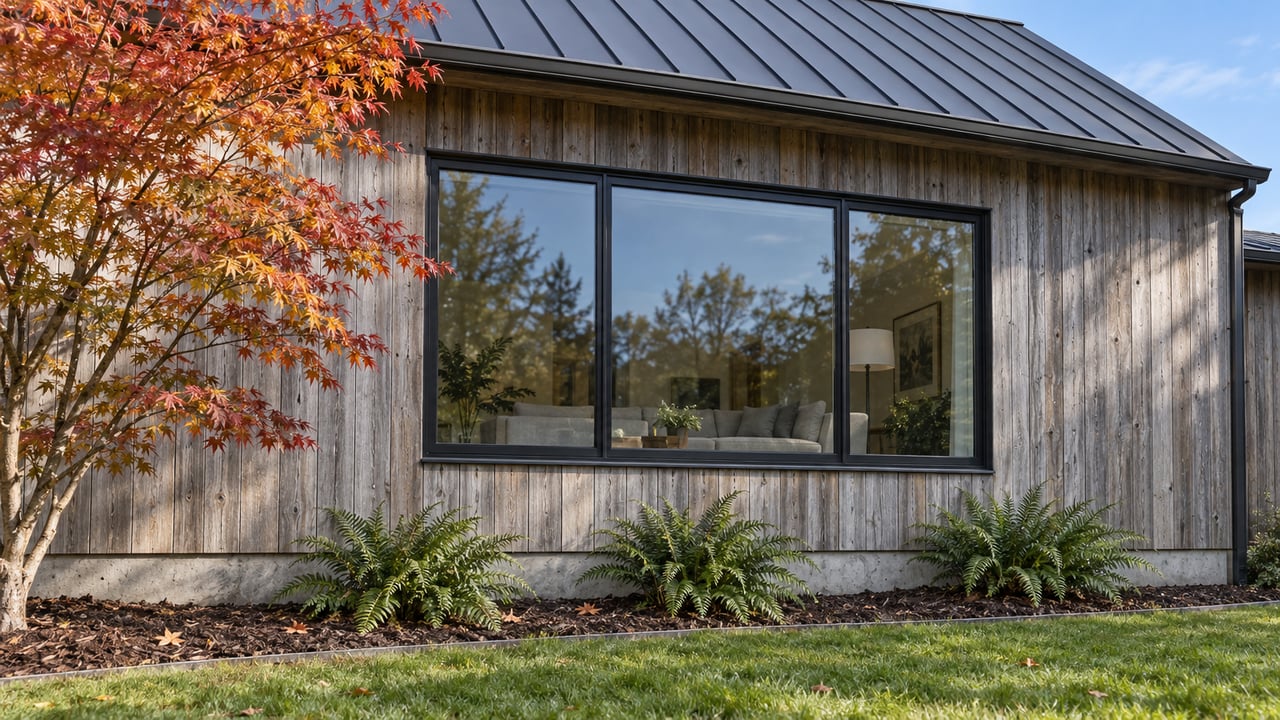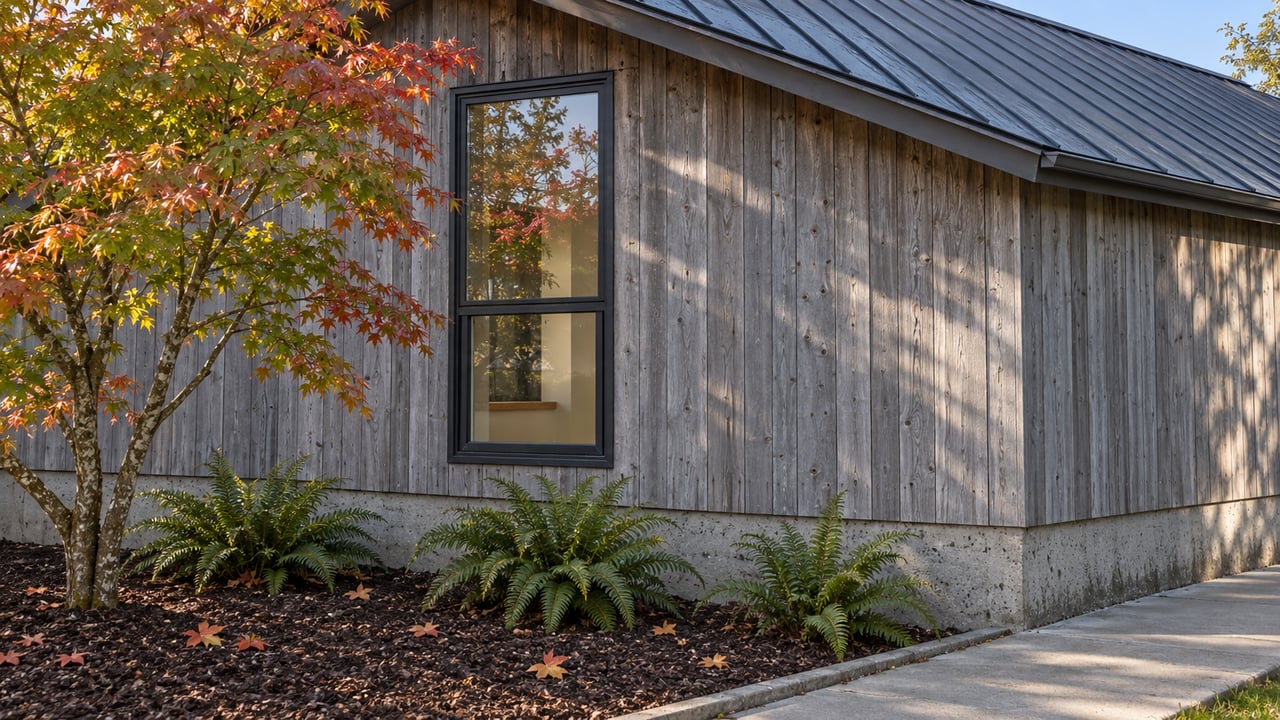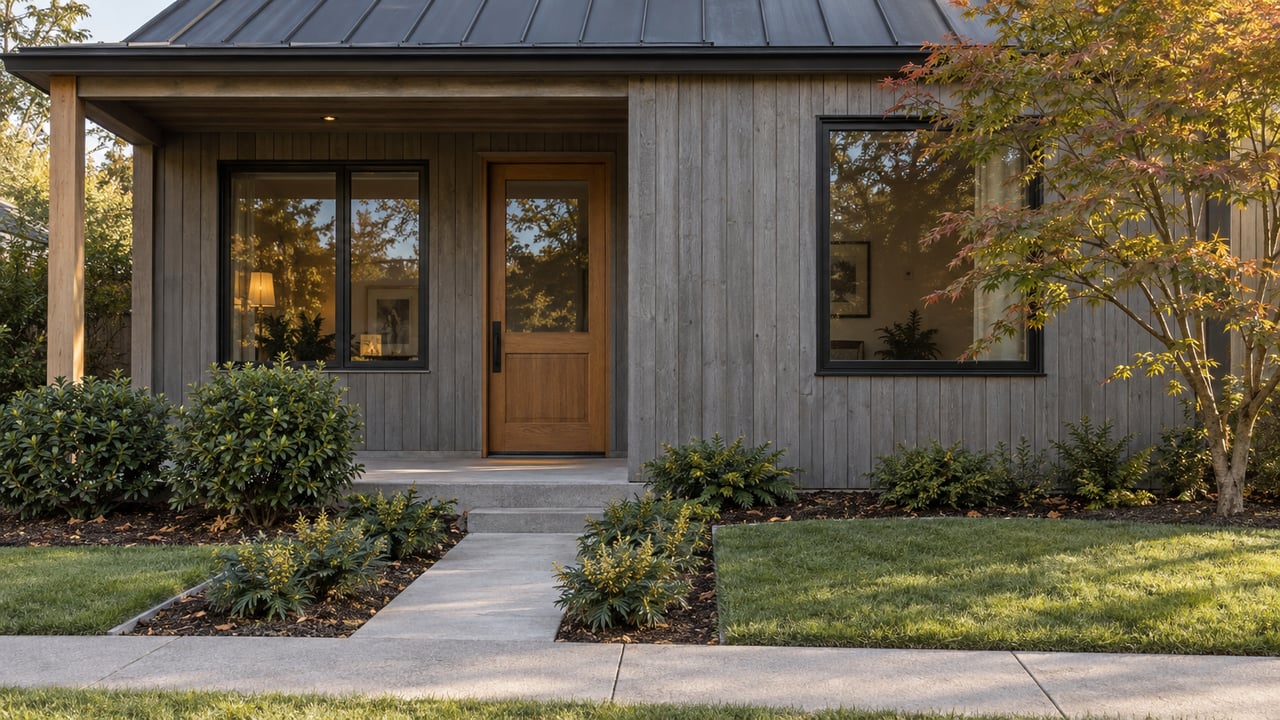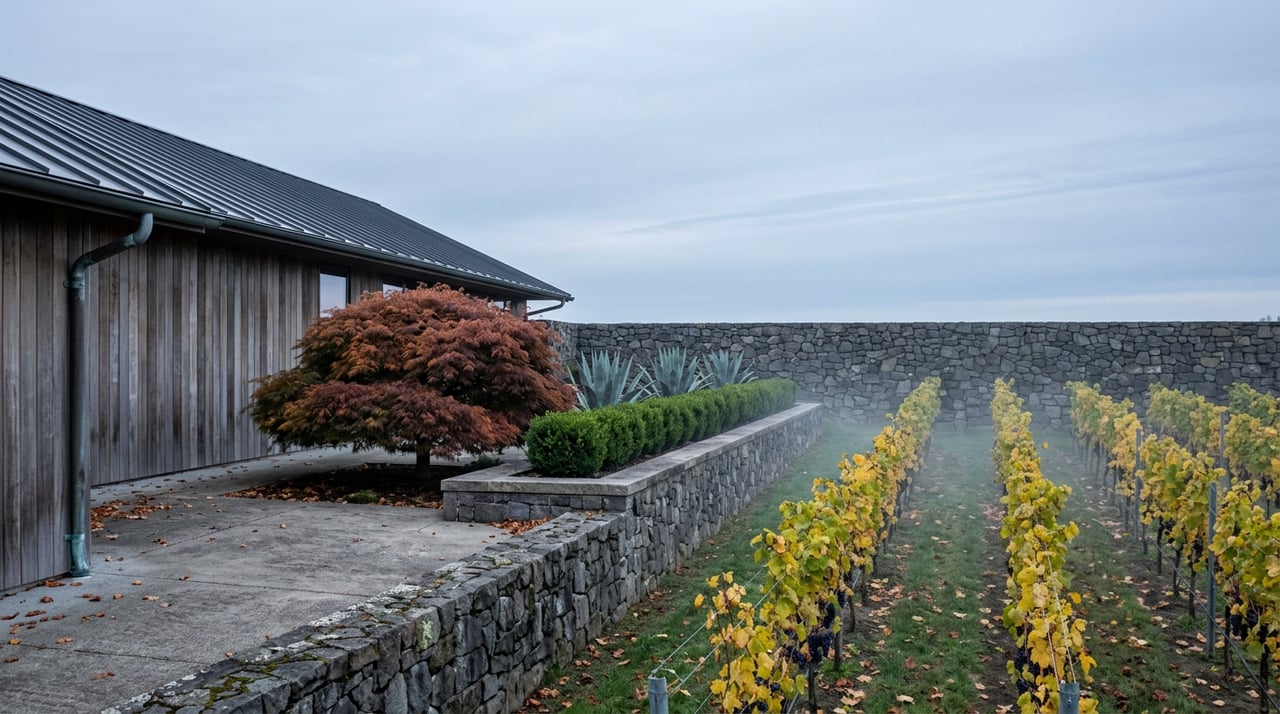
Thinking about selling your Newberg home but not sure where to start? You want a clear plan, the right price, and a smooth closing with no last-minute surprises. This playbook walks you through each step from prep to closing, tailored to Newberg and greater Yamhill County. You’ll learn how to time your sale, prepare your home, price with confidence, market effectively, and close cleanly. Let’s dive in.
Know the Newberg market
Newberg attracts a mix of buyers, including commuters to the Portland metro area, lifestyle seekers drawn to Willamette Valley wineries, and those who prefer small-town amenities near downtown and George Fox University. Inventory ranges from in-town homes to rural acreage. Understanding who is likely to buy your home helps guide pricing and marketing.
Seasonality matters. Many temperate markets see peak activity in spring and early summer, which can influence buyer traffic and days on market. Local events, the winery harvest calendar, and school schedules can also affect showings. Plan photos when landscaping looks its best and avoid peak harvest traffic when scheduling open houses.
For up-to-date stats like days on market and inventory, your agent can pull recent data from the local MLS for Newberg and Yamhill County. That micro-level view is essential for timing and price.
Map your timeline and goals
Start with your end date in mind. If you need to buy and sell, clarify whether you want to close the purchase before, during, or after your sale. Your plan will guide pricing, prep, and negotiation choices.
Gather key documents early. Collect your deed, recent tax statements, HOA documents if applicable, utility bills, permits, warranties, and receipts for improvements. These will simplify disclosures and support buyer due diligence.
Ask for a comparative market analysis from a local expert. A CMA will frame your likely price range and help you decide if strategic repairs or staging will improve your net proceeds.
Prep your home the smart way
Consider pre-listing inspections that match your property. A general home inspection is often useful, and you may add pest, roof, HVAC, chimney, sewer, or septic and well evaluations where applicable. A pre-listing inspection can reduce surprises and speed negotiations.
Prioritize repairs with clear ROI. Address safety issues, roof leaks, and major mechanical failures first. Cosmetic updates like paint, lighting, and minor kitchen or bath refreshes often help photos and in-person impressions.
Make your home show-ready. Declutter, depersonalize, and enhance curb appeal. Book professional photography and a virtual tour. For acreage or vineyard-adjacent properties, include aerials and twilight shots to highlight setting and lifestyle.
Price with purpose
Price is your most powerful marketing tool. Recent comparable sales over the last 3 to 6 months, competing active listings, and market velocity indicators like days on market all inform your strategy. Homes with standout features such as views, acreage, or energy upgrades may command a premium.
Choose a strategy that fits your goals. Pricing at market value draws strong interest. Pricing slightly under can generate more showings and possibly multiple offers in low-inventory pockets. Listing too high often leads to longer days on market and lower net after reductions.
Prepare for the appraisal if your buyer uses financing. Your agent can assemble a comparable sales packet to support value and reduce appraisal risk when your price pushes the top of the range.
Listing and marketing must-haves
Your MLS listing should feature accurate details, compelling copy, and professional photography. Add floor plans and a virtual tour to boost online engagement. For properties on acreage, include aerials and clear lot depictions.
Syndication will expose your home across major consumer sites via the MLS. Local agent exposure through broker tours or agent opens can also help drive qualified showings.
Plan for smooth showings. Use a lockbox and showing software. Keep a simple checklist: clear walkways, neutral scents, open blinds, lights on, and pets secured. Make utility access easy for inspectors and appraisers.
Evaluate offers with confidence
Look beyond price to net proceeds and certainty of close. Consider your payoff, closing costs, any requested credits, and how each offer’s terms affect your bottom line and timeline.
Weigh financing strength. Cash can close faster but may aim for a discount. Conventional loans typically move smoothly, while government-backed loans can have specific appraisal and condition expectations. Lender reputation and documentation speed matter.
Scrutinize contingencies and timelines. Shorter inspection, financing, and appraisal windows usually strengthen an offer. Also review earnest money, closing date, and any requested seller-paid costs or rent-back terms.
Negotiate with a plan. You can counter on price, timing, or non-price terms like possession and repairs. Stay accurate and thorough with disclosures to avoid post-closing issues.
From offer to closing
Most financed transactions close in about 30 to 45 days from mutual acceptance, though timing can vary with inspections, appraisal, title work, and payoffs. Cash sales can close faster.
Common seller costs include agent commission, mortgage payoff and lien releases, prorated property taxes and HOA dues where applicable, title and escrow fees, recording fees, and any agreed credits or a home warranty. Your agent and escrow officer can prepare a net sheet tailored to your sale.
Understand taxes. Many sellers who meet ownership and use tests can exclude up to 250,000 dollars in gains if single or 500,000 dollars if married filing jointly, subject to current IRS rules. Oregon taxes income and generally includes capital gains; speak with a tax professional about your situation. A 1031 exchange typically applies to investment property, not a primary home.
Expect a final walkthrough 24 to 48 hours before closing to confirm condition and repairs. Provide keys, remotes, warranties, manuals, and any HOA documents to escrow or the buyer as directed. If you need extra time after closing, arrange a written rent-back or occupancy agreement that details timing, insurance, and rent.
After closing, notify utilities and service providers of move-out, set up mail forwarding, and keep copies of all closing documents and receipts for your records.
Newberg-specific checks and disclosures
Complete Oregon’s Seller’s Property Disclosure form. Disclose known material facts and property conditions.
For homes built before 1978, provide federal lead-based paint disclosures and the required pamphlet, and disclose any known lead hazards.
If your property uses a septic system or a private well, confirm Yamhill County requirements for transfer, maintenance, and disclosures. Keep repair and service records handy.
If any work was done without permits, disclose what you know. Buyers often check permit history with the City of Newberg Planning and Building Department.
If your property is near agricultural operations, share what you know about seasonal activities or easements. Buyers of rural homes expect transparency about farming activity.
Radon is possible in parts of the Willamette Valley. Be prepared for a test request during inspection, or consider testing ahead of time.
Check FEMA flood maps to see if your property is in a floodplain and be ready to answer buyer questions about insurance needs.
Quick seller checklist
- Pre-listing, 2 to 8 weeks out: order a CMA; set your price range; gather documents; schedule pre-listing inspections as needed; handle safety and major repairs; plan paint, landscaping, and staging; book pro photos and a virtual tour.
- Listing week: finalize MLS input and remarks; confirm photo day when landscaping shines; prepare a disclosure packet; set showing instructions; secure valuables and plan for pets.
- Under contract: provide inspection access; respond quickly to repair requests or consider a credit; furnish documents requested by the buyer’s lender and title; confirm payoff and closing dates.
- Closing and move: coordinate the final walkthrough; transfer keys, remotes, and manuals; verify utility readings; store closing documents; set mail forwarding.
Why list with Chandler
You deserve a white-glove experience at any price point. With 600-plus lifetime sales and deep Newberg roots, Chandler delivers seasoned strategy, tailored marketing, and steady communication from prep to closing. Whether you are selling in-town, on acreage, or a higher-end property, you get a plan built around your goals and timeline.
Get a custom home valuation, a room-by-room prep plan, and a clear path to your next move. Ready to talk strategy? Connect with Chandler Willcuts for your free consultation and valuation.
FAQs
Best time to sell in Newberg
- Many temperate markets see strongest activity in spring and early summer; align photos and open houses with curb appeal and local event calendars.
How long a Newberg sale takes
- Timelines vary by price, condition, and financing, but many financed sales close in about 30 to 45 days once under contract.
Value of a pre-listing inspection
- It can surface repairs early, reduce renegotiation risk, and give buyers confidence, which often keeps your closing on track.
Typical seller closing costs in Oregon
- Expect commission, mortgage payoff, prorated taxes and dues, title and escrow fees, and any agreed credits; request a custom net sheet for accuracy.
Capital gains when selling your home
- If you meet ownership and use tests, you may exclude up to 250,000 dollars single or 500,000 dollars married filing jointly; consult a tax professional.
Disclosures for Newberg sellers
- Complete Oregon’s Seller’s Property Disclosure and share known facts, including permits, pre-1978 lead rules, septic or well details, and any agricultural or floodplain considerations.