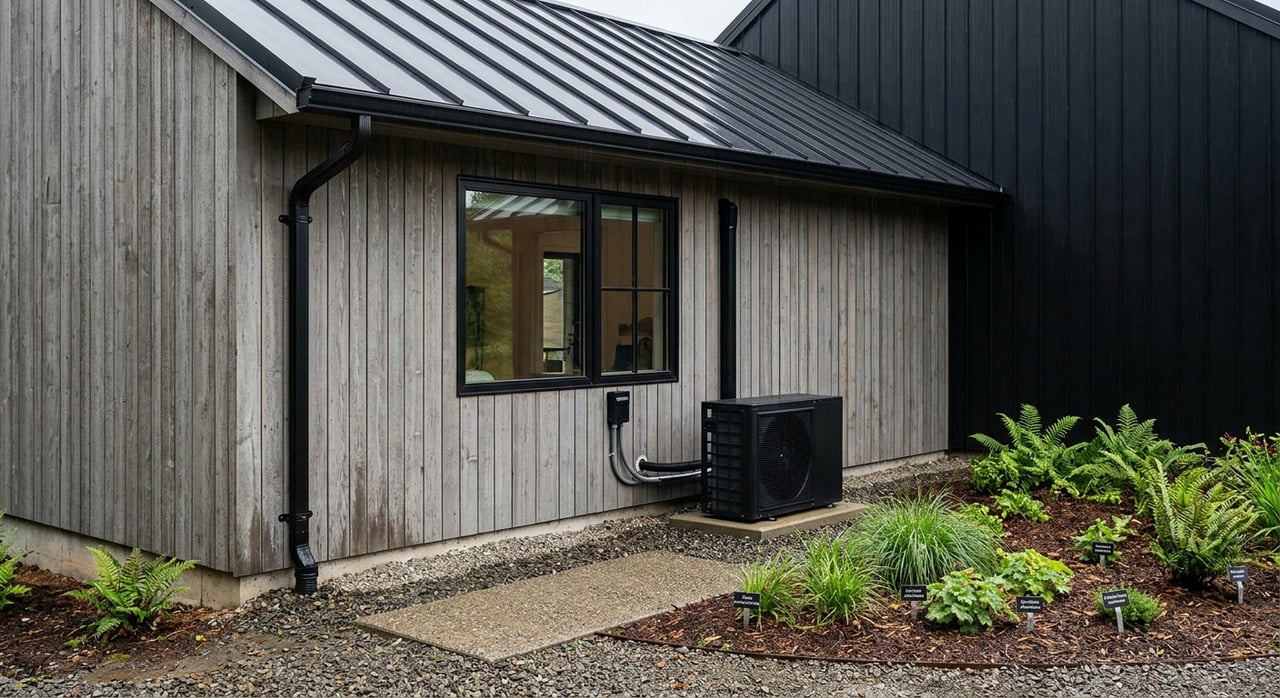
If you own a home in Yamhill, you already know the weather does not stay in one lane for long. Wet winters, dry summers, and plenty of shade can put real stress on your roof, gutters, drainage, yard, and indoor air if you are not staying ahead of basic upkeep. The good news is that a simple seasonal plan can help you protect your home, avoid bigger repair bills, and keep your property looking its best. Let’s dive in.
Why Seasonal Maintenance Matters in Yamhill
Yamhill homes sit in a climate pattern that makes timing especially important. Oregon State University describes the Willamette Valley as having cool, dry summers and mild, wet winters, while nearby climate normals show rainfall is heavily concentrated in late fall and winter, with very little rain in July and August. That means your home needs to be ready for both water management in the rainy season and watering discipline in the dry season.
In practical terms, the biggest maintenance themes in Yamhill are drainage, roof and gutter care, irrigation, and moisture control. These are not just cosmetic issues. According to Oregon State University’s guidance on moss, moisture and shade can shorten roof life over time, especially when moss is allowed to build up.
Spring Home Maintenance in Yamhill
Spring is your reset season. After months of rain, this is the time to check for damage, dry out problem areas, and get your home ready for warmer weather.
Inspect Roof and Gutters
Start outside by looking at your roof, gutters, and downspouts. ENERGY STAR recommends cleaning gutters in both spring and fall, and the EPA also advises regular gutter cleaning to help prevent moisture problems around the home.
Look for:
- Clogged gutters or downspouts
- Overflow areas near the foundation
- Loose or damaged roofing materials
- Moss buildup in shaded sections of the roof
If you notice moss, remember the long-term solution is not just removal. OSU notes that reducing shade and keeping the roof drier over time is the best way to limit future growth.
Check Drainage Around the Foundation
Spring is also the right time to walk your property after a rainstorm. The EPA recommends making sure the ground slopes away from the foundation and addressing wet areas quickly. If water is pooling near your home, that is a sign you may need to improve drainage before the next wet season.
Pay close attention to:
- Low spots near the foundation
- Splash zones under downspouts
- Muddy or soggy lawn areas
- Damp crawlspace or basement conditions
Service Cooling Systems Early
Before summer heat arrives, schedule your annual cooling-system checkup. ENERGY STAR’s maintenance checklist recommends a spring HVAC inspection, along with monthly filter inspection, cleaning, or replacement.
The U.S. Department of Energy also notes that dirty filters reduce airflow and efficiency. If you have a heat pump or air conditioner, spring is a smart time to clear debris around outdoor equipment and make sure registers and vents are unobstructed.
Refresh Lawn and Garden Areas
Spring is one of the busiest yard seasons in western Oregon. OSU’s seasonal gardening guidance says this is a good time to prepare beds, fertilize lawns, overseed where needed, and tackle de-thatching or turf renovation if your lawn struggled over winter.
It is also a useful time to prune spring-blooming shrubs after flowering and stay on top of slug control. In Yamhill, damp spring conditions can make both moss and pest pressure more noticeable, so early action can save you time later.
Summer Home Maintenance in Yamhill
Summer in Yamhill is usually dry, which changes the focus from water removal to smart water use. This is when irrigation, HVAC performance, and exterior upkeep matter most.
Water Lawns and Plants Wisely
OSU says many high-maintenance lawns in western Oregon need supplemental irrigation from about mid-May through early September, with July and August being the highest-demand months. At the same time, lower-maintenance lawns can often go dormant and recover when fall rain returns.
To water more efficiently:
- Water early in the morning
- Water deeply and less often
- Use mulch to reduce evaporation
- Give newly transplanted trees and shrubs about 1 inch of water per week during dry periods
This matters even more for Yamhill properties with larger yards, acreage, or exposed sun. A good irrigation routine helps you protect landscaping without wasting water.
Keep HVAC Running Efficiently
Your cooling system works harder in summer, so simple maintenance goes a long way. The Department of Energy’s air conditioner maintenance guidance recommends keeping filters clean and clearing debris from outdoor coils and surrounding areas.
If you use a heat pump, DOE also advises using the auto fan setting and following the manufacturer’s filter schedule, while ENERGY STAR recommends checking filters monthly. Consistent filter changes can improve airflow, help efficiency, and support better indoor comfort.
Watch Indoor Moisture
Even in summer, moisture control still matters. The EPA recommends using bath fans, venting moisture-producing appliances, fixing leaks quickly, and keeping humidity below 60 percent when possible.
That can be especially helpful if parts of your home stay cool or shaded. Condensation and poor ventilation can still lead to mold issues, even when the weather outside feels dry.
Tidy Exterior Features
Summer is a great time to handle smaller projects that are easier in dry weather. You might touch up peeling paint, inspect caulking around doors and windows, or clean up overgrown landscaping that traps moisture against siding.
This is also a good moment to look at roof shade patterns. If tree limbs are keeping sections of the roof damp, selective trimming may help reduce future moss problems.
Fall Home Maintenance in Yamhill
Fall is your preparation season. Before the rains return, you want your home, yard, and systems ready for months of wet weather.
Clean Gutters Again
If you do only one exterior task in fall, make it this one. Gutter cleaning is part of the recommended spring-and-fall maintenance cycle from ENERGY STAR, and it is especially important in a place like Yamhill where winter rainfall ramps up quickly.
Clear gutters and downspouts before leaves pile up. Make sure water is moving away from the home and not backing up near the roofline or foundation.
Winterize Irrigation Systems
Fall is the key time to shut down sprinkler systems before freezing weather arrives. The EPA advises winterizing irrigation by shutting off the water supply and draining the lines, and OSU’s western Oregon seasonal calendar places irrigation blow-out and valve insulation in October.
A basic fall irrigation checklist includes:
- Shut off the irrigation water supply
- Drain or blow out lines
- Insulate exposed valve mechanisms
- Check for damaged sprinkler heads
This step can help you avoid cracked lines and repair costs in colder weather.
Prepare Heating Systems
Just as cooling systems should be checked in spring, heating systems should be serviced before winter. ENERGY STAR recommends a fall pre-season heating inspection so you are not discovering problems on the first cold week of the year.
This is also a good time to replace filters, test thermostat settings, and make sure vents are clear. A little prep can improve comfort and reduce strain on your system.
Improve Drainage and Plant for Fall
OSU notes that fall is a good time to improve lawn drainage before the rains begin. If you had soggy spots in spring, now is the time to address them while the ground is still workable.
Fall can also be a strong planting window for trees, shrubs, bulbs, and other landscape plants. For many homeowners in Yamhill, it is one of the best times to refresh the yard before winter sets in.
Winter Home Maintenance in Yamhill
Winter in Yamhill is all about moisture management. This is when leaks, condensation, moss, and drainage issues tend to show up fast.
Stay Ahead of Water Intrusion
During heavy rain, keep an eye on your roofline, ceilings, windows, and lower-level spaces. The EPA recommends drying wet or damp materials within 24 to 48 hours and fixing leaks quickly to help prevent mold.
Watch for signs like:
- Water stains on ceilings or walls
- Damp smells in enclosed areas
- Condensation on windows
- Wet spots in crawlspaces, basements, or utility areas
The faster you respond, the less likely a small issue becomes a larger repair.
Control Indoor Humidity
The EPA also recommends keeping indoor humidity below 60 percent when possible. In winter, everyday activities like cooking, showering, and drying clothes can push moisture levels up, especially when windows stay closed.
To help manage humidity:
- Run kitchen and bath exhaust fans
- Vent moisture-producing appliances properly
- Use dehumidification as needed
- Address plumbing leaks right away
These steps can improve comfort and help reduce the risk of mold and condensation.
Monitor Roof Moss and Shade
Moss is a common issue in the Pacific Northwest, and winter is when it often becomes more noticeable. According to OSU’s roof moss guidance, moss traps moisture and debris, which can shorten roof life over time.
If you are seeing heavy buildup, think beyond cleaning alone. Shade reduction and better drying conditions are the bigger long-term strategies for many Yamhill homes.
Check Weather Stripping and Safety Devices
Winter is also a good time for a quick comfort and safety review. ENERGY STAR says weather stripping around doors and windows should be checked annually, and smoke and carbon monoxide detectors should be tested quarterly.
If your home uses a heat pump, the Department of Energy also advises not covering the outdoor unit in winter. Keeping equipment properly maintained and unobstructed helps it perform as intended.
A Simple Year-Round Yamhill Checklist
If you want a shorter version to follow through the year, focus on these core tasks:
| Season | Top Priorities |
|---|---|
| Spring | Clean gutters, inspect roof, check drainage, service cooling system, refresh lawn |
| Summer | Water deeply, monitor HVAC filters, reduce indoor humidity, trim back moisture-trapping growth |
| Fall | Clean gutters, winterize irrigation, service heating system, improve drainage |
| Winter | Watch for leaks, control humidity, monitor moss, check weather stripping and detectors |
Protect Your Home and Your Value
Seasonal maintenance is not just about chores. It is one of the simplest ways to protect your property, avoid deferred maintenance, and preserve long-term value in a Yamhill market where buyers pay attention to condition, drainage, and overall care.
If you are thinking about selling, staying on top of these basics can also make your home show better and reduce last-minute surprises. And if you are buying, this checklist gives you a practical way to care for your home from day one. If you want local guidance on preparing your property for the market or understanding what buyers notice most, connect with Chandler Willcuts.
FAQs
How often should gutters be cleaned on a home in Yamhill?
- Gutters should generally be cleaned in both spring and fall, and more often if nearby trees cause heavy buildup.
When should you winterize sprinklers in Yamhill, Oregon?
- You should shut off and drain or blow out irrigation lines before freezing weather arrives, with October being a common target window in western Oregon.
How often should HVAC filters be changed in a Yamhill home?
- ENERGY STAR recommends checking filters monthly, while DOE says some heat-pump filters should be changed every three months or as the manufacturer recommends.
What should homeowners know about roof moss in Yamhill?
- Roof moss is not just cosmetic because it holds moisture and debris, so long-term control usually depends on reducing shade and helping the roof dry more effectively.
How should homeowners manage indoor moisture during Yamhill winters?
- Fix leaks quickly, dry wet materials within 24 to 48 hours, use kitchen and bath fans, and keep indoor humidity below 60 percent when possible.