Dreaming about a place where your weekends slow down the moment you arrive? In Carlton, that idea feels especially real. If you want a second home in Oregon wine country that is close to Portland, easy to enjoy, and rooted in a true small-town setting, Carlton deserves a serious look. Here’s what to know before you buy, from lifestyle and property fit to budgeting and local vacation-rental rules. Let’s dive in.
Why Carlton works for second-home buyers
Carlton stands out because it feels like a real town first and a wine-country getaway second. The city describes itself as a small farming town with a vibrant downtown, right in the heart of Willamette Valley wine country. That gives you a setting with local character, not just a seasonal destination.
It is also close enough to support the classic weekend-home lifestyle. City and tourism materials place Carlton about 28 miles south of Portland and roughly 45 minutes away by car. For many buyers, that is close enough to leave after work on Friday and still enjoy most of the weekend.
Another major draw is walkability. Official tourism information highlights a downtown where you can park once and stroll between a dense cluster of walkable tasting rooms, cafés, and shops. If your goal is low-stress weekends without a long driving plan, Carlton checks that box.
What the Carlton lifestyle feels like
A second home should be easy to use, not another source of work. Carlton has the kind of rhythm that supports that idea well. Beyond wine tasting, the city highlights parks, an outdoor pool, downtown businesses, and recurring events like Carlton Crush Harvest Festival and Christmas in Carlton.
That matters because a good weekend town needs life beyond one activity. Whether you are visiting in harvest season or during a quieter month, Carlton offers a sense of community that helps your second home feel useful year-round. You are not buying into a place that only works during one narrow season.
For many buyers, the appeal is simple: arrive, settle in, walk downtown, and enjoy the pace. That ease is a big reason Carlton continues to attract people looking for a wine-country retreat without the feel of a large resort market.
What types of homes fit best
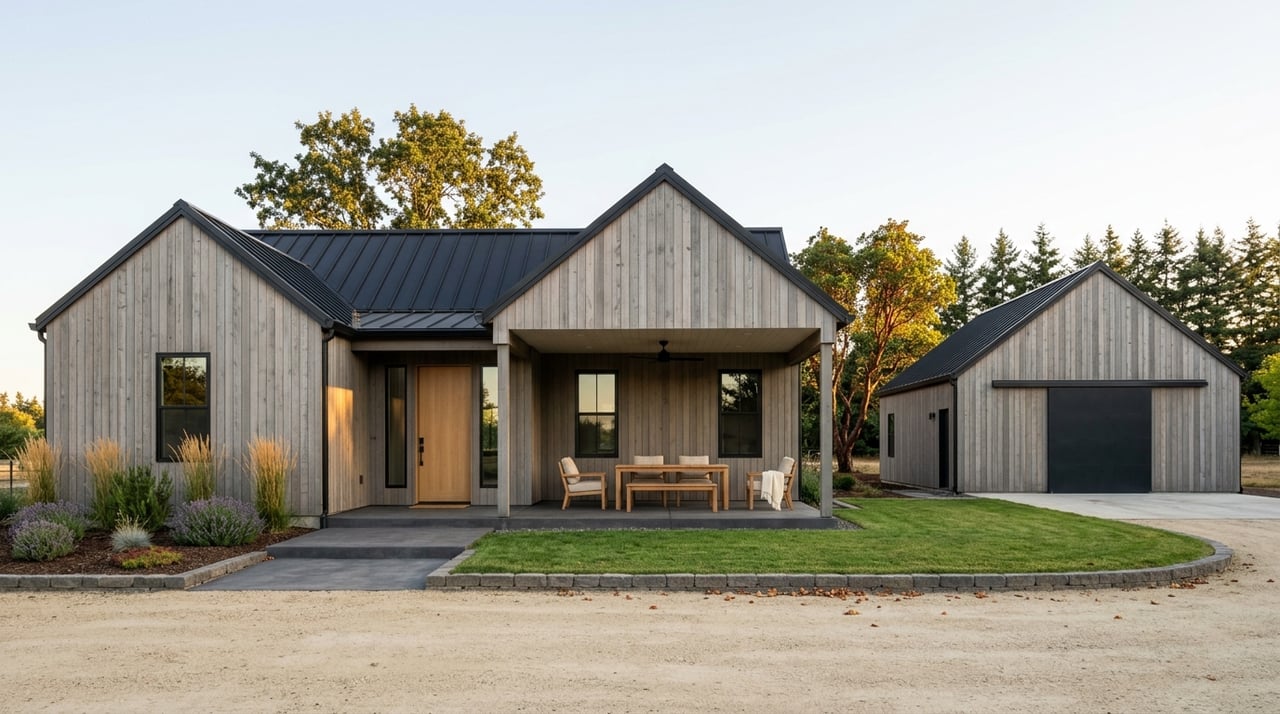
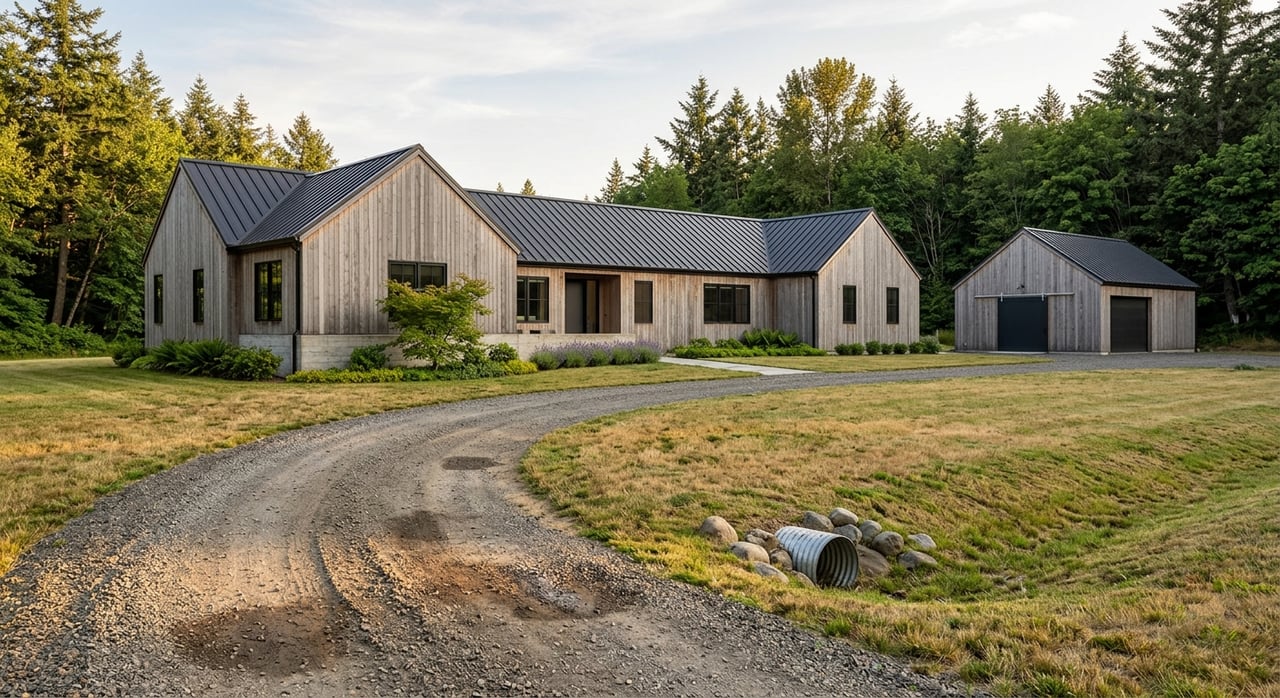
Carlton’s lodging patterns offer useful clues about what works well as a second home. Local stay listings commonly feature cottages, downtown lofts, farmhouses, and vineyard-side properties. Those home styles align naturally with the way many buyers want to use a weekend place.
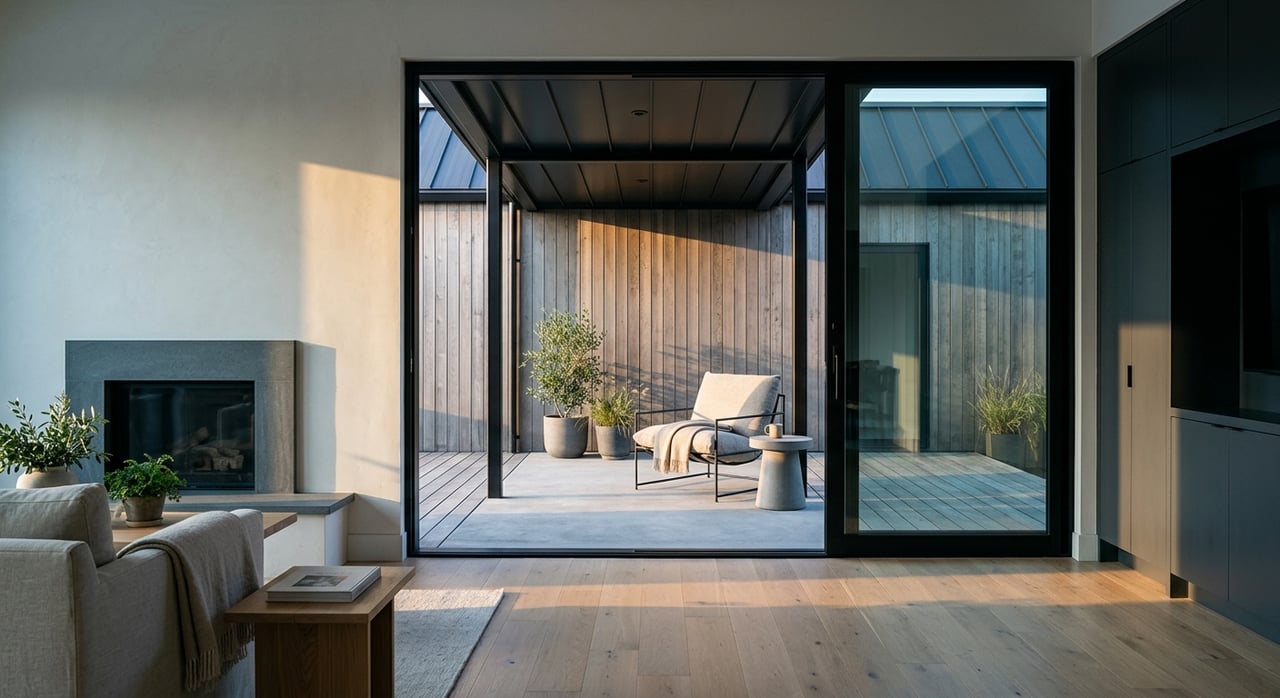
Features matter just as much as style. The local market shows strong appeal for homes with full kitchens, multiple bedrooms or suites, outdoor space, off-street parking, and reliable Wi-Fi. If you plan to host friends or family, those details can make the home more comfortable and more practical.
A second home in Carlton often works best when it feels flexible. You may use it for quiet weekends, holiday gatherings, or longer wine-country stays throughout the year. Properties that balance charm with simple upkeep usually make ownership easier.
Key questions to ask before you buy
Before you purchase a second home in Carlton, it helps to be clear about how you will actually use it. The answer affects everything from financing to property type to ongoing costs. A beautiful home is only a good fit if it supports your real habits and priorities.
Ask yourself:
- How often will you use the home each month or season?
- Do you want to walk to downtown, or would you prefer more privacy outside the core area?
- Will you host guests regularly?
- Do you want a low-maintenance lock-and-leave property or a larger home with more land to manage?
- Might you ever rent it out when you are not using it?
These questions can help narrow your search quickly. In wine country, lifestyle goals are important, but the best purchase usually comes from matching those goals with realistic ownership expectations.
Financing a second home in Carlton
A second home is not financed the same way as an investment property. For lending purposes, a second residence is generally one that you occupy for part of the year and that is not your primary residence. Fannie Mae guidance also says a second home must be a one-unit property, suitable for year-round occupancy, and not a timeshare or rental property by definition.
That distinction matters early in the process. If you do not occupy the property, it may be treated as an investment property instead. That can affect loan options, down payment expectations, and qualification standards.
On the cost side, many buyers need at least 3% down, and many loans require 5% or more. A 20% down payment can often lower loan costs and may help you avoid mortgage insurance. Closing costs commonly run about 2% to 5% of the purchase price before your down payment.
Your monthly payment will usually include principal, interest, taxes, and insurance, often handled through escrow. That means your true carrying cost is more than just the advertised loan payment. For second-home buyers, clarity up front is a big advantage.
Budget beyond the purchase price
One of the biggest mistakes second-home buyers make is focusing too much on the purchase and not enough on the setup. A weekend home should feel ready when you arrive. That often means spending on furniture, kitchen basics, linens, repairs, and small improvements soon after closing.
Reserve funds are also important. Fannie Mae defines reserves as liquid assets left after closing, and reserve requirements can vary by transaction and occupancy type. Even when not required, having extra cash available can make ownership much less stressful.
A practical Carlton second-home budget may include:
- Down payment
- Closing costs
- Property taxes
- Homeowners insurance
- Utility setup and monthly service
- Furnishings and housewares
- Repairs and improvements
- Cash reserves for surprises
If you are buying the home partly for hosting, guest-ready costs can add up fast. It is smart to treat those expenses as part of the acquisition plan, not as an afterthought.
Tax planning should stay in planning
Some buyers ask whether mortgage interest on a second home may be deductible. IRS Publication 530 says mortgage interest may be deductible when the loan is secured by a main home or second home, but only to the extent that loan proceeds were used to buy, build, or substantially improve the home.
That said, this is best treated as a planning conversation, not a guarantee. Tax outcomes depend on your full financial picture and how the property is used. If tax treatment is part of your reason for buying, it is wise to confirm the details before you close.
If you may rent it out sometimes
Some buyers want a true personal retreat. Others like the idea of occasional rental income when they are away. In Carlton, that can be possible, but you need to understand the local rules before you make plans around it.
Carlton has a dedicated vacation-rental chapter in its development code. The city requires a vacation-rental license before any rental begins, and licenses are issued to the owner for one year. They are also non-transferable when the property is sold.
The code also requires a local representative within the Carlton Urban Growth Boundary or a staffed property-management office within ten miles. In addition, vacation rentals must provide off-street parking, garbage service, and compliance with the city’s occupancy-tax ordinance.
From a financing standpoint, rental plans can matter too. Fannie Mae allows certain situations where a property may still be treated as a second home if you meet occupancy rules and do not use rental income to qualify. If occasional renting is part of your long-term thinking, that is something to discuss early, not after you are under contract.
Managing a home from a distance
A second home should give you freedom, not constant worry. If you will be away for stretches, Carlton offers some practical support that can make remote ownership feel more manageable. The Carlton Police Department offers a vacation-check program for owners who submit the required consent form.
The city also shares practical safety steps for homes left empty. These include using light timers, keeping alarms active, unplugging sensitive electronics, arranging lawn and mail service, and securing doors, windows, and garages. Those basics can go a long way in a lock-and-leave setup.
When you are comparing properties, think about ease of oversight as much as location. A home that is simple to secure, maintain, and check on may serve you better over time than one that looks perfect on paper but creates more work.
How to choose the right Carlton property
The best second home in Carlton is not always the largest or most dramatic one. It is the property that matches how you want to spend your time. For some buyers, that means being close to downtown for easy walks to tasting rooms and coffee. For others, it means more privacy, outdoor space, and a quieter setting.
As you evaluate options, focus on function first. Think about arrival ease, parking, maintenance level, year-round comfort, and how the home will feel when you host. In a second-home purchase, convenience is often what protects long-term enjoyment.
This is where local guidance matters. Carlton and the greater Willamette Valley attract a wide range of buyers, from casual weekend users to people searching for vineyard-adjacent lifestyle property. Having someone who understands the local inventory, property types, and practical tradeoffs can help you buy with more confidence.
If you are exploring a second home in Carlton, Chandler Willcuts can help you evaluate the right fit, understand the local market, and move forward with a white-glove approach that keeps the process clear and tailored to your goals.
FAQs
Is Carlton close enough to Portland for a weekend home?
- Yes. City and tourism materials place Carlton about 28 miles south of Portland and roughly 45 minutes away by car.
Can you walk to tasting rooms in Carlton?
- Yes. Official tourism information describes a walkable downtown where visitors can stroll between tasting rooms, cafés, and shops.
What types of Carlton homes work well as second homes?
- Cottages, lofts, farmhouses, and vineyard-side properties are all common fits for the second-home lifestyle in Carlton.
What should you budget for besides the mortgage on a Carlton second home?
- You should plan for down payment, closing costs, taxes, insurance, furnishings, repairs, improvements, and reserve funds.
Can you use a Carlton second home as a vacation rental?
- Possibly, but Carlton requires a vacation-rental license before any rental begins, along with compliance with local operating requirements.
How can you manage a Carlton second home when you are away?
- Carlton Police offers a vacation-check program, and the city recommends practical steps like light timers, alarm use, mail service, and securing doors and windows.