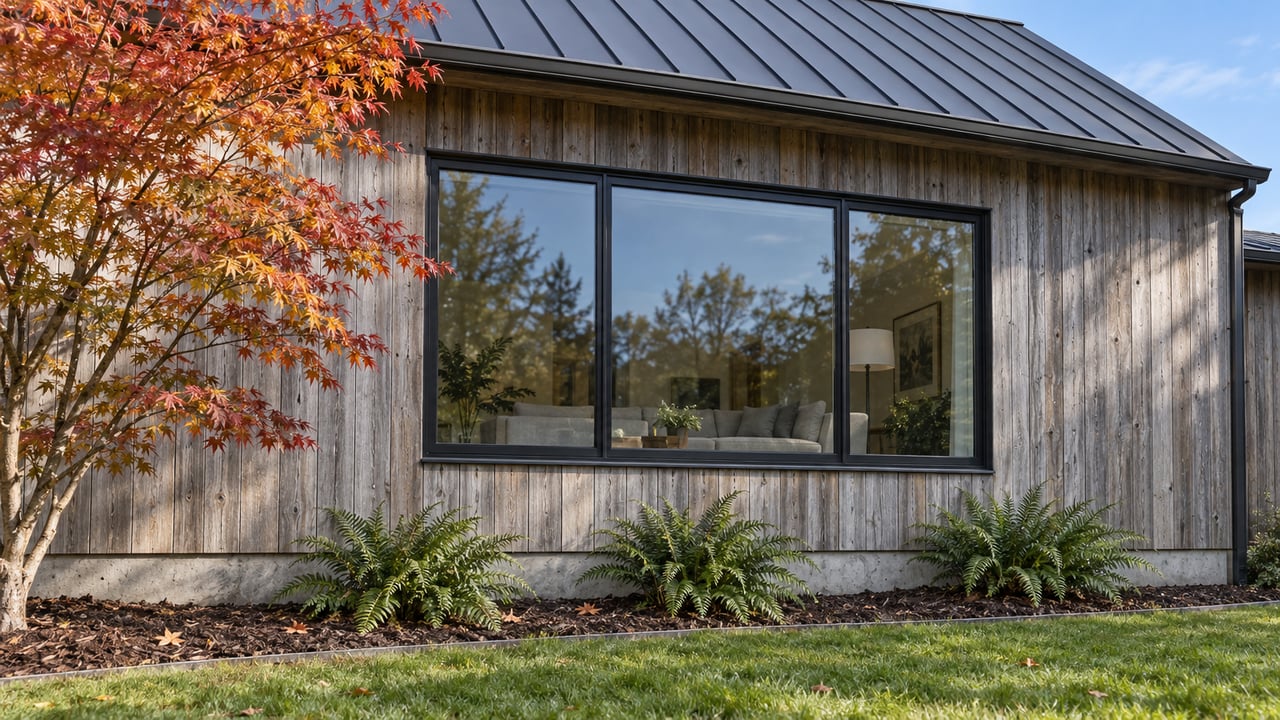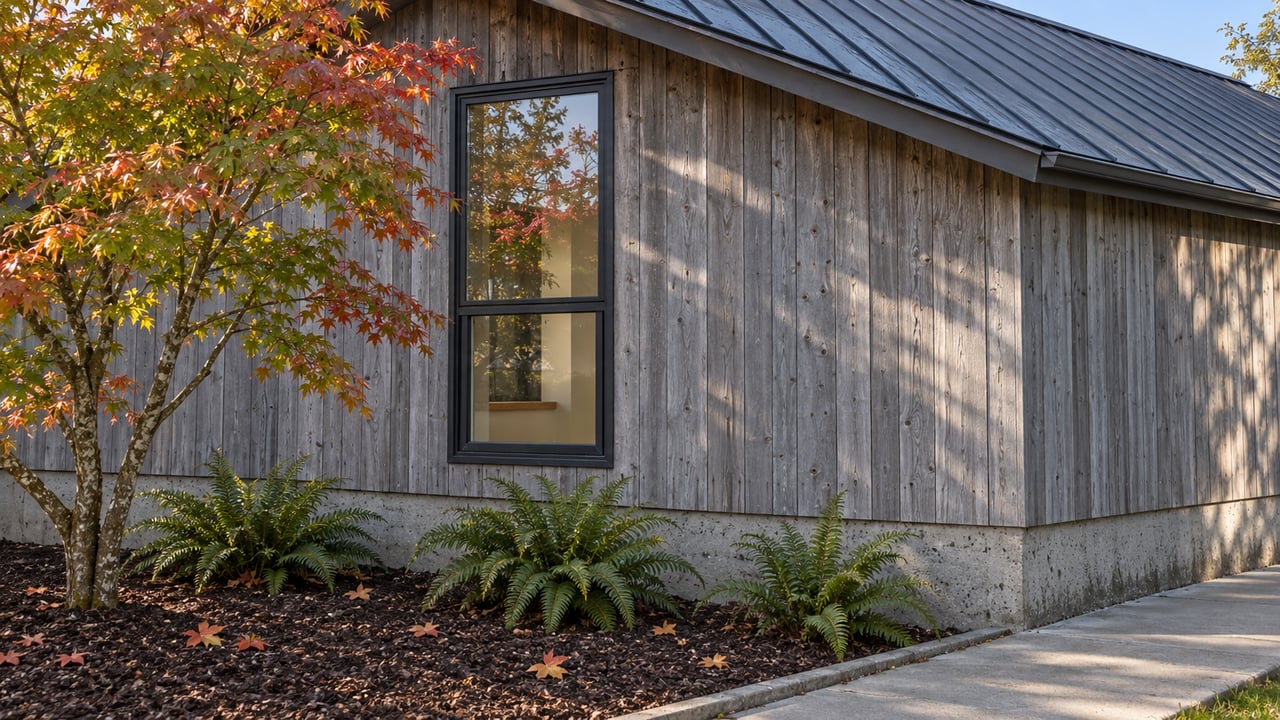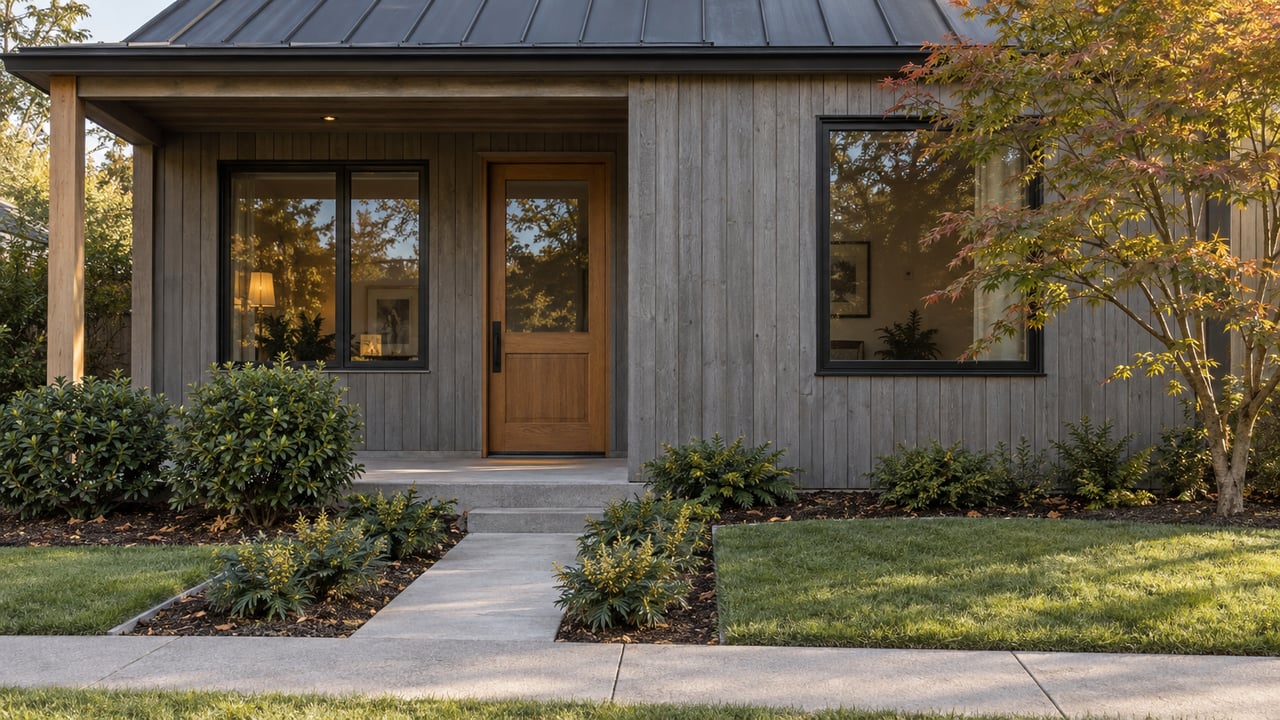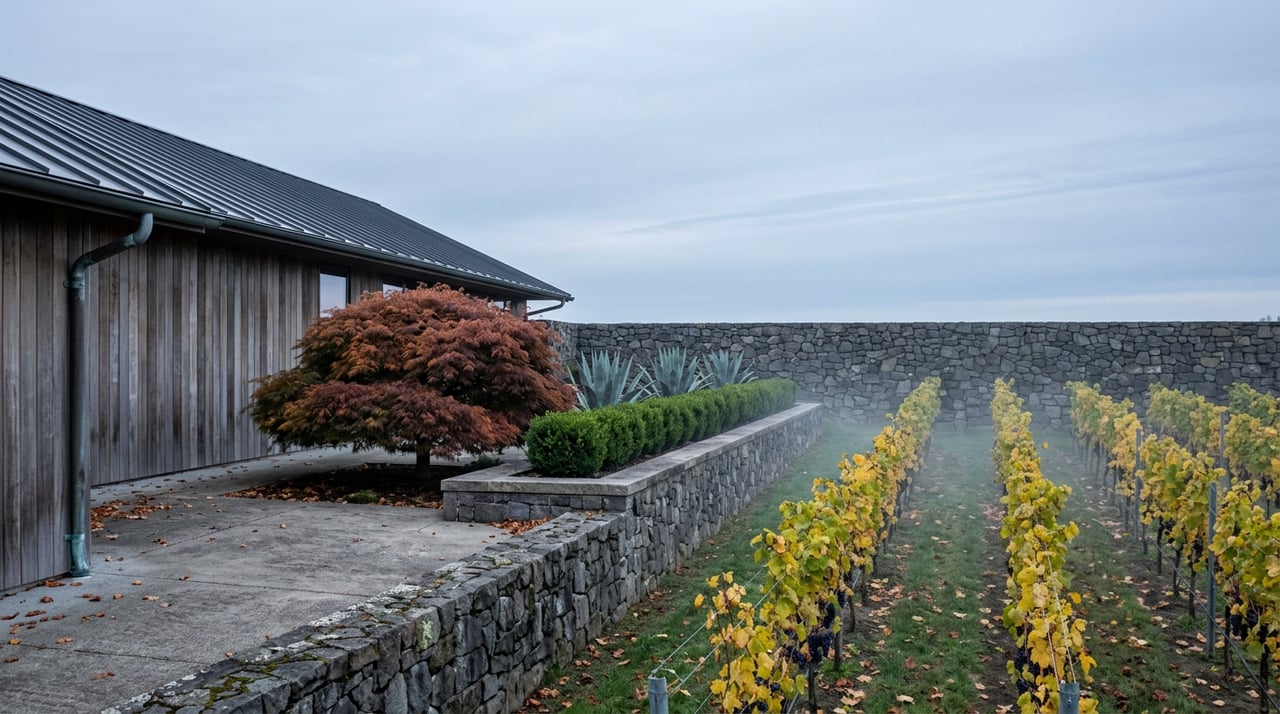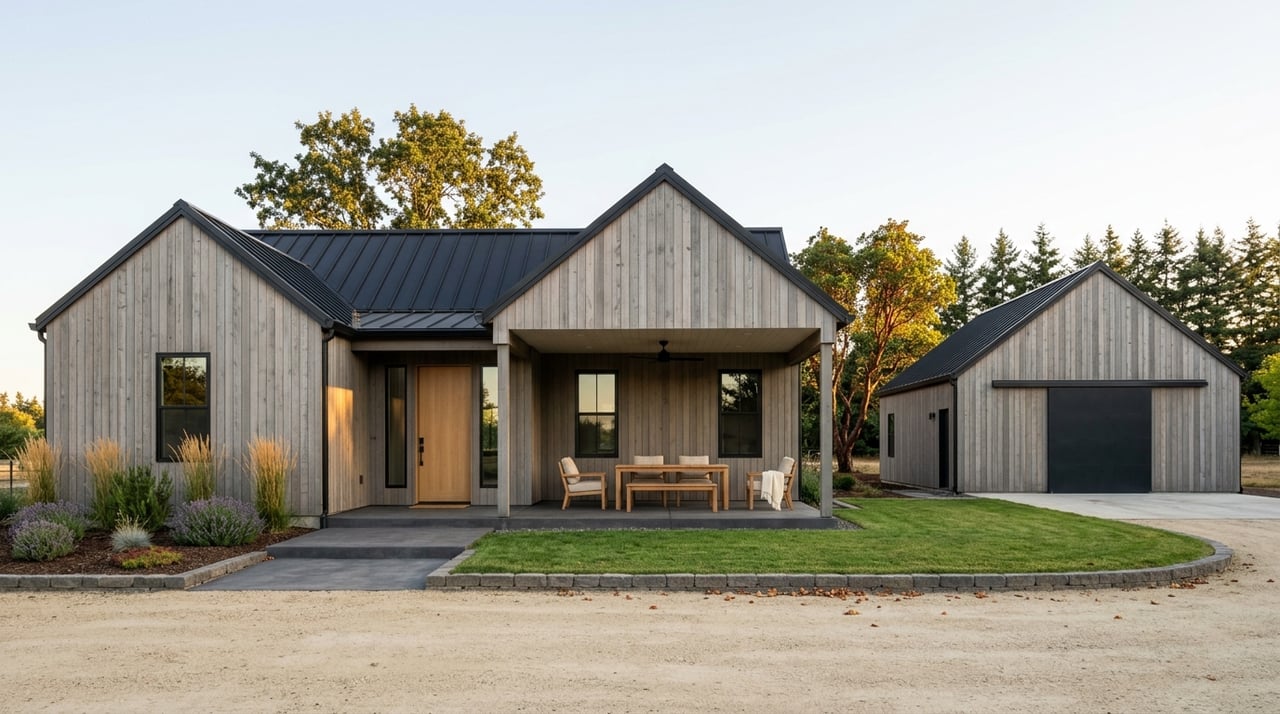
If you are selling a country home in Yamhill, staging is not just about fluffing pillows and clearing countertops. Buyers here are sizing up the full property experience, from the driveway and porch to the shop, barn, and outdoor living space. In a market where homes are still moving but price drops are common, thoughtful staging can help your property stand out, photograph better, and feel worth a stronger offer. Let’s dive in.
Why staging matters in Yamhill
Yamhill sits in the heart of Willamette Valley wine country, where rural character is part of the appeal. The area is shaped by agriculture, vineyards, orchards, and outdoor living, so buyers are often looking at more than the house itself. They are also paying attention to land use, views, utility, and how the property feels the moment they arrive.
That matters in today’s market. In March 2026, Yamhill County had a median sale price of $465,000, homes spent about 75 days on market according to Redfin, and 33.7% of homes had price drops. Realtor.com also reported about 60 days on market and a sale-to-list ratio near 100%, which suggests sellers still have opportunity, but presentation and pricing need to be sharp.
Staging helps buyers picture themselves in the property. The National Association of Realtors found that 83% of buyers’ agents said staging made it easier for buyers to visualize a home as their future home. The same report showed that photos, physical staging, videos, and virtual tours all play a major role in how buyers respond.
Start with the approach
For a Yamhill country property, the first impression starts well before the front door. Buyers often form an opinion at the gate, along the driveway, or as they pull up to the entry. If those spaces feel organized, accessible, and cared for, the entire property tends to feel more valuable.
A simple exterior reset can make a big difference. The Oregon State Fire Marshal recommends keeping driveways clear for emergency access, maintaining functional gates, and using reflective address signs visible from both directions. Those practical steps also help your property read as well-maintained during showings.
OSU Extension guidance on defensible space also supports a cleaner exterior presentation. Trimming dead growth, cleaning gutters, and removing clutter near the home can make the space feel more intentional. Firewood stacks, hoses, bins, and spare equipment should be tucked away so buyers focus on the home, not the extra stuff.
Exterior staging checklist
- Clear and edge the driveway
- Make sure gates open and close smoothly
- Clean the porch and front entry
- Trim overgrowth near the house
- Remove dead plants and yard debris
- Hide hoses, bins, tools, and equipment
- Clean gutters and tidy visible rooflines
- Make the address easy to spot from the road
Treat the land like a feature
In Yamhill, the land is part of the listing story. The Willamette Valley is known for wineries, farmland, and outdoor recreation, so buyers often expect acreage to add both beauty and function. Even if your property is modest in size, the outdoor space should feel readable and purposeful.
That does not mean overworking the landscape. It means mowing strategically, clearing paths, and showing the shape of the land in a clean and natural way. Buyers should be able to understand where outdoor living happens, where open use space begins, and how the property flows.
Seasonal timing matters too. Western Oregon has wet winters and dry summers, with much of the region’s rainfall falling from October through March. If you are listing in winter or spring, pay extra attention to mud, drainage, moss, and walkways. If you are listing in summer, use the longer daylight and greener views to show clean lines and open space.
Stage barns and shops with purpose
One of the biggest missed opportunities in rural listings is leaving outbuildings as catch-all storage. In Yamhill County, where agriculture and forest products play a major role in the local economy, a barn, shop, or equipment building can be a real value signal. Buyers want to see usable space, not confusion.
Start by removing excess items and sweeping the floors. Open doors, improve lighting, and define one or two clear use zones. A shop should look like a shop, a tack area should feel organized, and a hobby or work bay should read as functional at a glance.
You do not need to over-style these spaces. You just need to make them understandable. When buyers can quickly grasp what an outbuilding offers, they are more likely to remember it as an asset.
What buyers should see in outbuildings
- Clear floor space
- Good lighting
- Easy access points
- Obvious storage areas
- Defined work or hobby zones
- Minimal visual clutter
Focus on the rooms that matter most
When it comes to the home itself, your best return usually comes from the key living spaces. NAR’s 2025 Profile of Home Staging found that the most commonly staged rooms were the living room, primary bedroom, dining room, and kitchen. Those are the rooms buyers tend to notice first in photos and during showings.
In the living room, keep furniture simple and proportional so the room feels open. In the kitchen, clear counters and leave only a few useful or attractive items in view. In the primary bedroom, use neutral bedding and remove extra personal items so the space feels calm.
For a country home, practical spaces also matter. Mudrooms, laundry rooms, and entry areas should feel organized and easy to use. These spaces help buyers picture daily life on a rural property, especially if they are thinking about boots, coats, pets, or outdoor projects.
Interior staging priorities
Living room
Keep seating balanced, simplify decor, and let natural light do the work. Clean windows and bright lamps can help the room feel fresh in both photos and in person.
Kitchen
Clear off small appliances where possible and keep surfaces open. Buyers want to see workspace, storage, and flow.
Primary bedroom
Use clean, neutral bedding and reduce furniture if the room feels tight. The goal is a restful, spacious look.
Dining room
Keep the table simple and scaled to the room. Too many chairs or decorative pieces can make the space feel crowded.
Mudroom and laundry
Add order, not decoration. Baskets, hooks, and clean surfaces can help these areas feel practical and polished.
Get camera-ready before you list
Online presentation matters as much as in-person presentation. According to NAR, buyers’ agents ranked photos as the most important staging-related media, followed by physical staging, videos, and virtual tours. That means your home should be fully ready before the first shoot, not halfway there.
For a Yamhill acreage property, the media sequence should tell a clear story. Buyers should be able to understand the home, the land, the outbuildings, and the outdoor living areas without guessing. This is especially important for buyers coming from outside the immediate area who may decide whether to visit based on the listing media alone.
A strong visual plan usually starts with the approach, then moves into the main living spaces, then out to the land and utility features. When the story feels clear, the property feels easier to value.
Budget your effort where it counts
You do not need to stage every inch of a country property equally. NAR’s 2025 survey found a median spend of $1,500 when sellers used a staging service and $500 when sellers’ agents staged the home themselves. That supports a focused strategy.
Put your time and budget into the spaces that shape the first impression. For most Yamhill sellers, that means the driveway, front entry, living room, kitchen, primary bedroom, major outdoor living spaces, and any outbuilding that adds obvious value. Those areas do the heavy lifting.
Avoid common staging mistakes
The biggest mistake with a Yamhill country home is staging only the house and ignoring the rest of the property. If the interior looks polished but the acreage, driveway, or shop feels cluttered, buyers may assume the property has not been fully cared for. That disconnect can weaken confidence.
Another mistake is trying to show too much. Too many vehicles, tools, decor items, or personal collections can make it harder for buyers to read the property clearly. The goal is not to erase character. It is to make the property feel intentional, useful, and easy to imagine living in.
A simple Yamhill staging timeline
If you want the best result, start earlier than you think. A practical timeline is to begin decluttering, repairing, and organizing three to twelve months before listing. Then complete final yard work, outbuilding cleanup, and photography prep right before the home goes live.
That timing matters in a market where homes can take around two months or more to sell. Your first impression still carries a lot of weight. The stronger your launch, the better your chances of attracting serious buyers early.
A well-staged Yamhill country home does not need to look overly polished or suburban. It needs to feel clean, readable, and cared for, with a clear story from the road to the back fence. When buyers can quickly understand the lifestyle, utility, and condition of the property, you put yourself in a stronger position to sell with confidence.
If you are preparing to sell a home in Yamhill or anywhere in the Willamette Valley, Chandler Willcuts brings white-glove service, local market knowledge, and tailored marketing strategy to help your property show at its best.
FAQs
What rooms matter most when staging a Yamhill country home?
- The top priorities are usually the living room, primary bedroom, kitchen, and dining room, since those are the spaces buyers and agents pay the most attention to in photos and showings.
How should you stage barns and shops on a Yamhill property?
- Clean them out, improve lighting, open access points, and create clear use zones so buyers can quickly understand how the space functions.
Why is outdoor staging important for Yamhill acreage homes?
- In Yamhill, buyers often see the land, views, and utility spaces as part of the property’s value, so the driveway, yard, paths, and outdoor living areas should feel maintained and easy to read.
How much should you budget for home staging before selling in Yamhill?
- NAR’s 2025 survey found a median spend of $1,500 for sellers using a staging service and $500 when agents staged the home themselves, so many sellers benefit from focusing spending on the highest-impact spaces.
When should you start staging a country home in Yamhill?
- A smart timeline is to begin decluttering, repairs, and organization three to twelve months before listing, then finish yard work and final prep just before photography and launch.